
AFP, Geneva; The United Nations yesterday warned the world to prepare for the effects of El Nino, saying the weather phenomenon which triggers higher global temperatures is set to persist throughout 2023.
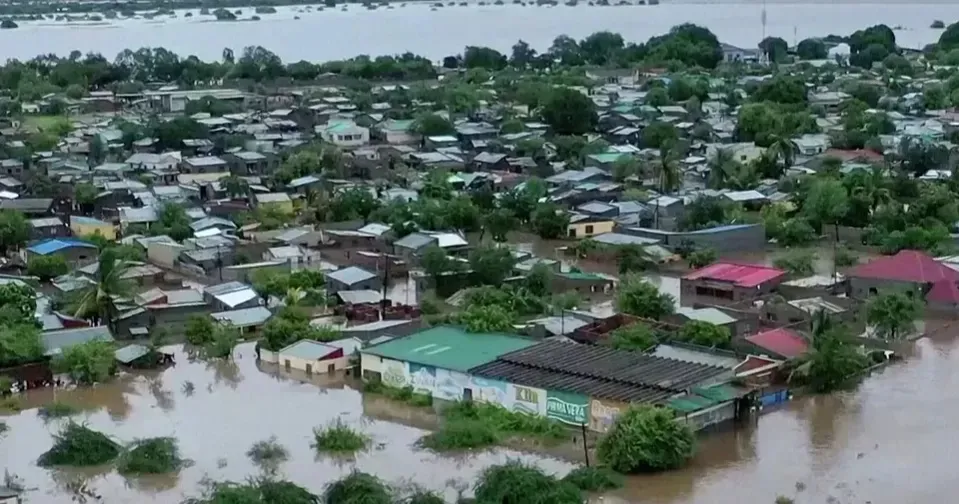
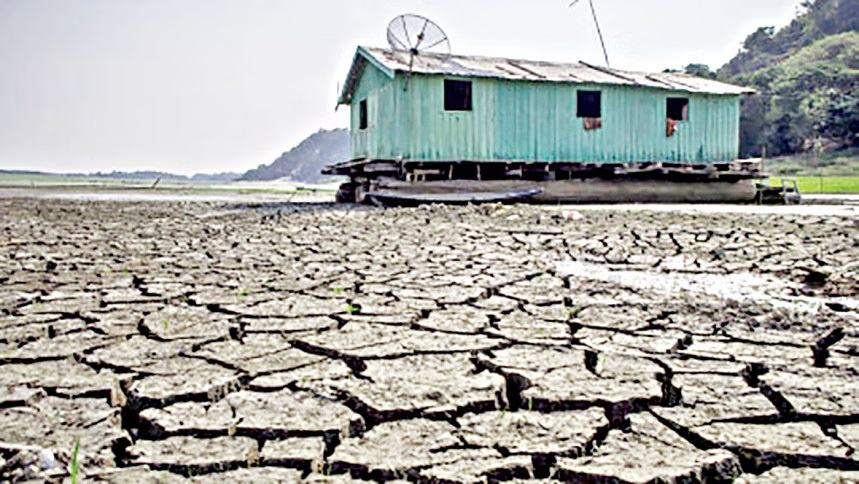
El Nino is a naturally occurring climate pattern typically associated with increased heat worldwide, as well as drought in some parts of the world and heavy rains elsewhere.
The phenomenon occurs on average every two to seven years, and episodes typically last nine to 12 months.
The UN's World Meteorological Organization declared El Nino was already under way and said there was a 90-percent chance that it would continue during the second half of 2023.
"The onset of El Nino will greatly increase the likelihood of breaking temperature records and triggering more extreme heat in many parts of the world and in the ocean," warned WMO secretary-general Petteri Taalas.
"The declaration of an El Nino by WMO is the signal to governments around the world to mobilise preparations to limit the impacts on our health, our ecosystems and our economies," said Taalas.
"Early warnings and anticipatory action of extreme weather events associated with this major climate phenomenon are vital to save lives and livelihoods."
The US National Oceanic and Atmospheric Administration, which feeds into the WMO, announced on June 8 that El Nino had arrived.
"It is expected to be at least of moderate strength," the WMO said.
It noted that El Nino's warming effect on global temperatures is felt most strongly within a year of its onset -- in this case in 2024.
El Nino is the large-scale warming of surface temperatures in the central and eastern equatorial Pacific Ocean.
Conditions oscillate between El Nino and its generally cooling opposite La Nina, with neutral conditions in between.
El Nino events are typically associated with increased rainfall in parts of southern South America, southern US, Horn of Africa and central Asia.