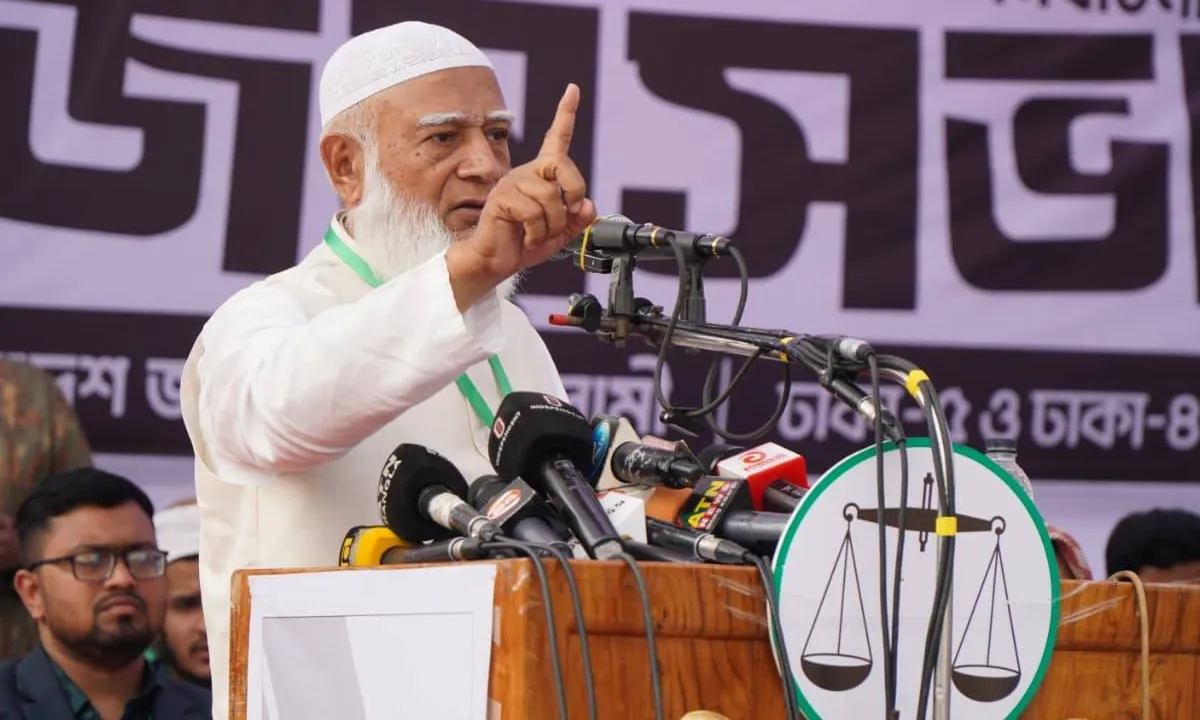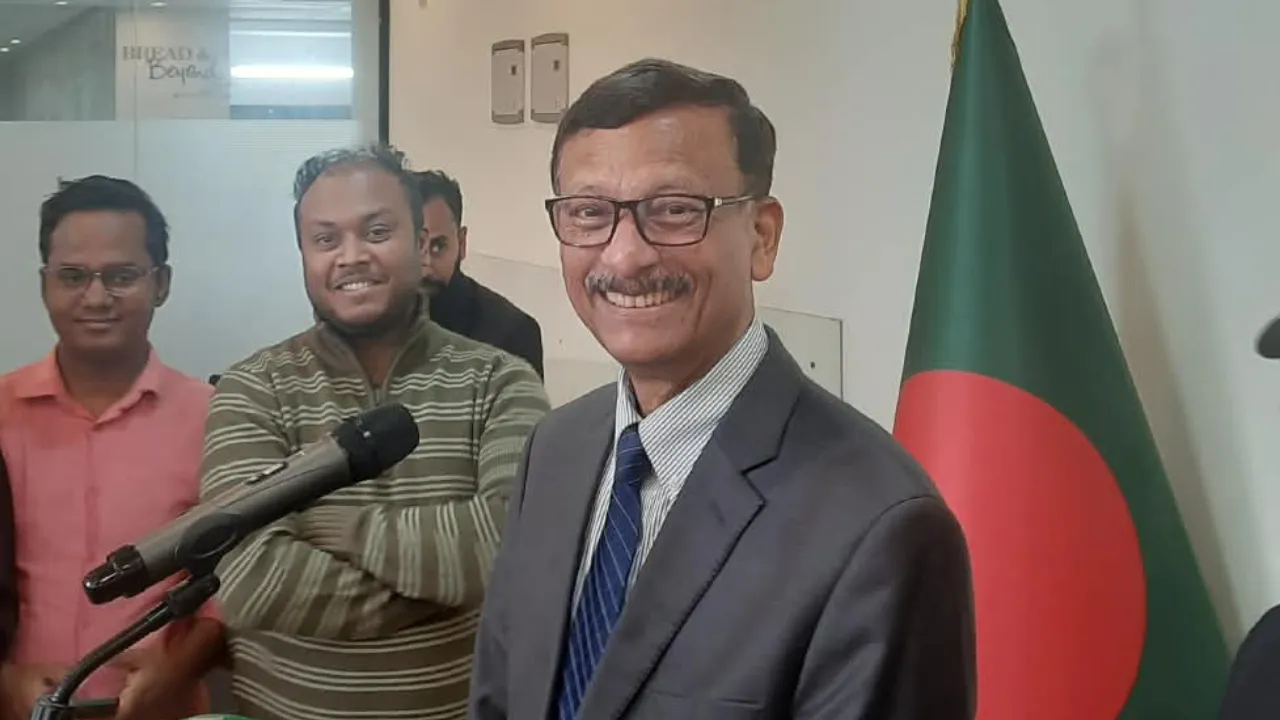


Dhaka Chamber of Commerce and Industry president Ashraf Ahmed on Saturday played down declining foreign exchange reserves, growing non-performing loans and high inflation, adding that those were not big challenges for the country.
The newly elected DCCI president at a press conference held at the auditorium of the trade body said that the fundamental driver for the country’s growth remained unchanged for the past 15 years but the external environment created some pressure on the economy.
Ashraf opined that there was a misunderstanding regarding the forex reserve crisis as a country needed reserve equivalent to make import payments for 2.5 months, but Bangladesh had enough reserves to meet the import demand for 3 to 3.5 months.
Regarding NPLs, Ashraf said that considering the increase of assets in the banking sector, the NPL had not increased in the country in the past 15 years.
He said that the assets of the banking sector increased five times in the past 15 years and the NPL increased nearly 4.5 times.
Considering the assets of the banking sector, the existing NPL is not so high in the country, Ashraf said.
The DCCI president said that inflation increased all over the world due to global reasons and hopefully the monetary policy statement of the Bangladesh Bank would be effective to ease the inflation in the country.
He said that the inflation in Europe and the United Kingdom increased to 9 per cent from 3 per cent and in Bangladesh it increased to 10% from 6%.
"If we consider the global scenario, the effect of inflation in Bangladesh was less than that in the European countries," Ashraf said.
"We have faced the reserve crisis, NPL and inflation earlier and these issues are not insurmountable," the DCCI president said.
Regarding the capital market, he said that there were some issues in the market but it was going in the right direction, he said.
The DCCI president, however, said that Bangladesh was passing through a few challenges like inflation, NPL, forex reserve, financial market volatility, balance of payment and depreciation of the Taka, but the country had the ability to overcome these economic challenges as soon as possible.
Regarding the energy crisis, he said that closure of manufacturing industries due to lack of power and energy had been negatively impacting economic capacity.
"We have no option but to import energy as the reserve of our natural gas has declined. If the government needed to increase the price of energy due to it being imported from the international market, businesses would have to accept the increased price," Ashraf added.