

What was once dismissed as technical support for directors is now being recognized as an essential creative force. As someone who transitioned from studying architecture at BUET to committing full-time to the craft of cinematography, I've had the privilege of witnessing-and contributing to-this shift. And I can say with confidence: our golden age is just beginning.
Choosing cinematography over architecture was not an easy decision. In fact, it felt like an act of rebellion at the time. I remember the bewildered expressions on people's faces when they heard about my decision. "How could you throw away a BUET education to become a cameraman?" they asked. The term "cameraman" was used loosely and often dismissively, lumping all visual professionals-from wedding videographers to television news shooters-into one box. The nuance, intellect, and artistry of cinematography were barely recognized.
In those early years, foreign cinematographers were routinely brought in for high-end TV commercials, feature films, and complex productions. The prevailing belief was that local talent simply couldn't match the technical skills or creative standards of the global industry. It was disheartening, but also deeply motivating. Many of us knew we had to prove our worth, not just with talent, but with persistence, learning, and excellence.
We worked with limited gear, minimal budgets, and little appreciation. But we kept going. We studied films. We learned to shape light. We made mistakes and learned from them. Slowly, things started to change. Directors began trusting our vision. Producers began relying on our technical knowledge. And gradually, audiences started noticing something different about how stories were being told visually.
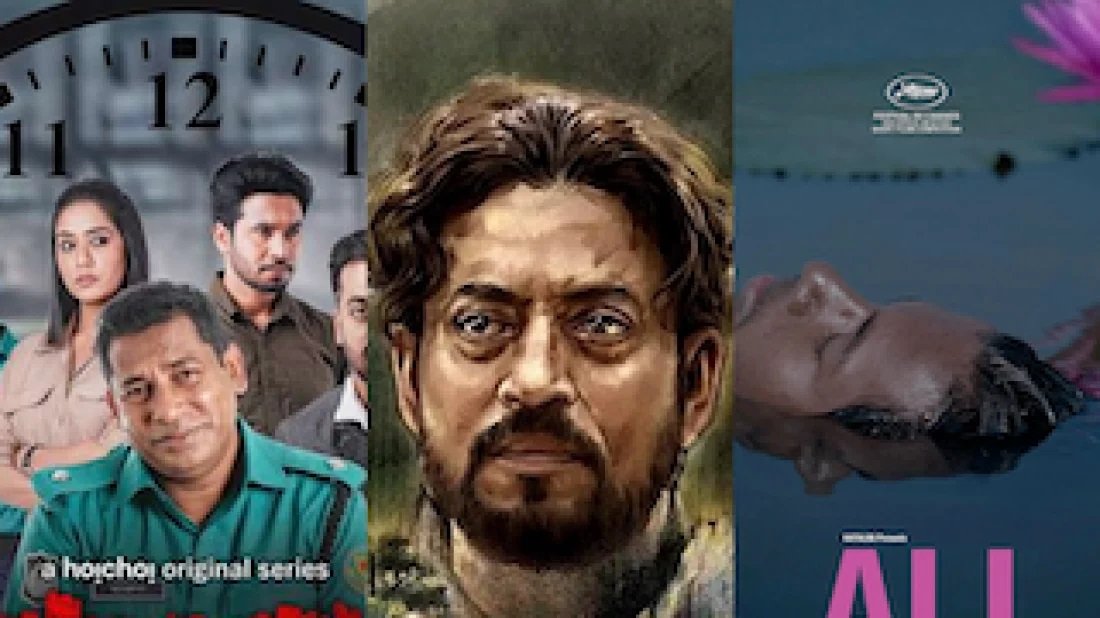
Today, the narrative has turned a corner. Bangladeshi cinematographers are no longer just catching up-we are creating our own language of images. Our frames are telling stories that resonate beyond our borders. Web series like Mohanagar, feature films like Doob and No Land's Man, and international collaborations are now setting new standards for visual storytelling in South Asia. Cinematographers are finally being recognized not only as technicians but as key creative minds behind a production.
A recent milestone illustrates just how far we've come: Kamrul Hasan Khosru's work being showcased at the Cannes Film Festival and winning recognition. It's a historic achievement, not only for him but for the entire Bangladeshi cinematography community. His success signals that we are ready to take our place on the world stage-not just as an exception, but as a wave.
Yet, the road ahead is not without hurdles. Many of us still operate under tight constraints-financial, logistical, and cultural. We often have to make magic with outdated equipment and shrinking budgets. We may not always get the credit we deserve. But what we do have is passion. We understand that every shot, every frame, has the power to move people, to change perspectives, and to preserve culture.
What fills me with hope is the next generation. Young cinematographers are emerging with incredible talent and even greater curiosity. They are learning not just from film schools or masterclasses, but from the world. They are watching, analyzing, experimenting. They are fearless, and they are not waiting for permission. With platforms like Chorki, Bongo, and global OTT services now accessible to us, they have more avenues to showcase their work and tell their stories.
Our task now is to support them-to mentor, to advocate, and to pave the way so that their dreams can travel further than ours ever did. The ecosystem around cinematography in Bangladesh is growing stronger. From local guilds to international societies, from grassroots workshops to global awards, we are entering an era of possibility.
My dream is to see Bangladeshi cinematographers win at Cannes, Berlinale, Sundance, and the Oscars-not as supporting crew, but as lead visual storytellers. We've already proven we have the talent. Now we must continue to refine our craft, push creative boundaries, and believe in our ability to be global trailblazers.
We may be a small country with limited resources, but we possess something far more powerful: an unrelenting desire to tell our stories beautifully, honestly, and powerfully. Our vision is big-and it's only just beginning to be seen.


