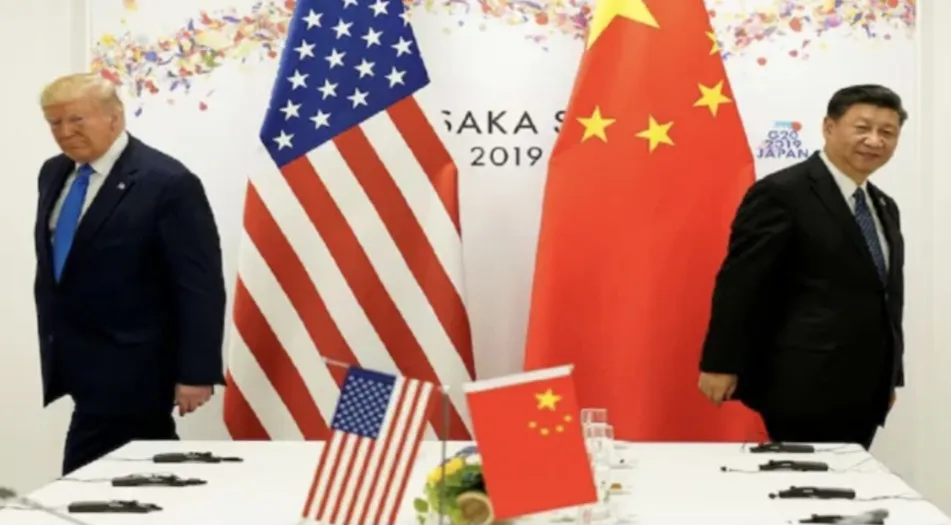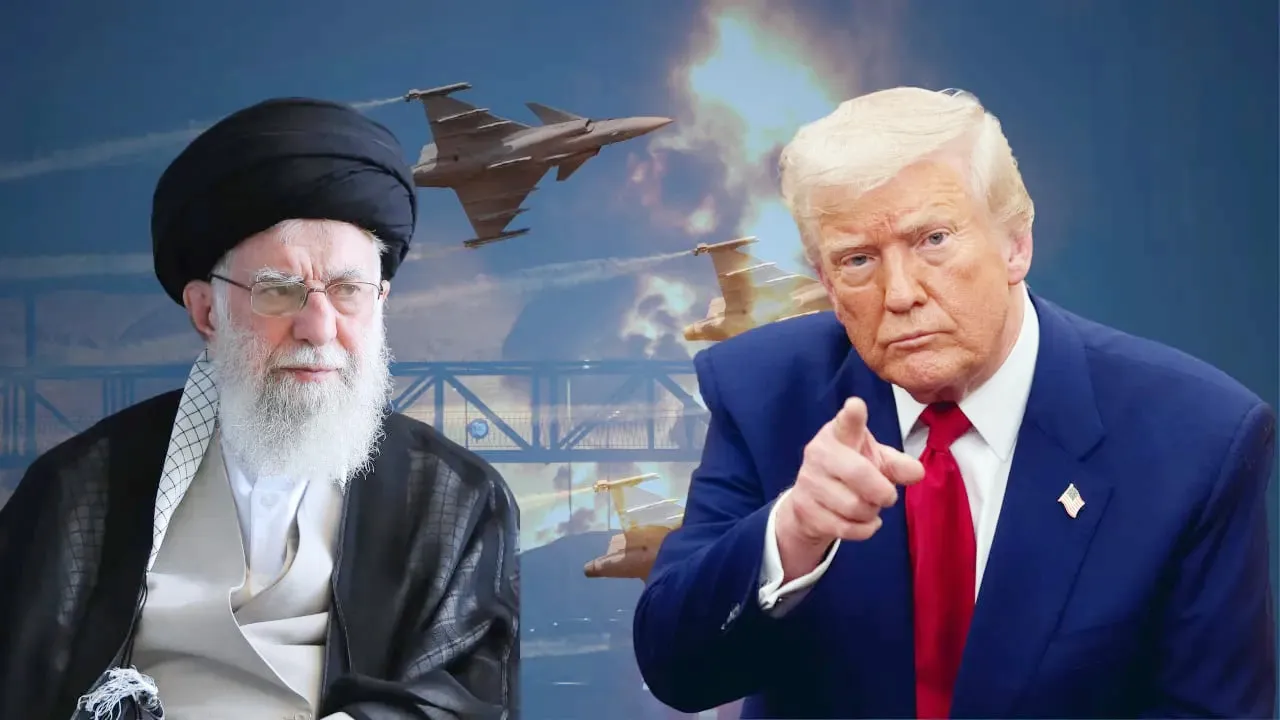

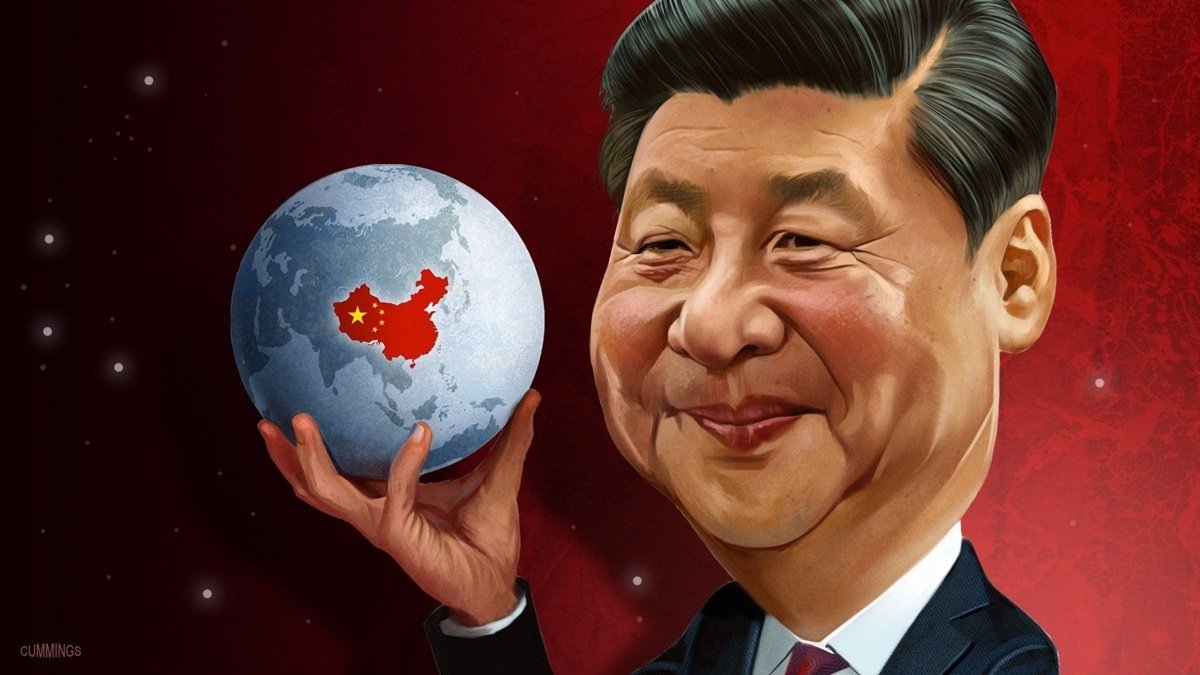
Despite concerns that America's withdrawal from its traditional international roles is a step toward China's rise, the question remains: Is Trump simply tweaking U.S. policy, or is he dismantling the U.S.-led global order in favor of a new era of Chinese dominance?
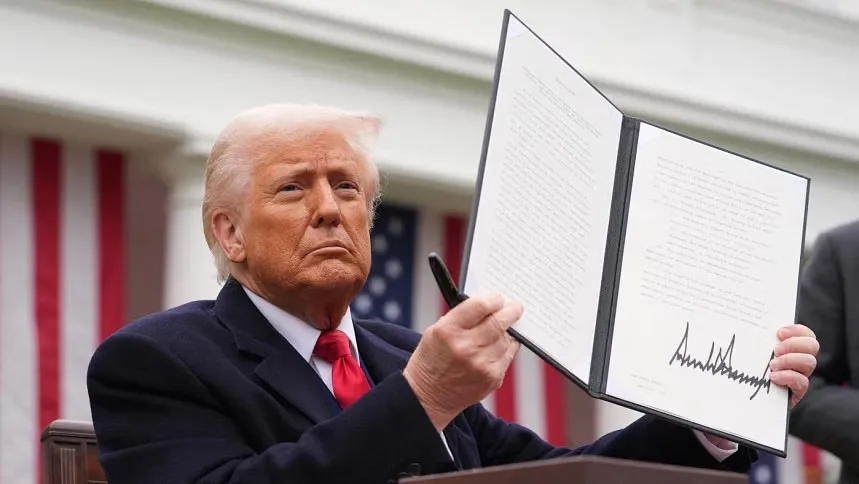
Trump's foreign policy decisions have been striking. He has upended longstanding international norms, attacking global trade systems, slashing contributions to the United Nations, reducing foreign aid, and even clashing with traditional allies. These moves have raised doubts about the future of NATO and other U.S.-led alliances. Furthermore, by weakening key American institutions, including universities and research centers, Trump risks diminishing the power base that has underpinned America's global influence for decades.
The debate over the shifting balance of power between China and the U.S. is not new. China's economic reforms since the 1980s, as well as influential works like Paul Kennedy's The Rise and Fall of the Great Powers (1987) and William Overholt's analyses in the 1990s, have pointed to this inevitable shift. But despite China's remarkable economic growth during the 1990s and 2000s, America's superpower status remained unchallenged, largely due to Washington's continued leadership and advocacy for liberal internationalism.
The global financial crisis of 2008 marked a turning point in this dynamic. While Western countries struggled to recover, China seized the opportunity to assert its economic model. The "Beijing Consensus," a state-controlled capitalist system, gained traction as a viable alternative to Western liberal economics. As Western confidence waned, China’s own confidence surged, with growing international discussions about the shift in global power.
In 2009, Martin Jacques' book When China Rules the World captured the changing sentiment, arguing that Western dominance was nearing its end and that China was poised to build a new global order. This marked the beginning of a more assertive Chinese foreign policy, driven by the growing self-assurance within the Chinese Communist Party, particularly after the 2008 crisis.
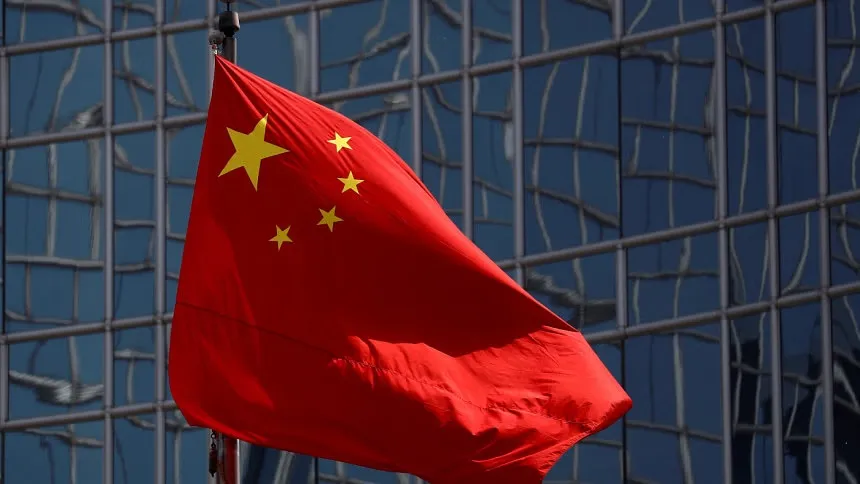
In 2017, the Sino-U.S. power balance entered a new phase. Chinese President Xi Jinping, shortly after Trump's inauguration, outlined a strategic shift for China. At a National Security Work Forum, Xi declared that China would no longer adopt a low-profile stance on the world stage, a departure from the policies of Deng Xiaoping in the 1990s. Xi's vision for a more proactive and leadership-driven China was further solidified at the 19th Congress of the Chinese Communist Party.
By the end of 2017, Beijing had embraced its new identity: no longer merely a developing nation, but a superpower competing with the United States. This shift has led to renewed discussions of a "two-polar world," with the U.S. and China at the center of global affairs.
Looking ahead to 2025, as Trump returns to the White House, critics are already describing his "America First" policy as a strategic boon for China's rise. In contrast to his previous term, when Trump refrained from overtly challenging American global leadership, his current policies suggest a more radical shift. Trump’s efforts to dismantle long-standing foreign policies could further tilt the balance of global power in China's favor.
While China’s leadership is not yet fully cemented, the current momentum in Beijing suggests that the world is witnessing a significant realignment. Whether or not China is ready to assume global leadership remains to be seen, but the shifting tides of international relations are undeniably in motion.