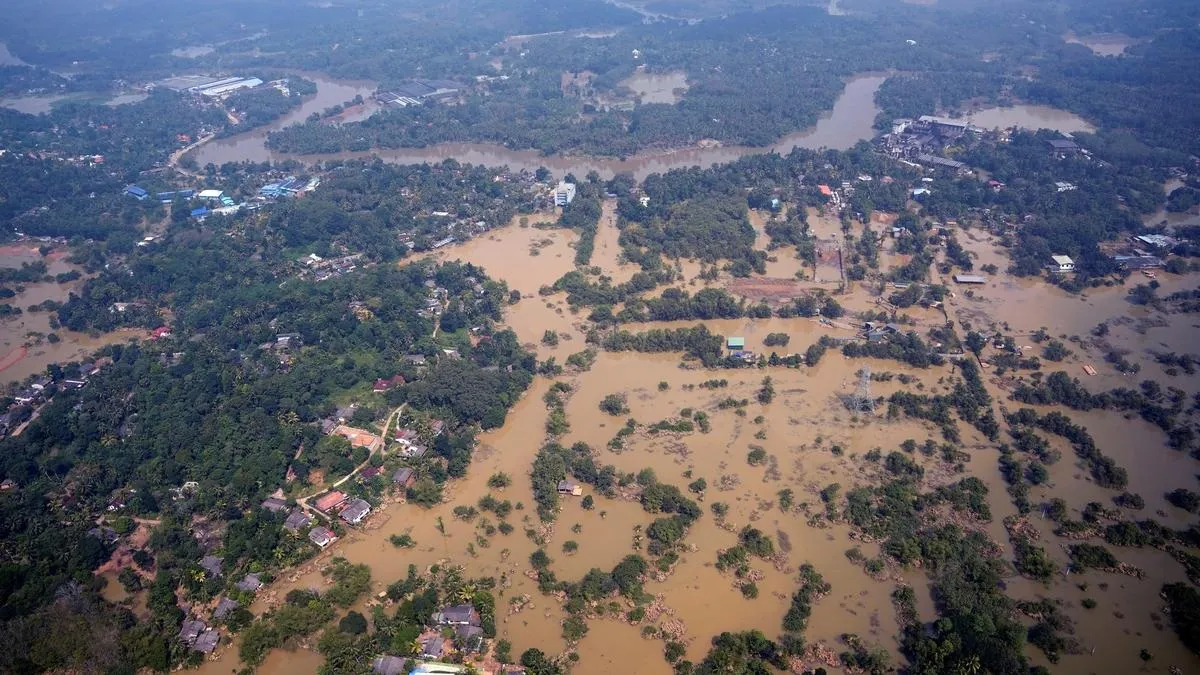

Most of the victims were residents of the tea-growing region of Badulla in central Sri Lanka, where a hillside collapsed overnight and buried several houses. The DMC said 21 people were killed in that single incident. Four more people died in a similar landslide in the Nuwara Eliya district, while the remaining casualties were reported from other parts of the country.
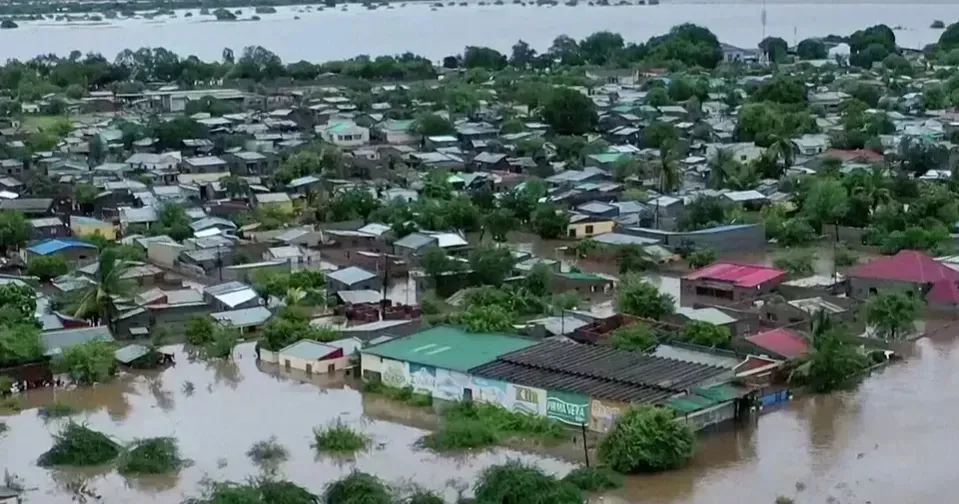
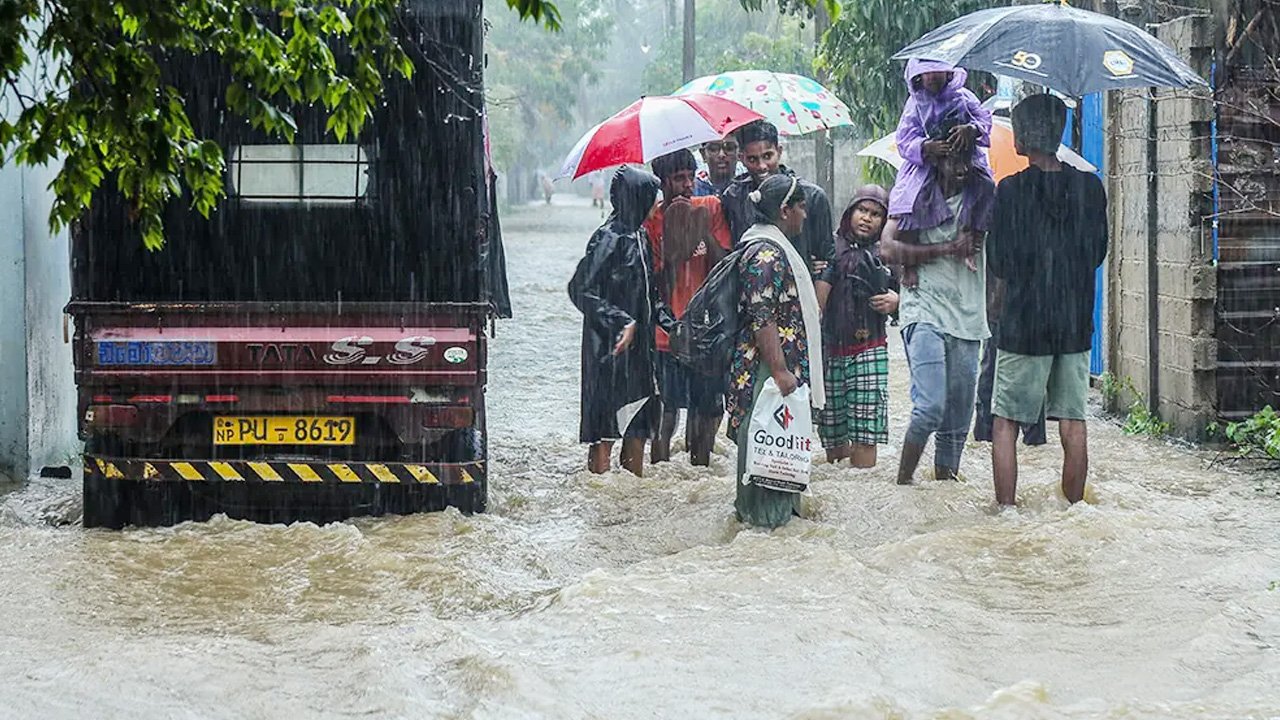
According to the DMC, over 425 houses have been damaged in mudslides, and nearly 1,800 families have been evacuated to temporary shelters. Water levels are rising in major rivers, prompting authorities to warn residents in low-lying areas to move to safer ground.
Sri Lanka is currently in the northeast monsoon season, but officials say the rainfall has intensified due to a low-pressure area located east of the island.
Floods in Malaysia
Severe weather has also disrupted normal life in neighboring Malaysia. The Malaysian government has postponed the country's final school examinations for two days due to heavy rainfall. Lawmakers have been instructed to return to their constituencies to help assess and address the damage. The budget debate in Sri Lanka’s parliament has also been postponed as a result of the ongoing crisis.
Weather forecasts indicate more than 100 millimeters of rain in various regions of Sri Lanka, with some areas in the northeast expected to receive up to 250 millimeters on Thursday.
The DMC noted that this week’s death toll is the highest since June last year, when 26 people were killed in heavy rains. In December, floods and landslides claimed 17 more lives.
Sri Lanka suffered its worst flood of the century in June 2003, when 254 people lost their lives—the highest number ever recorded in a single flood event in the country.
While monsoon rains are vital for irrigation and hydroelectric power, experts warn that the frequency and severity of flooding in Sri Lanka may increase due to climate change.
Source: AFP