
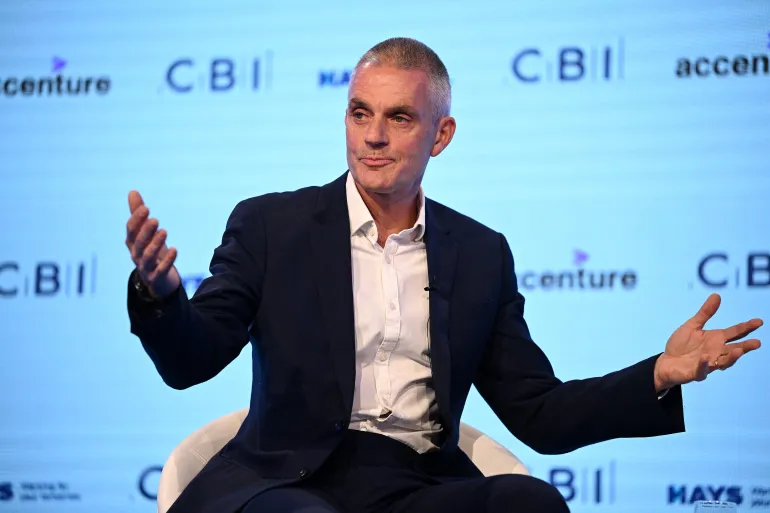
BBC director Tim Davey announced his resignation on Sunday after the media outlet's embarrassing stance over the manipulation of words in President Donald Trump's speech in a documentary broadcast ahead of the recent US presidential election.
News executive Deborah Torrance also resigned over the same crisis.
The documentary, which aired on BBC Panorama, has been accused of misleading viewers, including by modifying a speech by President Trump.
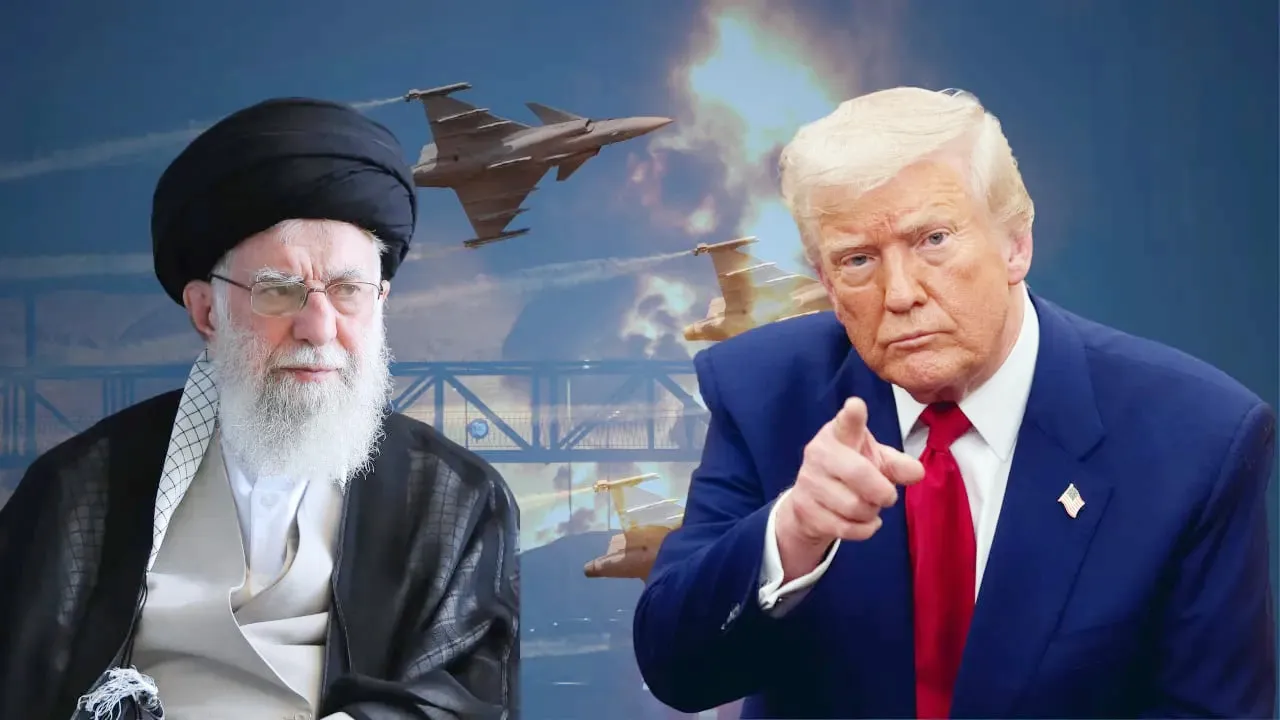
On Sunday, Trump posted further criticism on the social media platform Truth, saying: "All the top leadership at the BBC, including the director, Tim Davey, are resigning or being sacked, they have been convicted of misrepresenting my brilliant speech on January 6, and thank you to the Telegraph for exposing these corrupt journalists."
The Telegraph newspaper published an investigation detailing a leaked internal memo from the BBC, suggesting that the programme simultaneously edited two segments of Trump's speech to make the overall speech appear to be explicitly encouraging the riots that took place at the US Capitol in January 2021.
Trump's speech in Washington, D.C., on January 6, 2021, read, "We will go to the Capitol, and we will encourage the brave senators and representatives."
After Trump's speech was modified, a clip was broadcast on the BBC's programme of him saying: "We will go to the Capitol and I will be there with you and we will fight, we will fight fiercely."
"Like all public institutions, the BBC is not perfect and we must always be open, transparent and accountable," Davey said in a statement posted on the network's website.
"While it is not the only reason, the current controversy over BBC News contributed to this decision, and I must take responsibility."
British Minister for Culture, Media and Sport Lisa Nandy thanked Davey in a post on her X platform.
The BBC also promised a "full response" to the House of Commons Culture, Media and Sport Committee on Monday.
The BBC is funded by a fee paid by citizens and residents of the UK once they have a means of receiving public transmission, such as television.
Earlier this year, the BBC issued several apologies for "serious flaws" in the production of another documentary, Gaza: How to Survive in a War Zone, which aired in February.
It is noteworthy that the BBC decided about two months ago to cancel the contract of Egyptian journalist Mohamed Shalaby, and prevent him from entering the commission's building immediately, after he objected in internal correspondence to a report by the commission linking the martyr Anas al-Sharif of Al Jazeera correspondent to the Hamas movement, and expressed his opinion on social media.
The BBC has come under heavy criticism over the past two years for its bias in covering the war on Gaza.