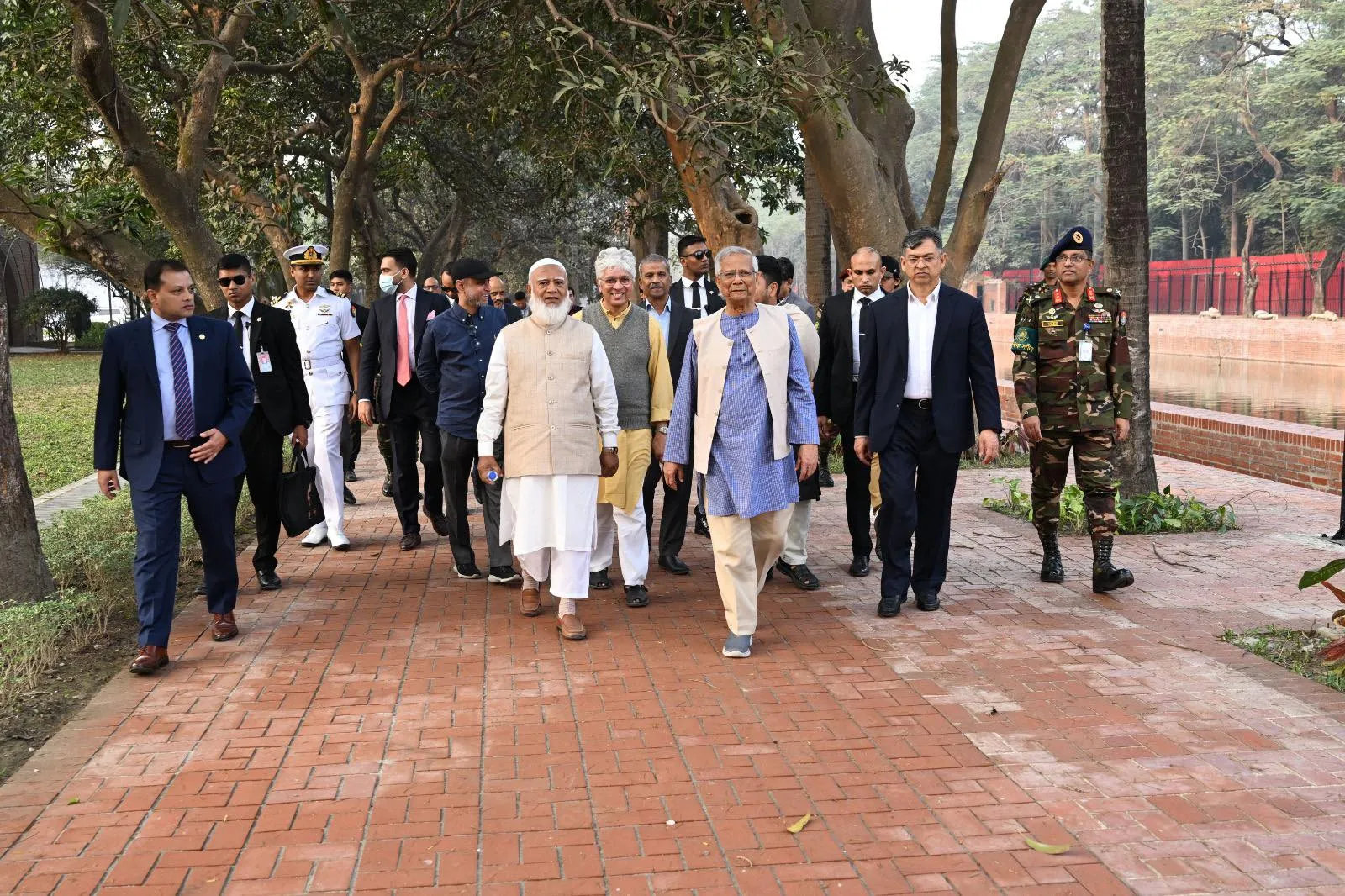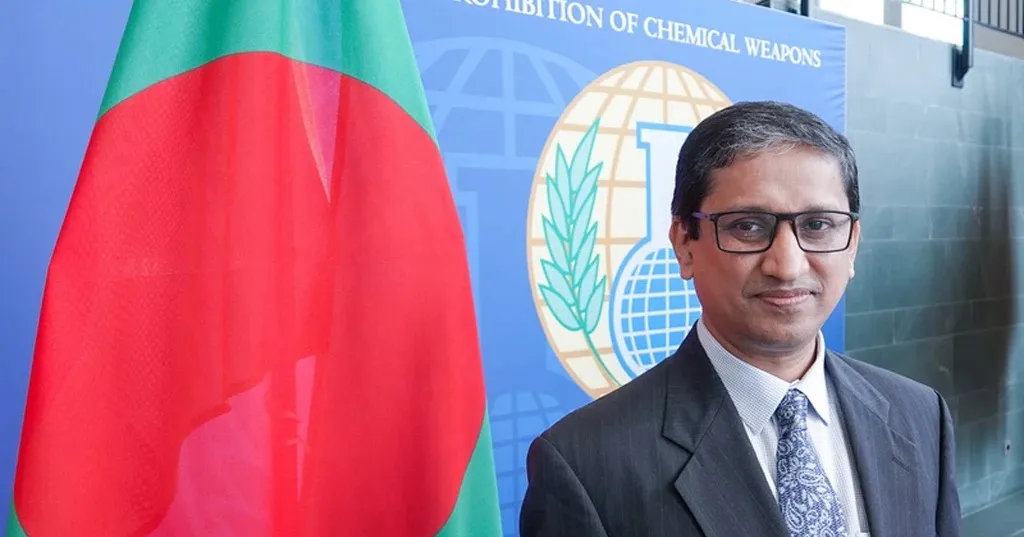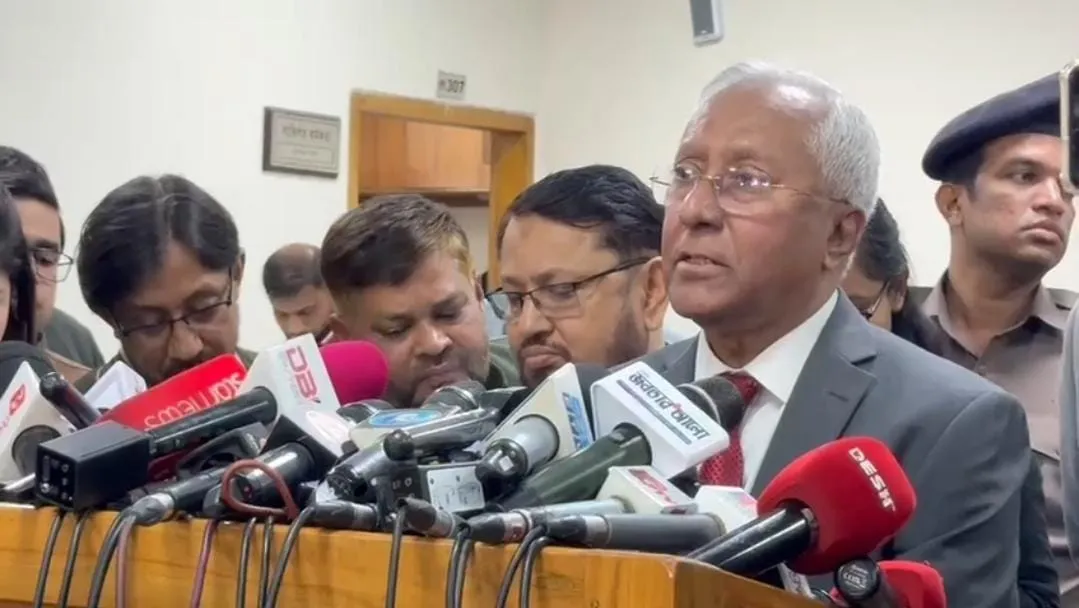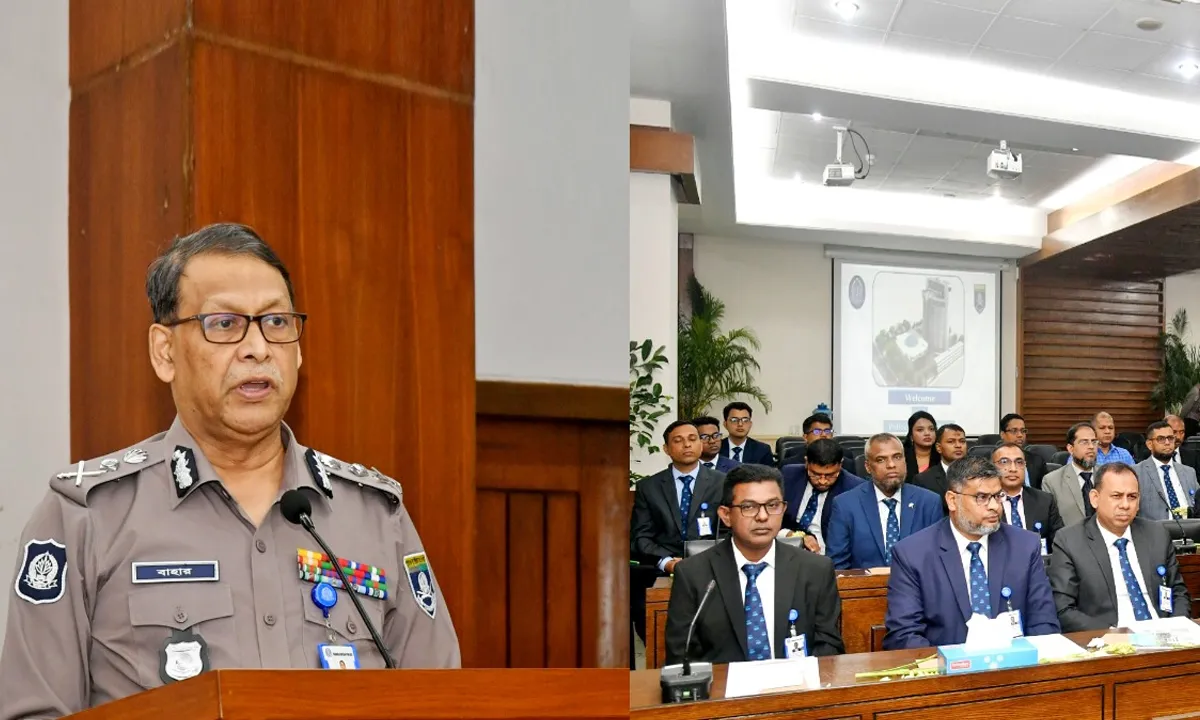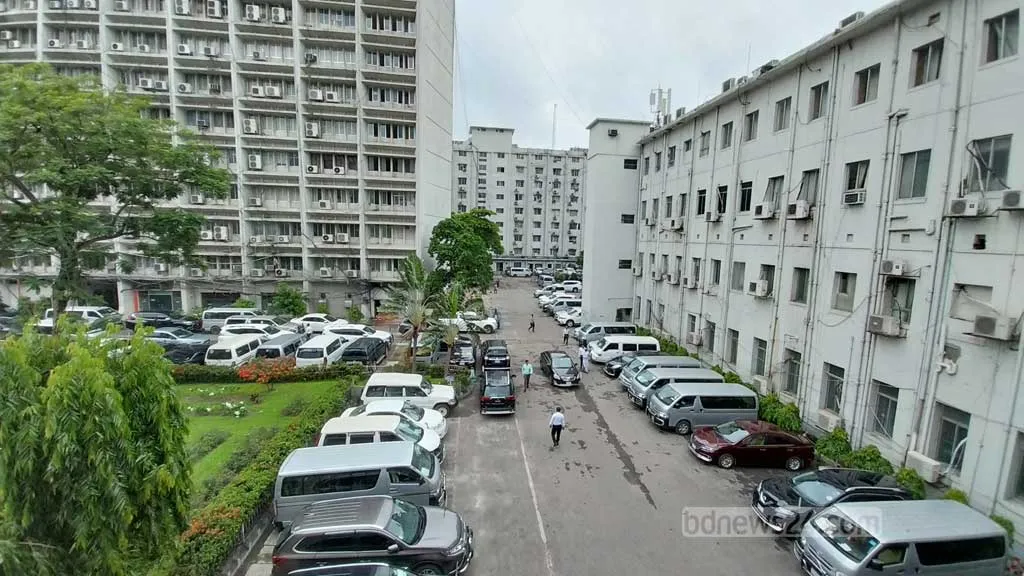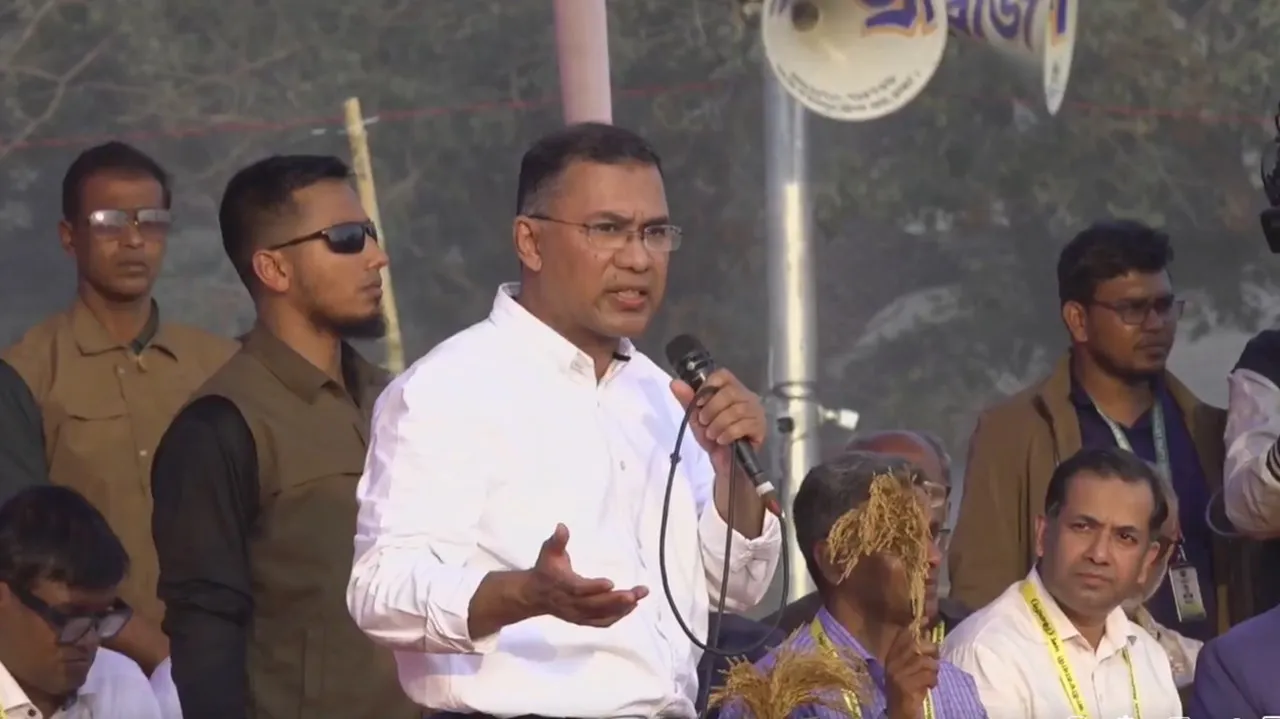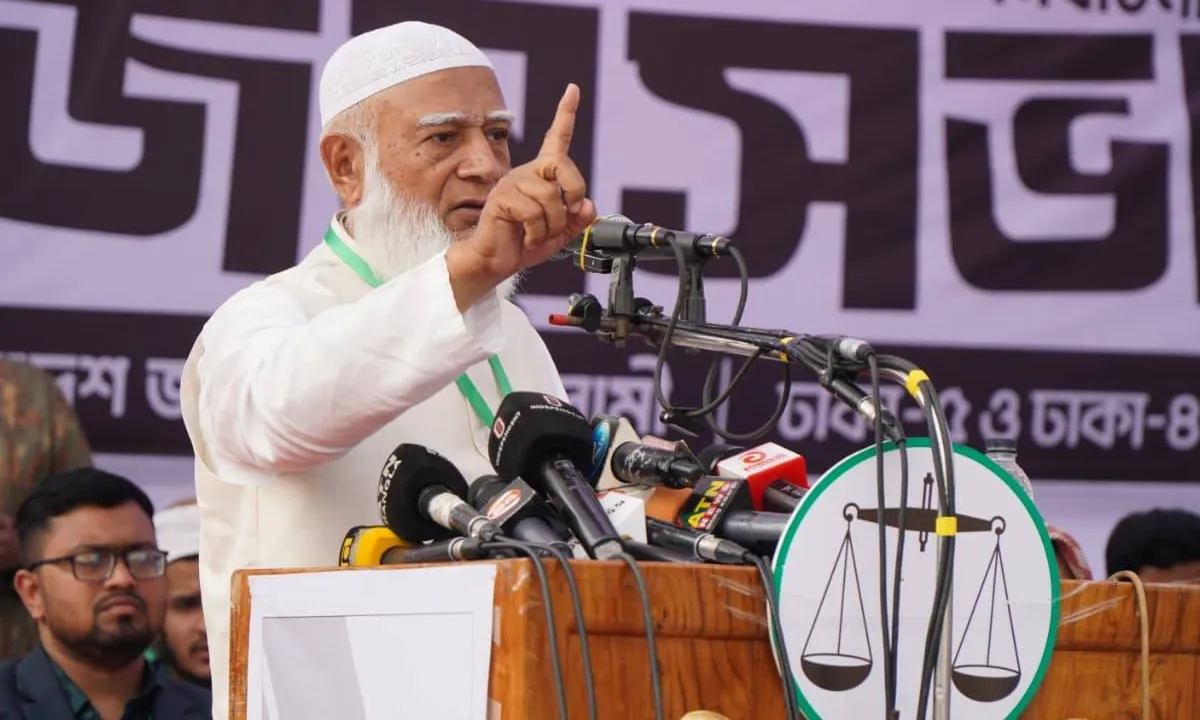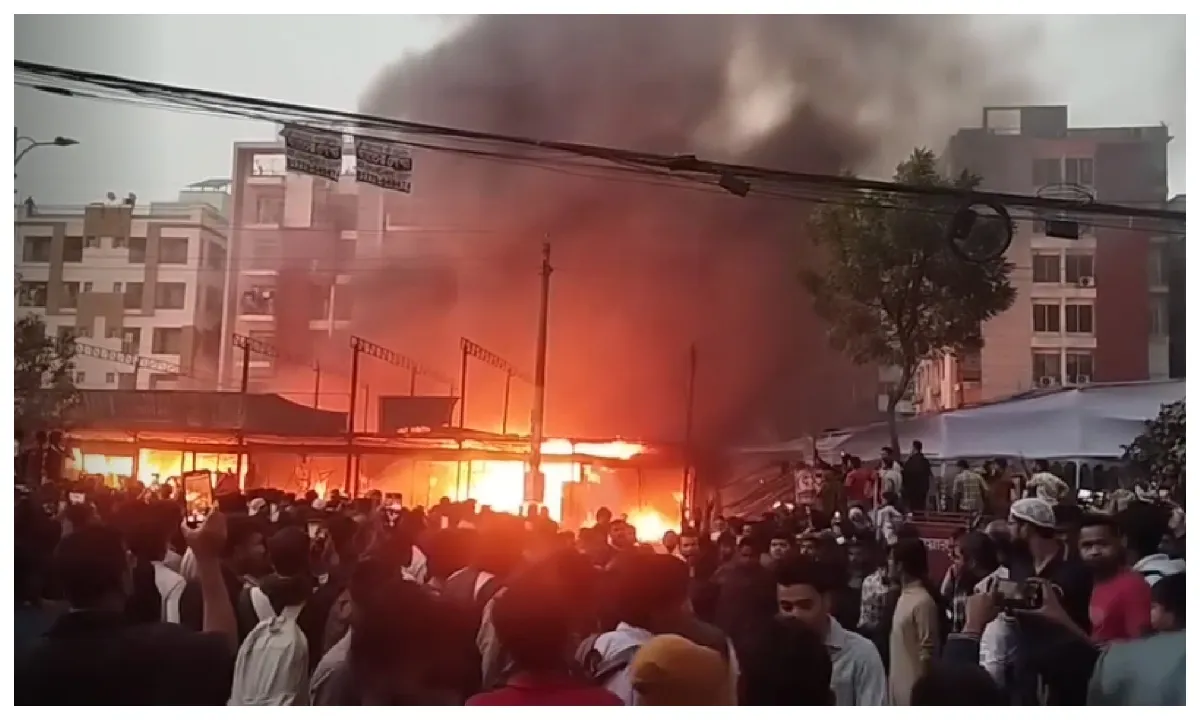

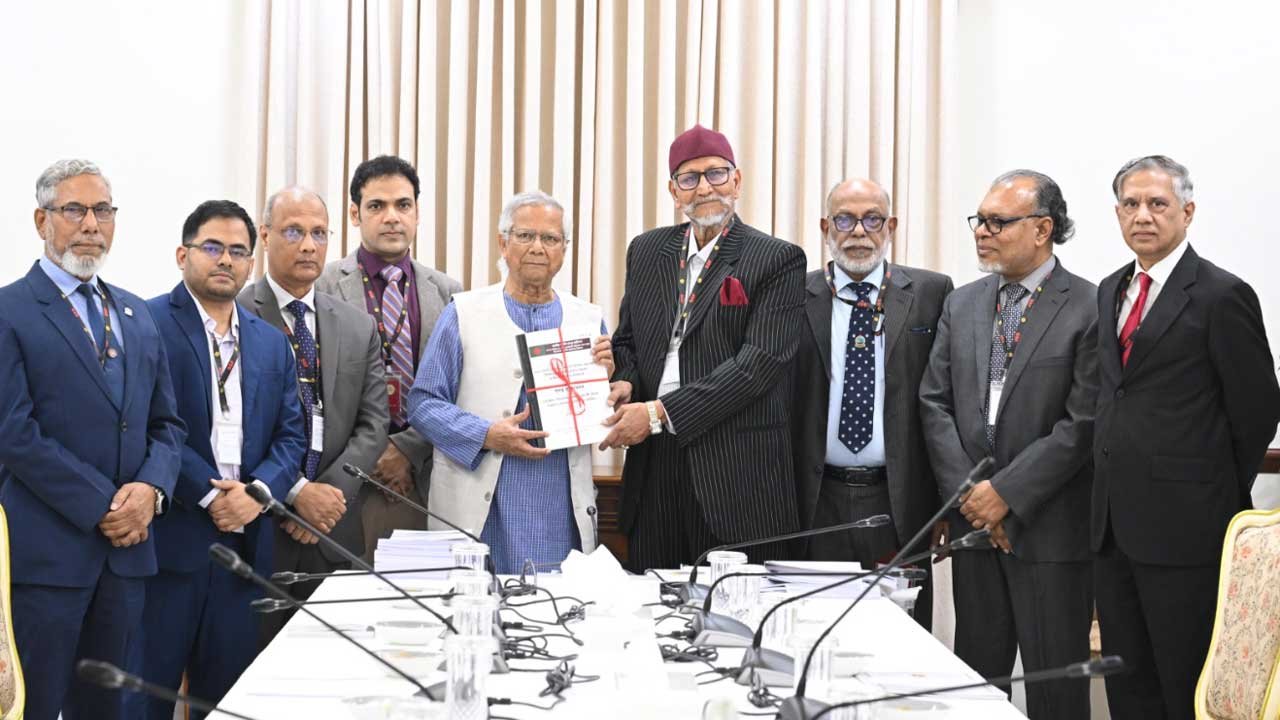
On Sunday (November 30), the commission’s chair, Major General (retd.) ALM Fazlur Rahman, along with other members, handed over the report at the state guest house Jamuna. The commission members include Major General Md. Jahangir Kabir Talukder (retd.), Brigadier General Md. Saidur Rahman Bir Pratik (retd.), Munshi Alauddin Al Azad (Joint Secretary, retd.), Dr. M. Akbar Ali (DIG, retd.), Dhaka University Associate Professor Md. Shariful Islam, and Jagannath University Assistant Professor Md. Shahnewaz Khan Chandan.
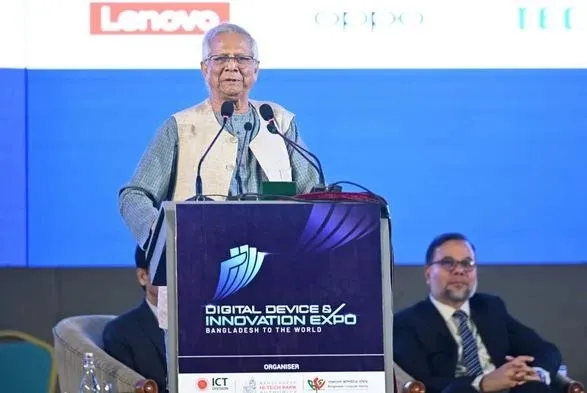
Receiving the report, Chief Advisor Muhammad Yunus said the country had long remained in the dark about the BDR killings.
“The nation will remember the role you played in uncovering the truth. On behalf of the nation, I thank you,” he said.
He added that the investigation would help resolve lingering questions surrounding one of the most horrific events in the nation’s history. “There are many lessons to be learned from this report. It will be a valuable asset for the nation.”
Commission head Fazlur Rahman said the inquiry was conducted with the highest level of professionalism to ensure a fair, impartial and error-free investigation.
“When we began working, much of the evidence from the 16-year-old incident had already been destroyed. Many involved had fled abroad,” he noted.
He said the commission followed two processes: calling witnesses — some of whom were interviewed for up to eight hours — and reviewing previous investigation reports and collected evidence.
“Through this investigation, answers have been sought to every question in the public mind about the BDR killings. We attempted to uncover who played what role. Why did the army stand by and not take action?”
The commission said it found strong evidence of the involvement of external forces as well as the direct involvement of the then-ruling Awami League in the massacre.
Member Major General (retd.) Jahangir Kabir Talukder said the investigation identified key external and internal causes behind the killings.
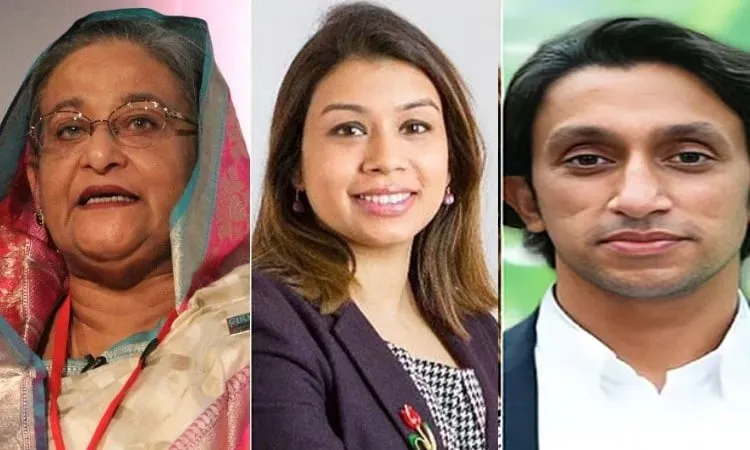
“The murder was planned, and the main coordinator behind it was the then MP Sheikh Fazle Noor Taposh,” he said.
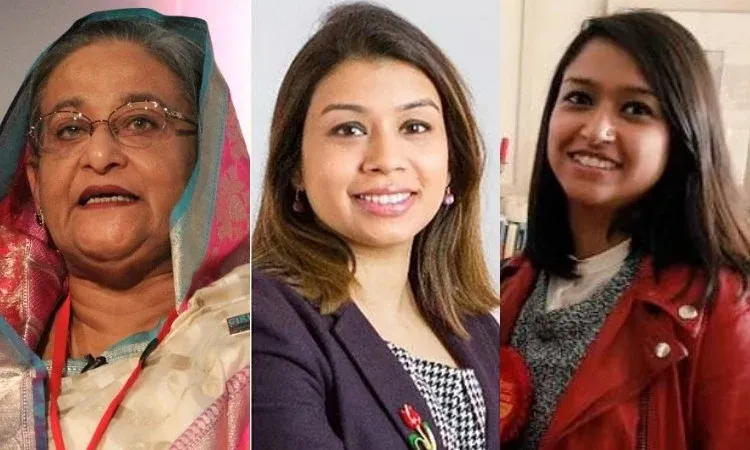
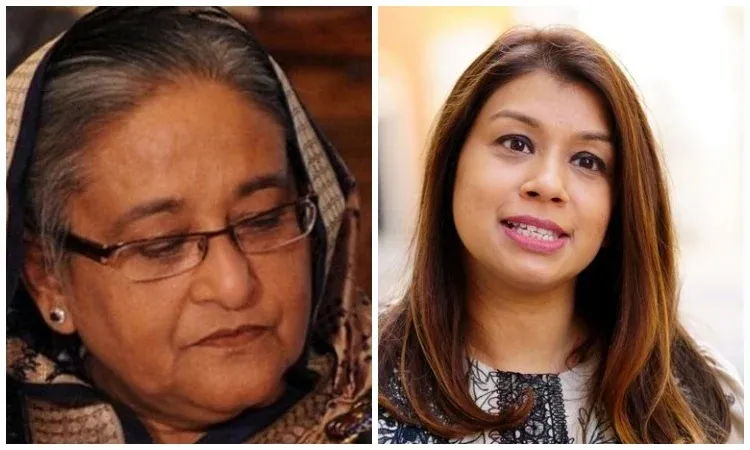
He added that local Awami League leaders played a direct role in protecting the perpetrators. “They entered Peelkhana in a procession of 20–25 people and came out with more than two hundred. The then Prime Minister Sheikh Hasina had given the ‘green signal’ for the entire incident.”
He said responsibility for the tragedy lies with the then head of government and the army chief, noting that the matter was resolved politically. The police, RAB, and intelligence agencies were also found to have failed in their duties.
He further stated that the role of several media outlets and journalists was “amateurish,” while key details — including the names of BDR members who met Sheikh Hasina at the State Guest House Jamuna — were not properly documented.
The commission made several recommendations aimed at preventing similar incidents in future and ensuring justice for victims.
The meeting was attended by National Security Advisor Dr. Khalilur Rahman, retired Lieutenant General Abdul Hafiz (Special Assistant to the Chief Advisor on Defense and National Integration Development), and Home Secretary Nasimul Ghani.