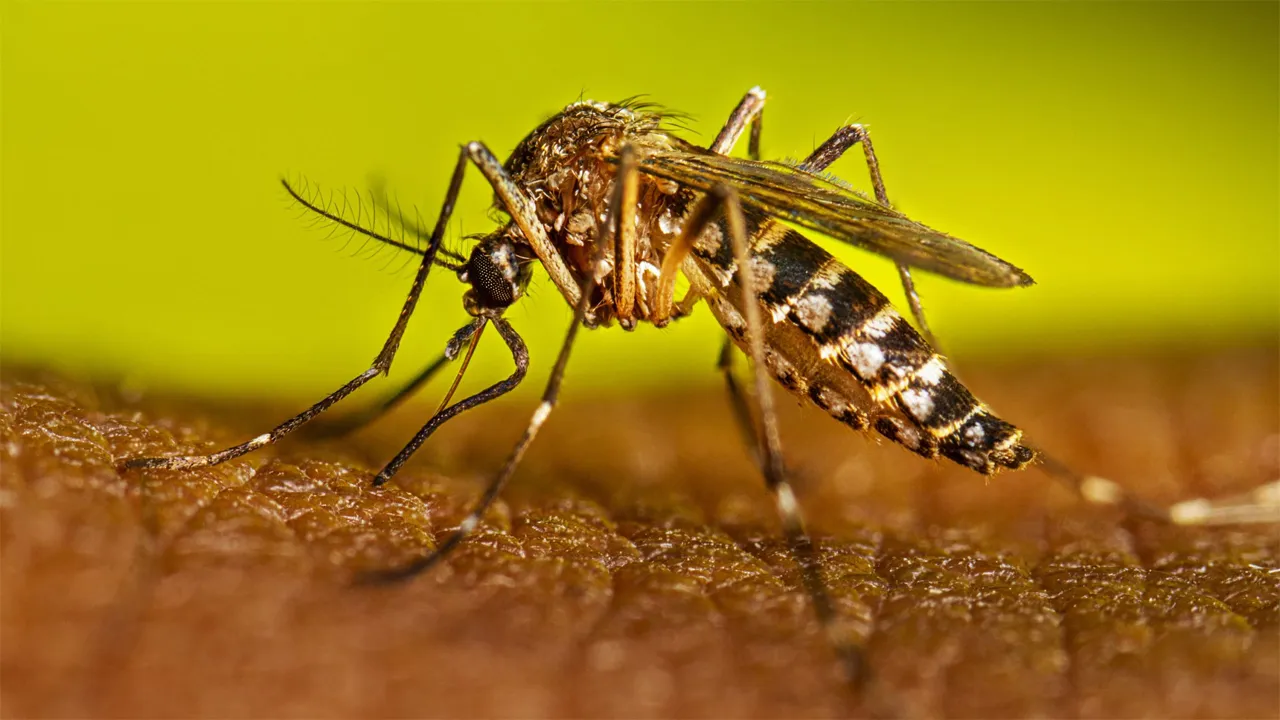


The lone pre-season survey, though conducted, was not published in time. As a result, relevant authorities could not prepare or take preventive action based on early warnings. The survey found Aedes mosquito larvae in 13 wards of Dhaka city, indicating alarming levels of risk even before the monsoon fully began.
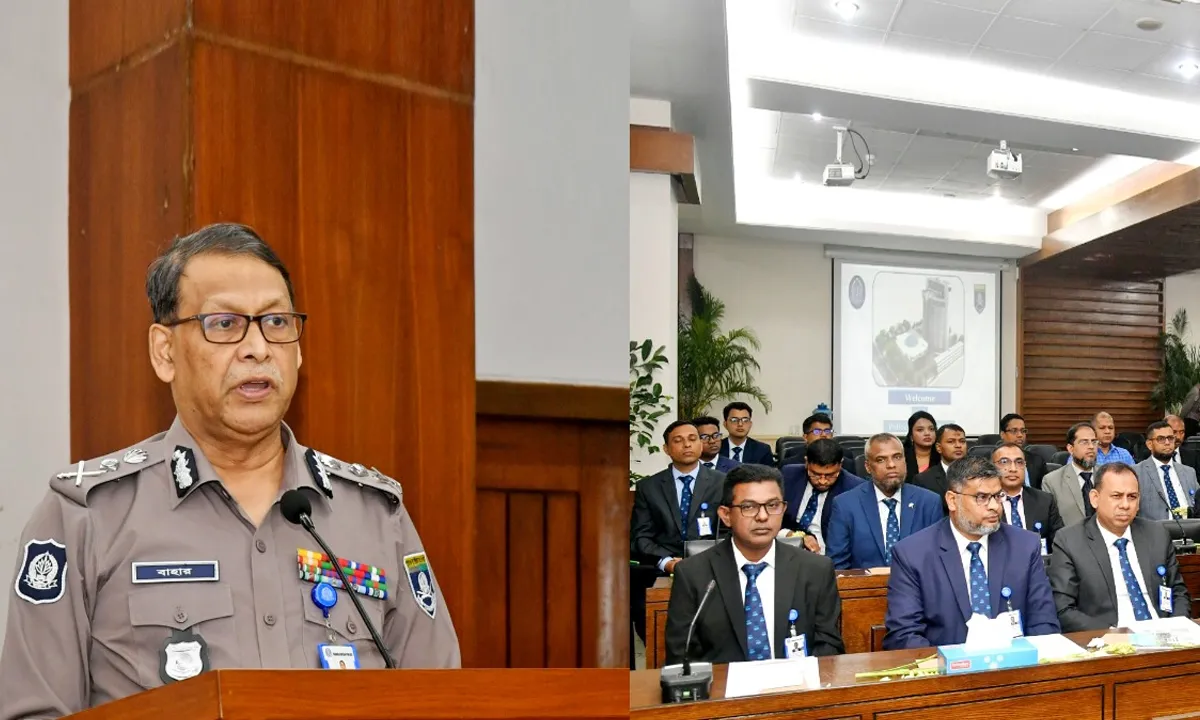
Public health experts have raised serious concerns over the lack of regular data and surveillance. “The more surveys and research are conducted on public health issues, the more effective the control measures become,” said Professor Dr. Bey-Nazeer Ahmed, former Director (Disease Control) of DGHS. He explained that pre-season, seasonal, and post-season surveys provide critical insight into the spread pattern of dengue, helping health officials design effective and timely intervention plans.
Dr. Bey-Nazeer further warned that halting the operational plan (OP) of disease control has jeopardized not only dengue control but the prevention of all infectious diseases in the country.
High-Risk Zones Across the Capital
In Dhaka North City Corporation (DNCC), six wards were found to be at high risk, with a gross larval index above 20. Seven wards were categorized as medium risk, with an index above 10. Additionally, 19 wards were identified as low risk, while eight wards showed no presence of Aedes larvae.
In Dhaka South City Corporation (DSCC), seven wards were flagged as high-risk zones, 18 as medium risk, and 19 as low risk. Larvae were not detected in 15 wards.
Multi-storey buildings are the prime breeding grounds for Aedes mosquitoes in both DNCC and DSCC, accounting for 58.88% of total larvae found. Other sources include under-construction buildings (19.63%), single-family homes (9.8%), semi-detached homes (8.88%), and vacant lots (2.8%).
Lack of Surveys Hampers Understanding of Dengue Dynamics
Experts warn that the absence of updated epidemiological data and field surveys has made it difficult to track the dynamics of dengue this year, increasing the challenge of controlling the outbreak. Infections have already started to spread rapidly at the district level.
“We are aware of the threat and have already discussed dengue control measures with the Local Government Secretary,” said DGHS Director General Professor Dr. Md. Abu Zafar. He acknowledged that waterlogging in areas like Barisal is worsening the situation. “We have dengue detection kits available. But we must understand that controlling dengue requires awareness and collective action.”
Rising Numbers and Historical Trends
As of June 17 this year, 6,466 dengue cases and 30 deaths have been reported. In the last 24 hours alone, 244 new cases were confirmed, with Barisal recording the highest—138 infections. No deaths were reported during this time.
A look at last year’s (2024) figures shows the highest density of larvae in multi-storey buildings (42.33%), followed by under-construction and single-family homes (each a little over 21%), semi-detached homes (12.74%), and vacant lots (1.73%).
In 2024, the infection toll stood at 1,121 with 575 deaths—an alarmingly high death-to-case ratio. By comparison, 2023 saw an unprecedented 321,179 dengue infections and 1,705 deaths, the highest on record.
Age-based analysis reveals that the majority of those infected last year were between 16 to 30 years old. Specifically, 15,110 were aged 21–25, 14,063 were 26–30, and 13,135 were 16–20. Deaths were also highest among young adults, with 56 fatalities in the 26–30 age group and 52 among those aged 21–25.
Urgent Action Needed
Health experts are calling for the immediate resumption of regular dengue surveys and operational plans. Without timely data, officials are essentially flying blind, and the country remains ill-prepared to deal with a surge in infections.
With the monsoon intensifying and infection rates already climbing, the coming weeks will be critical. Without swift and coordinated intervention, Bangladesh may once again face a devastating dengue outbreak.