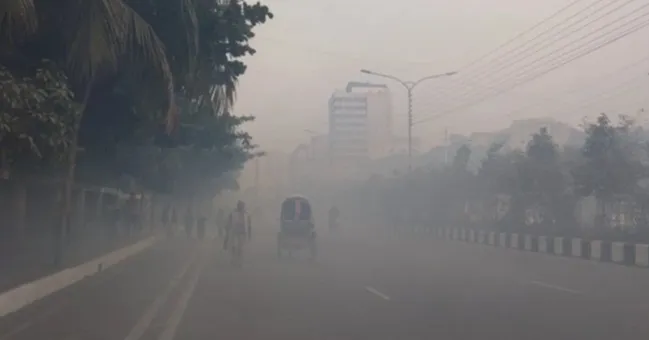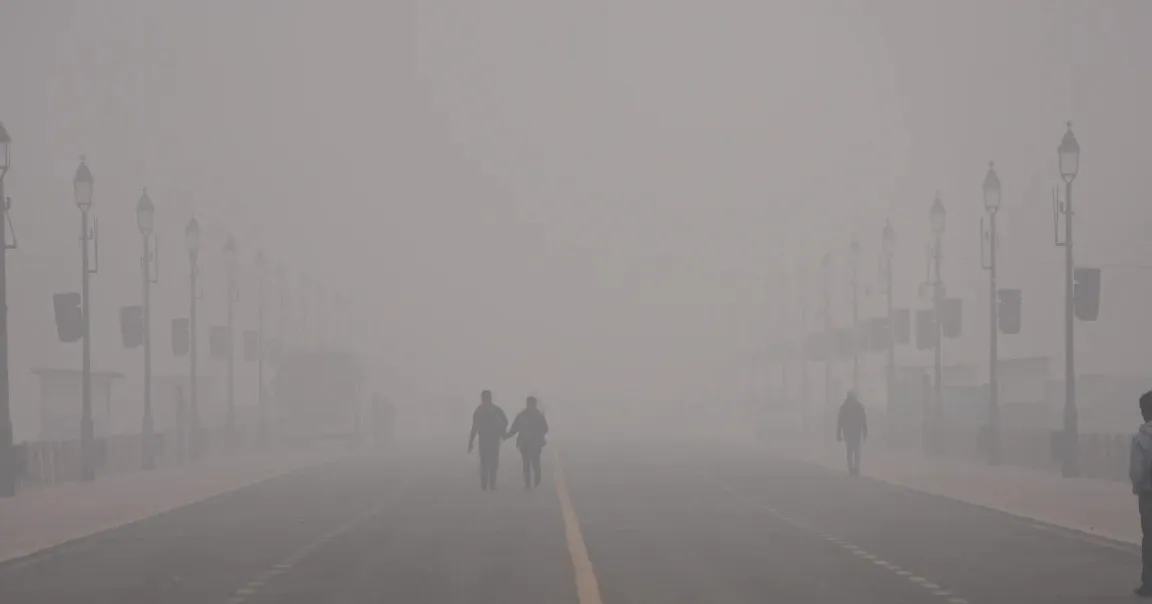


Wednesday marked the third consecutive day of "moderate" air quality in the capital, indicating a low-level health concern. As per the AQI scale, a score between 50 and 100 falls under the "moderate" category, meaning air quality is acceptable; however, sensitive individuals should consider limiting prolonged outdoor exertion.
Globally, Riyadh in Saudi Arabia topped the list with an AQI score of 159, followed by Lahore in Pakistan and Dubai in the United Arab Emirates, both scoring 158. These cities fall under the "unhealthy for sensitive groups" category.
The AQI measures air quality based on five major pollutants: particulate matter (PM10 and PM2.5), nitrogen dioxide (NO2), carbon monoxide (CO), sulfur dioxide (SO2), and ozone (O3). It is a tool used worldwide to inform the public about air cleanliness and potential health effects.
Air pollution remains a persistent challenge in Dhaka, with the situation typically worsening during winter due to dry weather and improving during the monsoon season when rainfall helps clear pollutants.
According to the World Health Organization (WHO), air pollution is responsible for an estimated seven million deaths each year globally. It contributes significantly to various fatal health conditions, including stroke, heart disease, chronic obstructive pulmonary disease, lung cancer, and acute respiratory infections.