
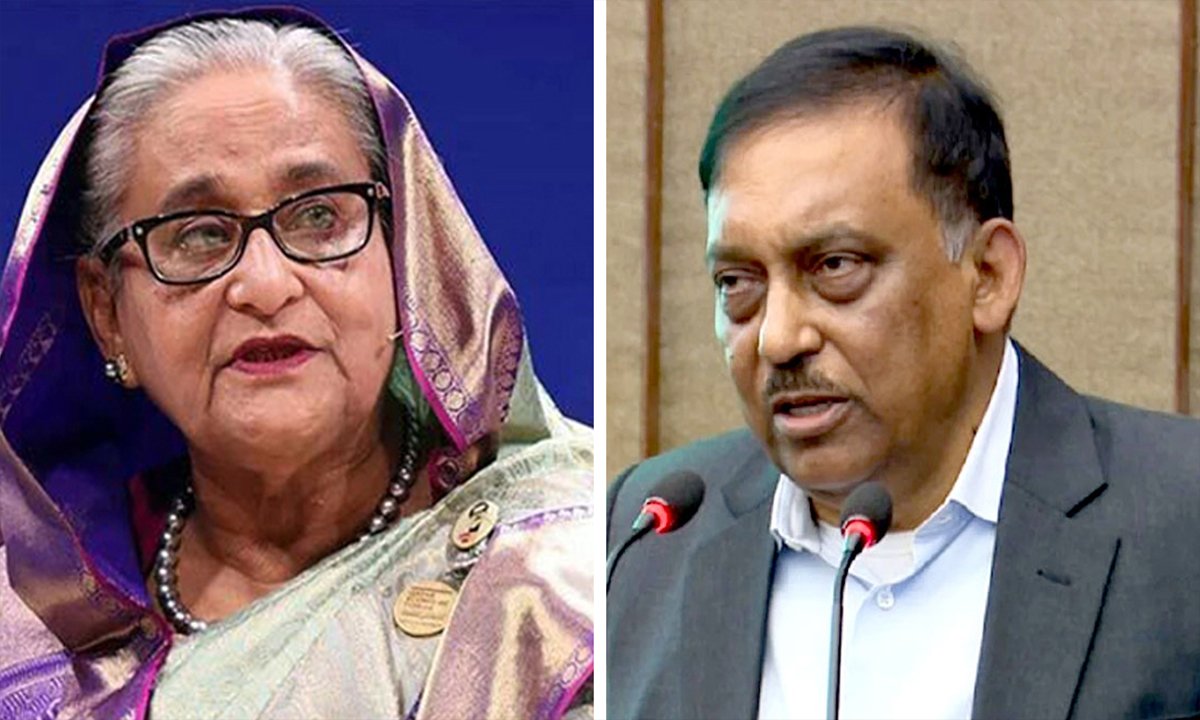
Dhaka is exploring options such as extradition treaty as well as issuing arrest warrants through Interpol. Experts are recommending a diplomatic and not legal solution to the extradition issue.
What options does Bangladesh have?
Dr Akmal Hossain, a former professor of international relations at Dhaka University, says that Bangladesh should approach international organisations like the United Nations in this regard.
Bangladesh’s main challenge is to convince India of the transparency of the trial, says senior lawyer of the Supreme Court Ahsanul Karim. However, he believes that the problem should be solved diplomatically rather than on legal terms.
“Naturally, the scale seems to be tilted towards India on the issue of political prisoners as per the agreement,” he said.
However, the senior lawyer believes that there is no scope to define matters like murder and enforced disappearances politically.
Experts say that the time has come for Bangladesh to take a strong diplomatic position in the global scenario on the basis of geographical location.
Seeking ICC’s help
Meanwhile, Law Adviser Asif Nazrul says Bangladesh is considering seeking the International Criminal Court’s (ICC) help to extradite the fugitive convicts.
He said the government will also request India to extradite the duo, convicted of crimes against humanity by a special tribunal established by Hasina to try alleged war crimes from the country’s Liberation War.
"We are sending a letter requesting their extradition,” he said. “India now has the responsibility to return them to fulfil the Bangladeshi people's demand for justice. We are reminding India of its extradition agreement obligations, which is why we are sending this letter.”
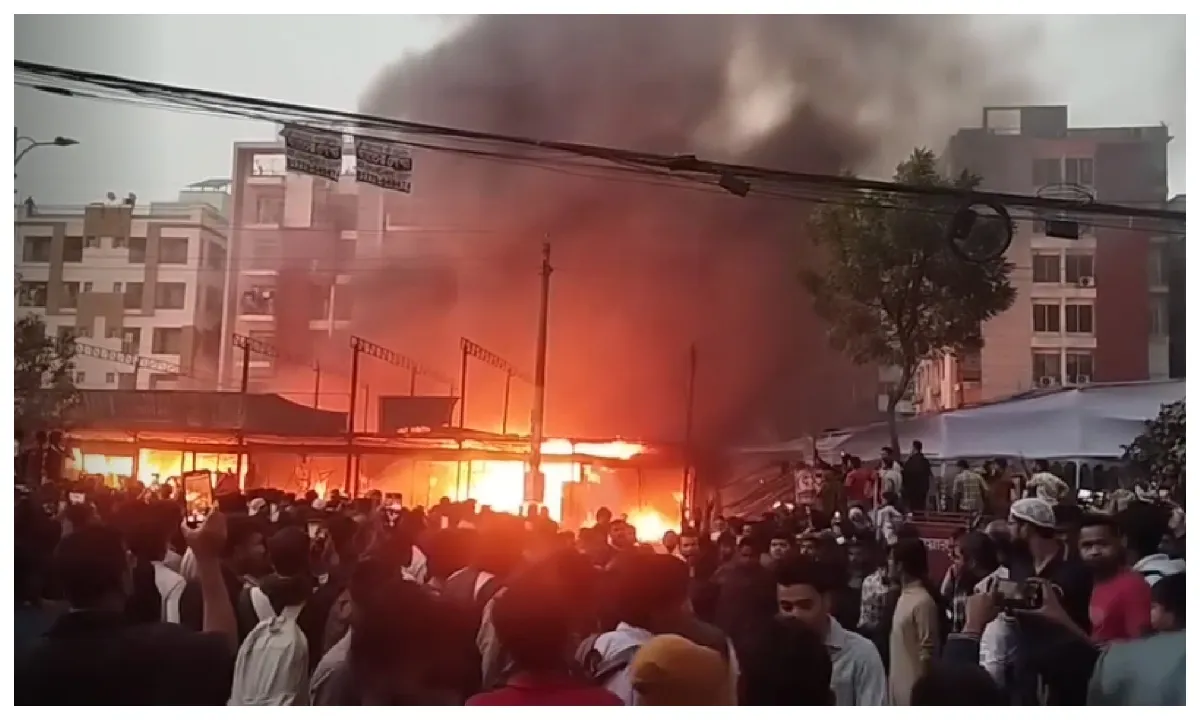
At least 1,400 people were killed in the mass uprising between July 15 and August 5 last year that ended Hasina’s 15-year autocratic rule. Neither Hasina nor the Awami League has apologised or expressed remorse for what has happened.
The Awami League chief has called the tribunal, established by her government in 2010, a “kangaroo court” and decried what she claimed was a “biased, politically motivated” verdict.
Her conviction for crimes against humanity presents a diplomatic challenge for India and Bangladesh. The two countries shared close ties during Hasina’s tenure, but relations changed after her ouster. Delhi has so far declined Dhaka’s requests for her extradition.