

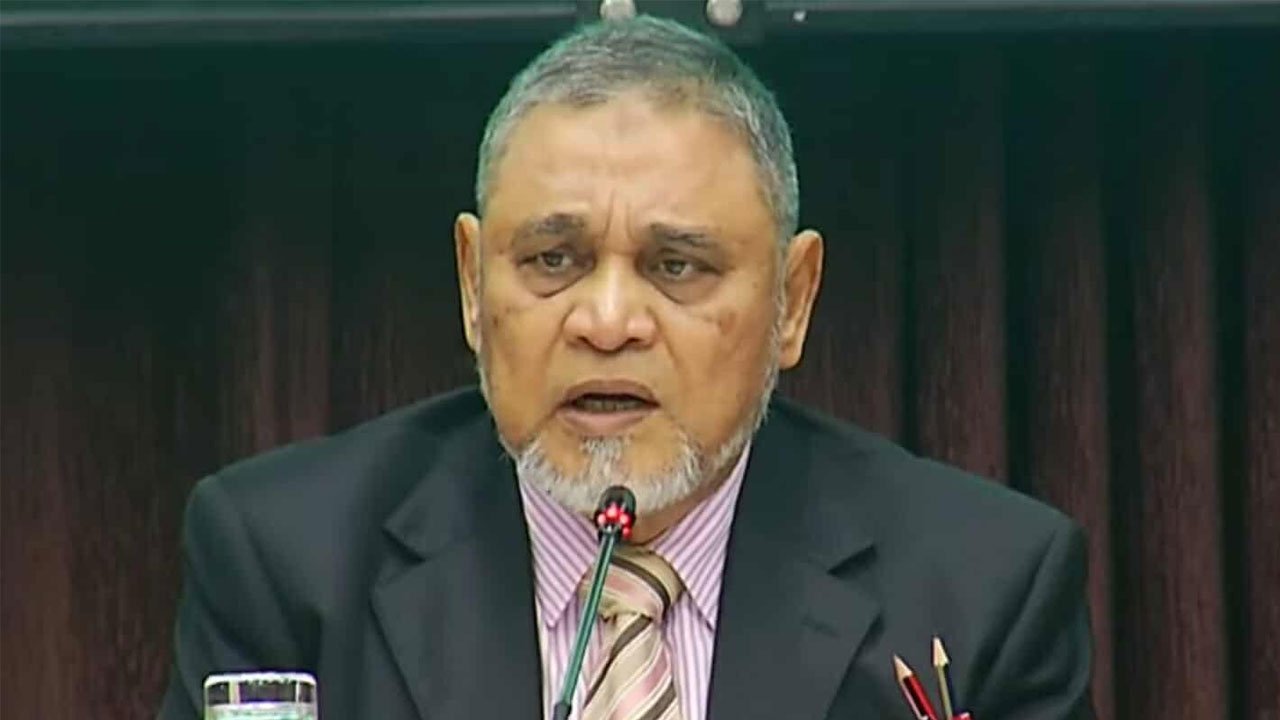
He made the statement on Thursday (November 13) while speaking to journalists during a dialogue with political parties held at the Election Building in Dhaka.
Earlier in the day, the Chief Advisor announced that a referendum on implementing the July National Charter would be held on the same day as the upcoming national election.
When asked about the EC’s stance on the announcement — whether it might face legal challenges or affect the parliamentary polls — the CEC replied, “I was here in the dialogue. I did not hear the speech. I do not know what was said or not. Since I did not hear it, it would not be right to comment without knowing the details. Once we receive formal instructions, we will sit together in the Commission and discuss the matter before giving an opinion. It would not be appropriate to comment now.”
According to Election Commission officials, holding the referendum and parliamentary elections simultaneously would have several logistical advantages. They noted that no separate arrangements would be needed, which could reduce overall expenditure by nearly two-thirds.
Officials explained that the same polling centers could be used, with only a slight increase in the number of rooms and an additional ballot paper. While the number of polling officials and ballot boxes would need to increase slightly, conducting both votes together would be more cost-effective.
However, they also cautioned that simultaneous voting could significantly delay vote counting, possibly extending the process late into the night.
The 13th National Assembly Election is expected to cost around Tk 2,800 crore, while the referendum may require an additional Tk 300–400 crore. If held separately, the referendum could cost nearly the same amount as the general election itself, according to EC estimates.


