

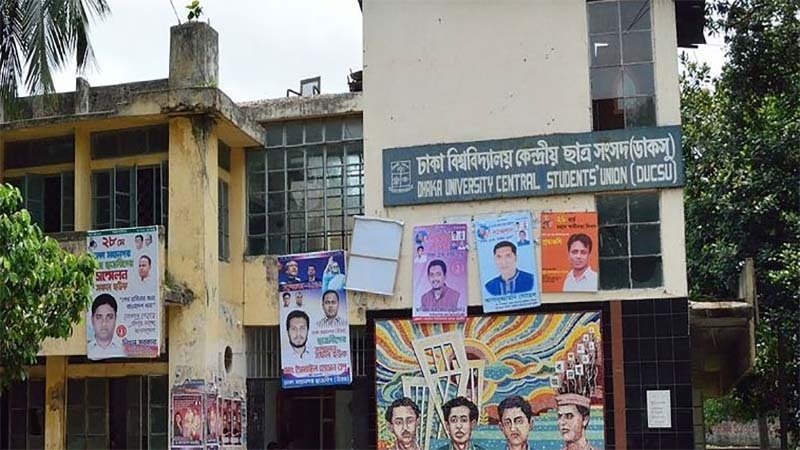
The demand came in a press statement issued on Saturday, signed by DUCSU Vice President Sadiq Kayem, General Secretary SM Farhad, and Assistant General Secretary Muha. Mohiuddin Khan.
The statement described the previous Awami League government as “the darkest period in Bangladesh’s history”, marked by state-sponsored disappearances, murders, torture, false cases, and extrajudicial executions that created a severe humanitarian crisis.
According to DUCSU, the Disappearance Commission has so far received over 1,800 complaints of enforced disappearances. Victims include ordinary citizens, students, women, workers, and leaders and activists from various political parties. Many university students, the statement said, were detained, tortured, or made to disappear for expressing dissent, and their whereabouts remain unknown.
The DUCSU leaders also alleged direct and indirect involvement of a neighboring country in these incidents, calling it a serious threat to national security.
They asserted that the responsibility for these crimes does not rest solely on Sheikh Hasina and her political allies, but also on senior officials of law enforcement agencies, including the Directorate General of Forces Intelligence (DGFI) and the Rapid Action Battalion (RAB). They condemned the “inhuman torture” reportedly carried out in secret detention facilities such as the so-called “Mirror House.”
Referring to the recent arrest warrants issued by the International Crimes Tribunal against 28 individuals, including Sheikh Hasina, former Home Minister Asaduzzaman Khan Kamal, and a former DGFI chief, DUCSU said the move brings “some hope but is not enough.”
The student leaders warned that they will continue to oppose any attempt to grant a ‘safe exit’ to those accused of crimes against humanity.
The statement further noted that true justice is essential to restore public trust in law enforcement. “Prosecuting the perpetrators will not diminish the dignity of the army, RAB, or police rather, it will make them more accountable and credible institutions,” the statement concluded.


