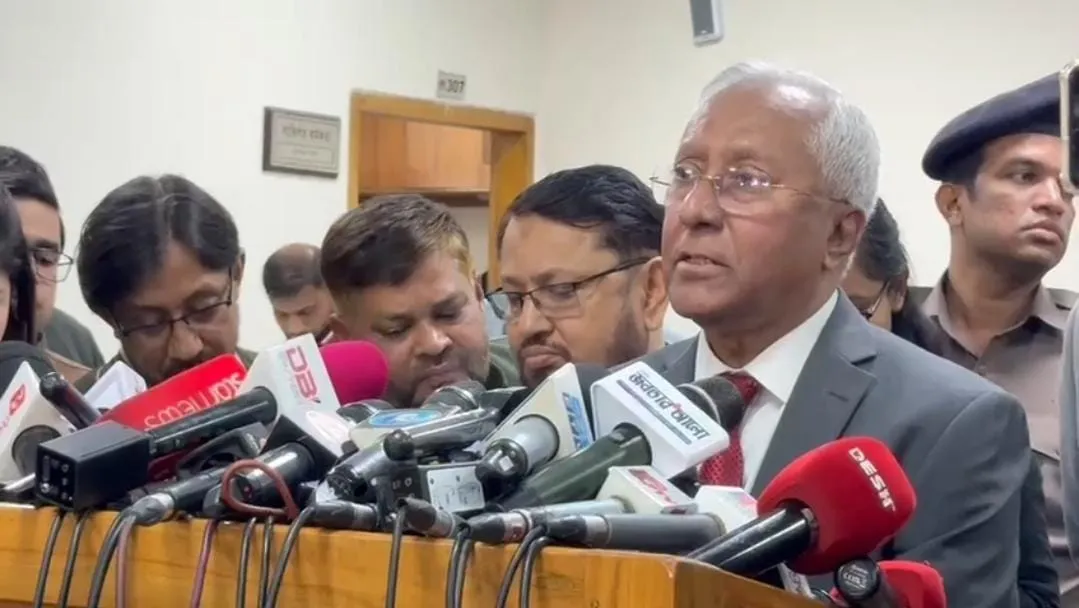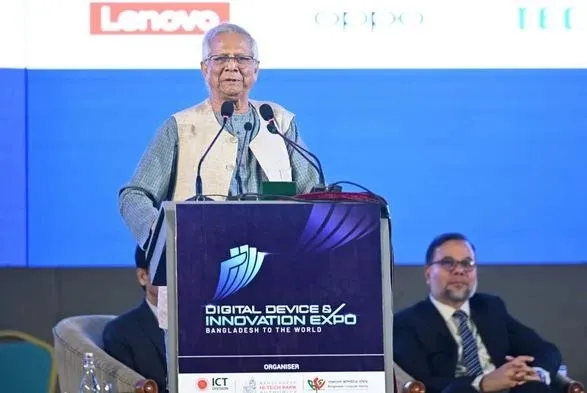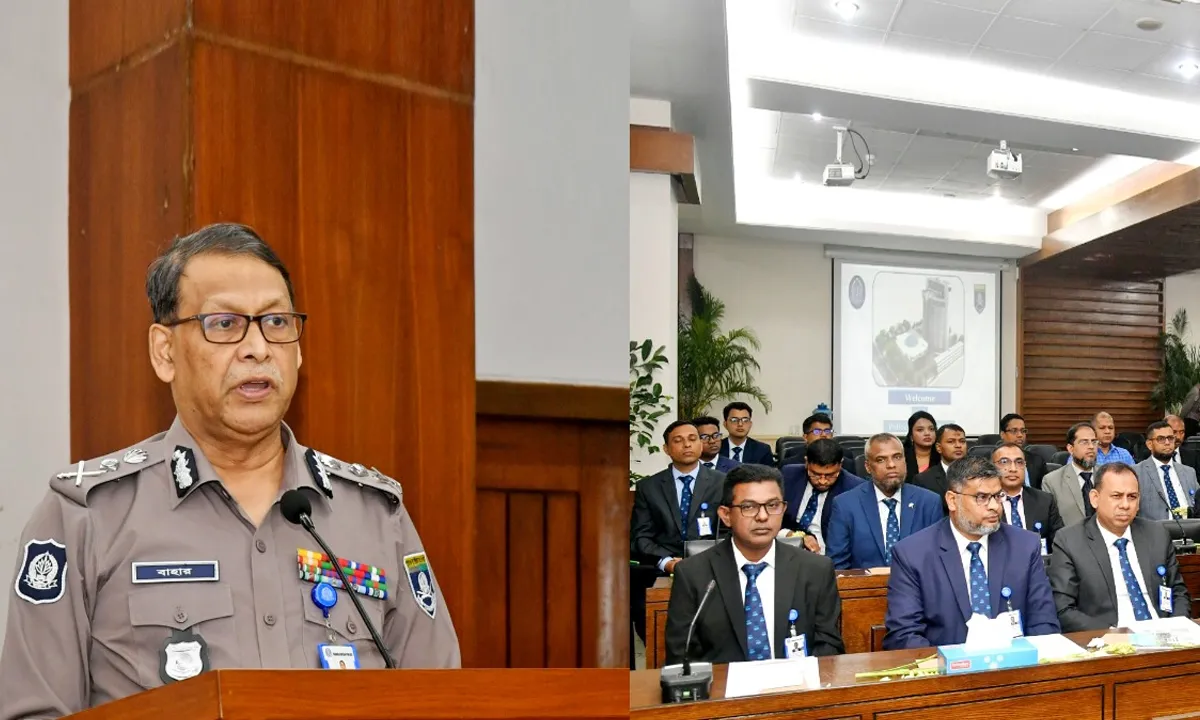

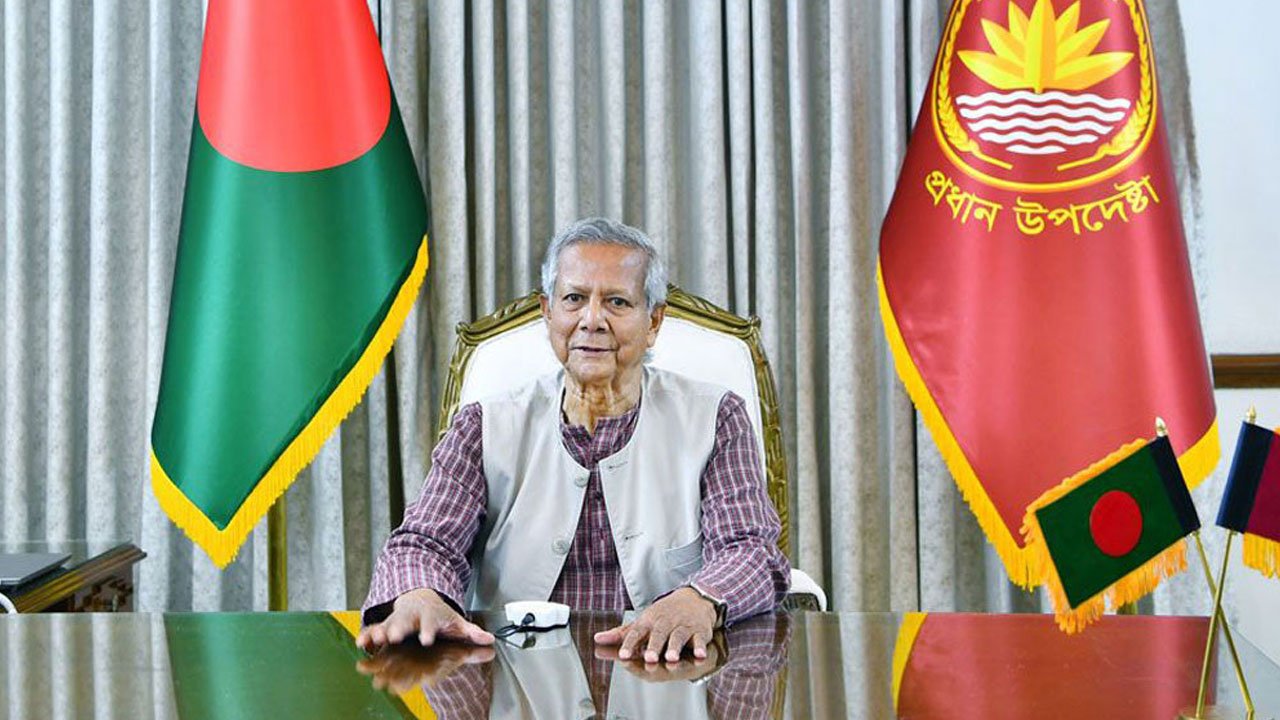
Their views came at an emergency meeting held at the office of the Chief Advisor on Monday, chaired by Professor Muhammad Yunus, in the wake of tremors felt several times last Friday and Saturday.
During the meeting, the Chief Advisor urged experts to promptly submit written recommendations outlining the immediate steps the government should take.
“We do not want to sit idle, nor do we wish to take any unscientific measures. Please provide your suggestions in writing as soon as possible. The government is ready to take all necessary steps,” he said.
He also stated that work is underway to form expert committees and one or more task forces. Actions will be taken immediately upon receiving expert recommendations.
The meeting was attended by Planning Advisor Wahiduddin Mahmud, Legal Advisor Asif Nazrul, Disaster and Relief Advisor Faruk-e-Azam, Energy Advisor Muhammad Fawzul Kabir Khan, Housing and Public Works Advisor Adilur Rahman Khan, Environment Advisor Syeda Rizwana Hasan, and Special Assistant to the Chief Advisor Professor Ali Riaz.
Experts present included: Professor Md. Zainul Abedin (MIST), Professor Dr. Mehedi Ahmed Ansari (BUET), Professor Tahmeed Malik Al-Hussaini (BUET), Professor Md. Zillur Rahman (Dhaka University), Professor Dr. Jahangir Alam (Chittagong University), Professor Dr. Humayun Akhtar (Dhaka University), Professor Dr. Tanvir Manzur (BUET), Md. Mominul Islam, Director (Current Responsibilities), Bangladesh Meteorological Department, Meteorologist Md. Rubaiyat Kabir, Geologist Dr. Reshad Md. Ikram Ali, Disaster expert Dr. Md. Shakhawat Hossain (Dhaka University), Md. Moniruzzaman Khan, Director of the Disaster Management and Risk Reduction Institute (Dhaka University), Professor Israt Islam (BUET).
Referring to the recent powerful earthquake that caused deaths and injuries, the Chief Advisor said it was a tragic incident that must not be repeated.
“You have written in newspapers, given suggestions, shared experiences. It is our responsibility to protect people from panic. Tell us what needs to be done, what preparations are required, and what awareness must be raised. We will make advance preparations, regardless of how the disaster may come,” he said.
He also highlighted the need for guidelines on earthquake drills and an assessment of the country’s current preparedness level.
Additionally, he suggested strengthening coordination with Bangladeshi scientists and earthquake experts abroad, saying that platforms like the ‘Shubechcha’ app for expatriates could facilitate faster communication.
Experts noted the rapid spread of misinformation on social media, such as claims that a major earthquake is imminent within days or weeks. They urged the public not to fall for such rumors.
Professor Dr. Zillur Rahman said the source and nature of earthquakes around Bangladesh must be reviewed to assess potential shaking levels.
“The possibility of a major earthquake is low because Bangladesh is a low-seismic area. However, adequate preparedness is essential,” he said.
Dhaka University Professor Dr. Humayun Akhtar emphasized involving young people in raising awareness and preparing plans at four levels indoor, outdoor, individual, and institutional.
CUET Professor Jahangir Alam recommended evaluating facilities under government ministries—especially hospitals, educational institutions, electricity, and gas connections. He said earthquake-related programs in schools and colleges could help build awareness without creating panic.
MIST Professor Md. Zainul Abedin stressed clear public communication: “People must understand there is no need to panic. We need to work within our available resources and ensure that essential information reaches everyone.”
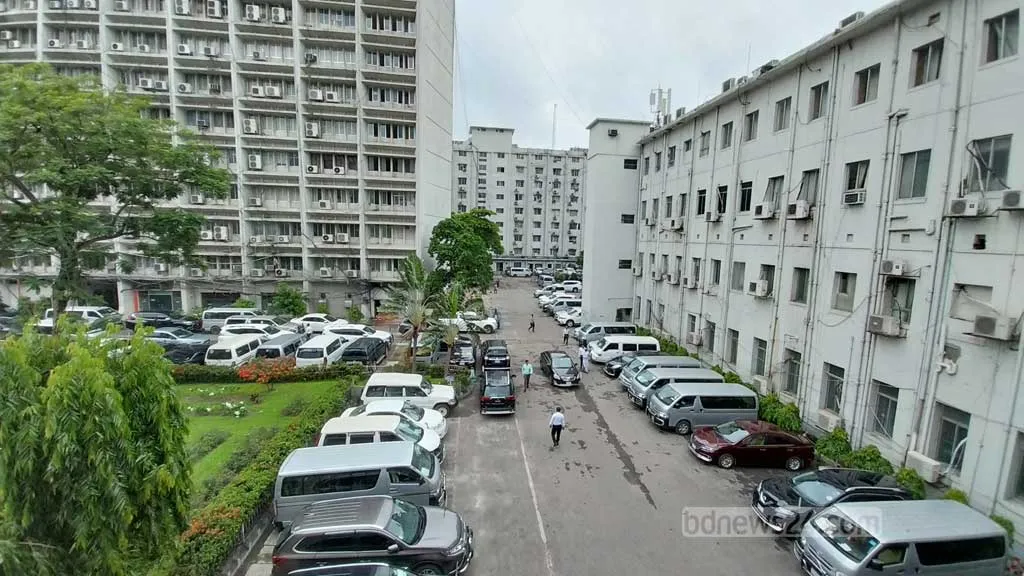
Public Works Department Chief Engineer (Civil) Md. Khalequzzaman Chowdhury reported that software-based assessments of buildings with visible cracks have already begun. Over 200 buildings have been evaluated, and most cracks were found in partition walls. The software will help authorities quickly identify structural concerns and take further action.
According to the meeting’s decisions, the government will review the written recommendations submitted by experts and form a task force immediately. The task force—comprising government and private-sector officials and experts—will be tasked with overseeing and implementing urgent earthquake preparedness measures.