
According to the report, bilateral relations between the two countries have improved significantly following the fall of former Bangladeshi Prime Minister Sheikh Hasina in August 2024, leading to increased communication and cooperation.
TCP has set 11:30 am on November 28 as the deadline for submission of bids. Dawn confirmed it has reviewed the tender documents published on November 20.
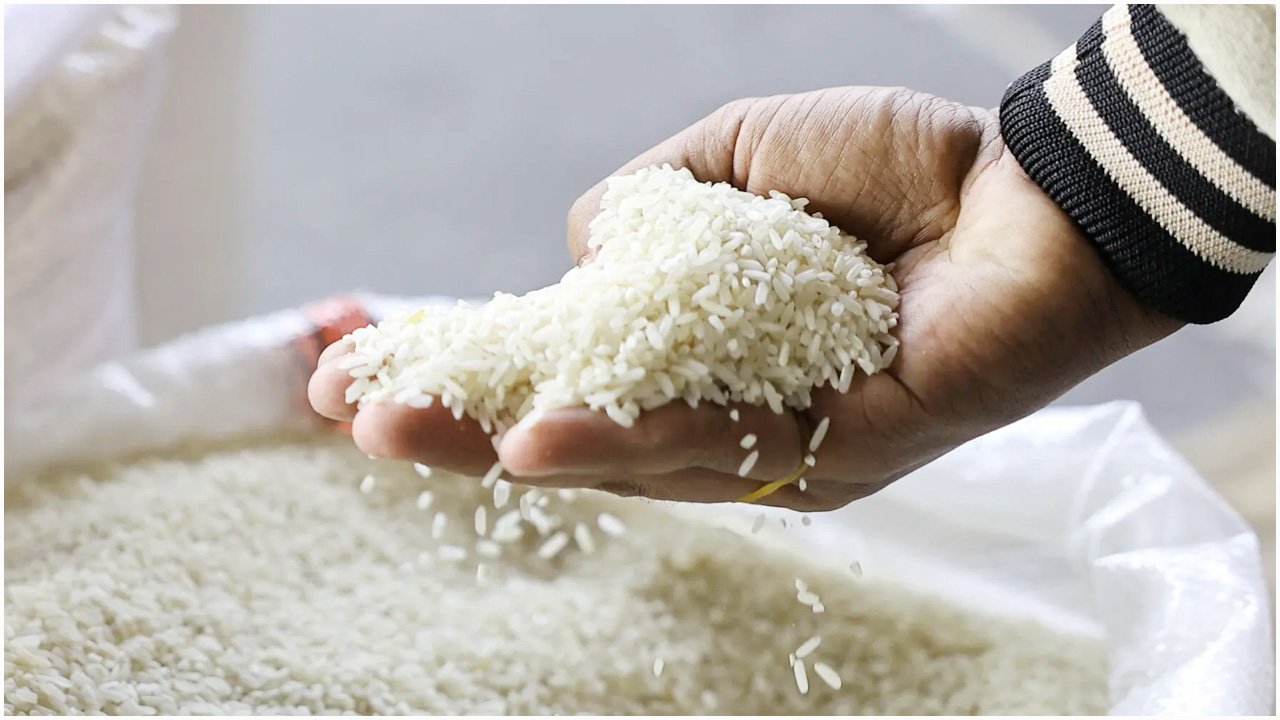
The corporation has invited “separate sealed bids” from companies, partnerships, and sole proprietorships to supply 100,000 tonnes of long-grain white rice (IRRI-6). The rice will be packaged and shipped to Bangladesh through Karachi Port.
Key conditions of the tender include:
Bids must remain valid for 21 working days after submission.
The rice must be ready for shipment within 45 days of finalizing the contract.
A minimum bid of 25,000 tonnes is required.
A maximum bid of 100,000 tonnes will be accepted.
The rice must be from Pakistan’s latest harvest and suitable for human consumption, free from foul odor, fungus, poisonous weed seeds, insects, or infections.
Strategic Move to Enter Bangladesh’s Import Market
According to a Reuters report, traders view this tender as Pakistan’s attempt to strengthen its presence in Bangladesh’s rice import market. Market analysts believe Bangladesh may use Pakistani rice in place of some recently imported Indian rice.
Dhaka on Monday announced another rice import tender as part of continuous efforts in recent weeks to stabilize domestic prices.
Pakistan and Bangladesh resumed direct government-level trade in February this year with an initial shipment of 50,000 tonnes of rice.
During the ninth Joint Economic Commission (JEC) meeting last month, Pakistan proposed that Bangladesh use Karachi Port Trust as a regional trade hub, including for trade with China and Central Asian nations.
Pakistan’s Rice Export Concerns
Pakistan’s rice exports fell by 28 percent in the first quarter of fiscal year 2026, raising concerns over policy and regulatory challenges.
An official from the Pakistan Rice Exporters Association attributed the decline to:
India’s return to international rice exports in 2024
Withdrawal of India’s minimum export price (MEP) on basmati
Implementation of zero-rating on Indian rice exports
However, Pakistan maintained its share of the global market from October 2024 to March 2025 without engaging in a price war with India.
Additionally, the United States imposed a 50 percent tariff on Indian basmati rice and other products in August 2024, creating an opportunity for Pakistan to expand its basmati exports to the U.S. market.
Data from the Volja Global Trade Platform show that 24 percent of Pakistan’s total basmati rice exports between November 2023 and October 2024 went to the United States.
Source: Dawn