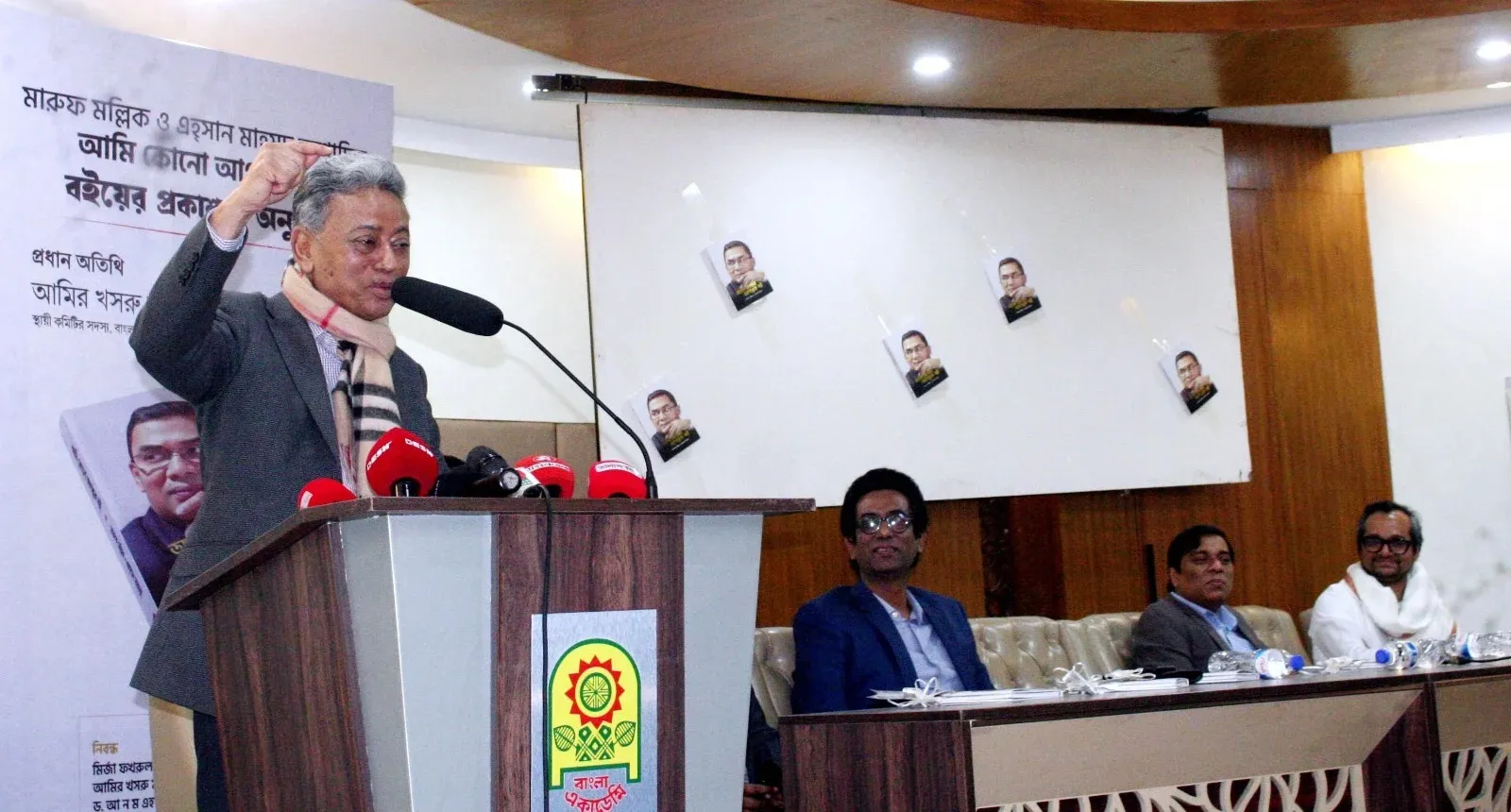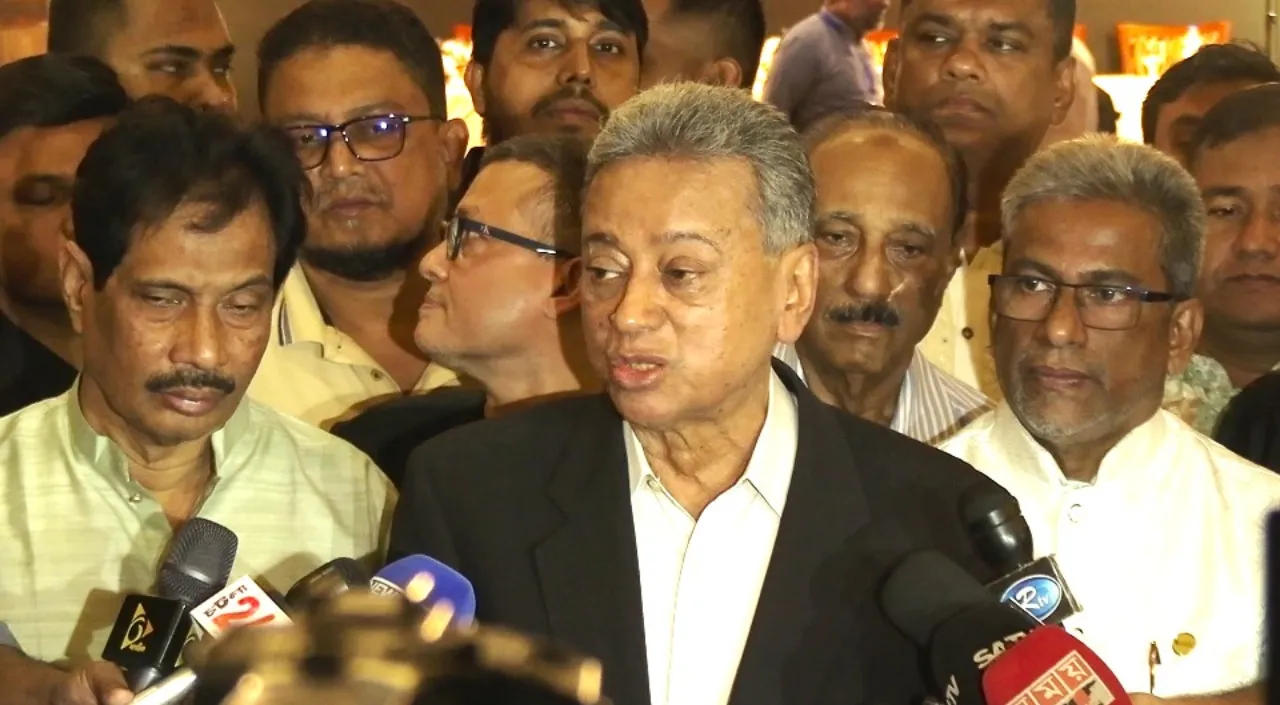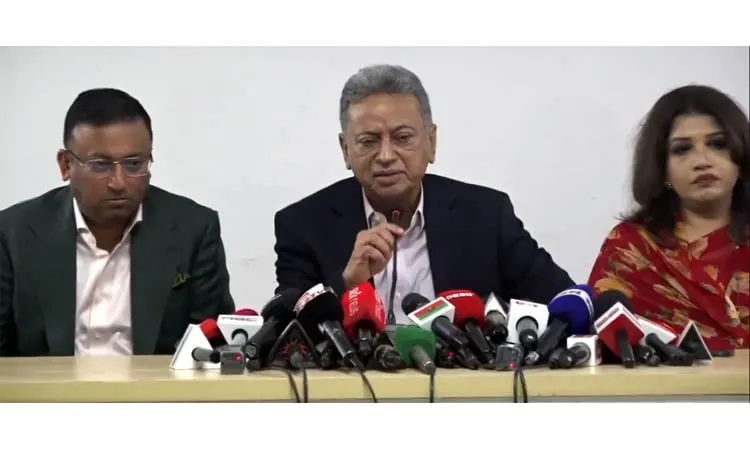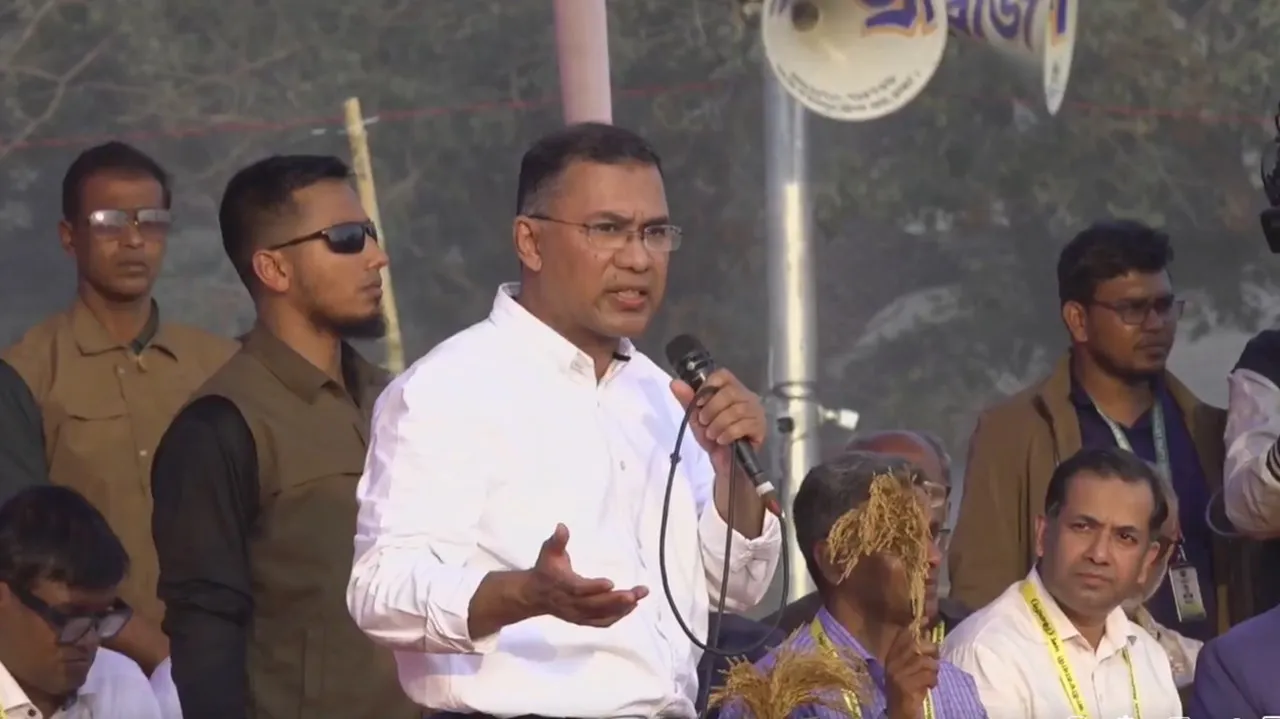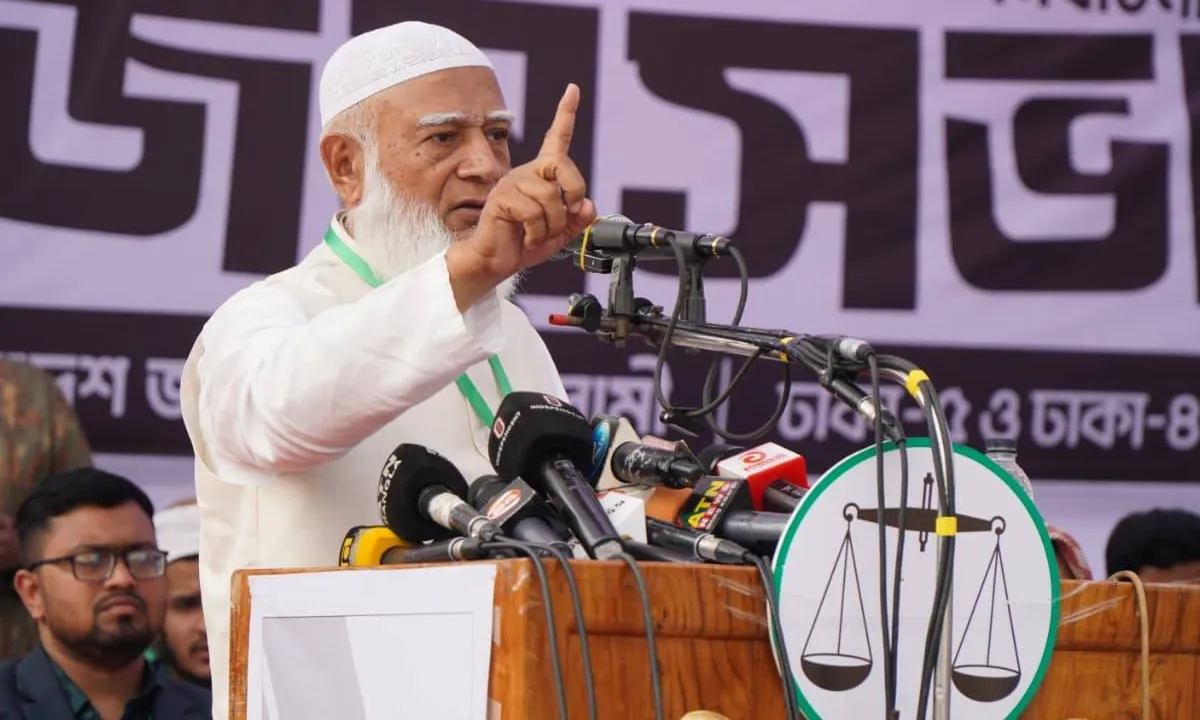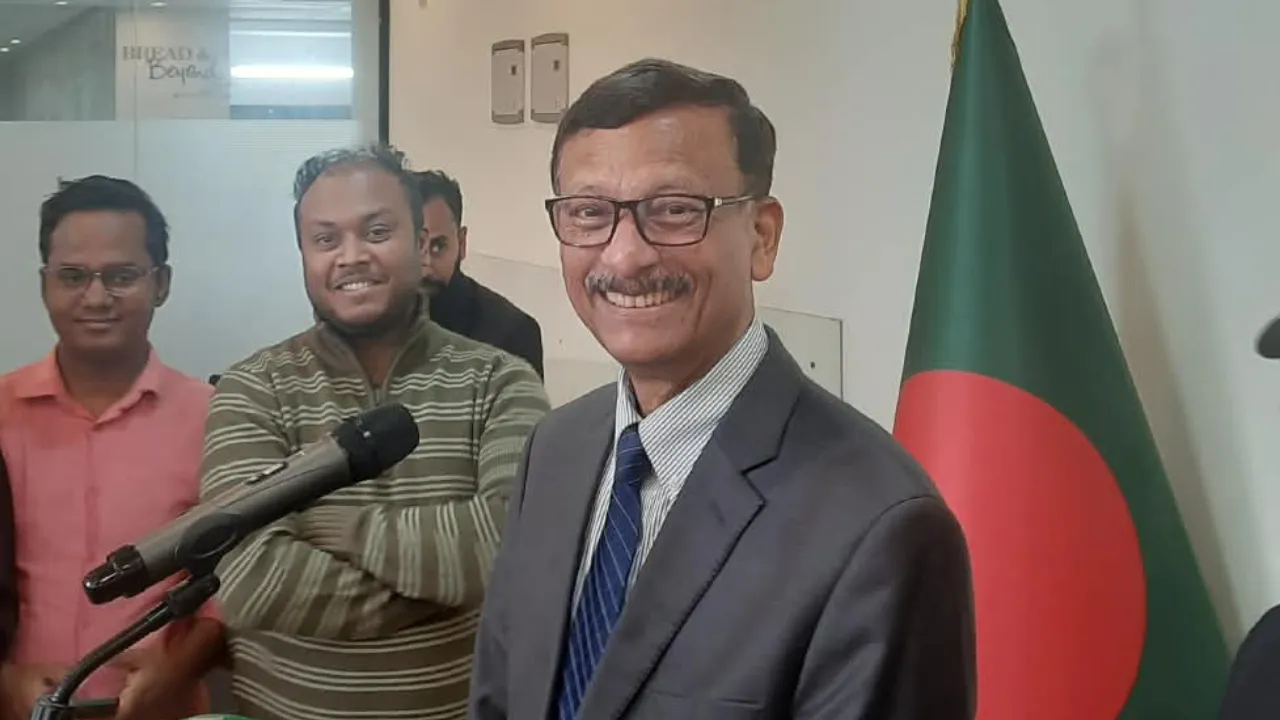

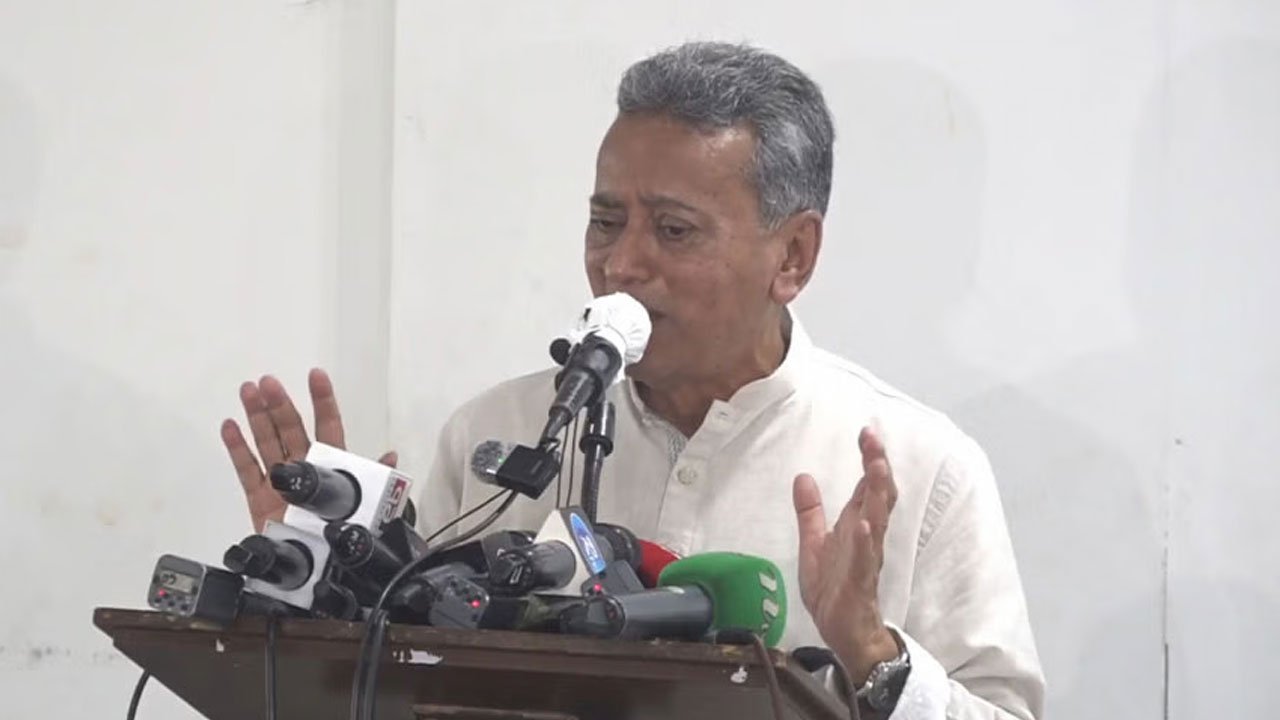
“It is not right to try to impose one’s demands on others,” Khasru said. “Some parties are attempting to fulfill their demands forcefully, which is not a democratic approach.”
He made these remarks while addressing a dialogue titled “People’s Manifesto” organized by Trace Consulting Limited at Hotel Intercontinental in the capital on Saturday afternoon.
Speaking about political manifestos, the BNP leader said, “It is not very significant to come out with a manifesto before the election. All parties remain active during election time, but I am not sure how many people actually vote after reading a manifesto.”
Khasru highlighted the importance of consensus-based politics, saying, “After long discussions, we had signed a charter through mutual understanding. Implementation must also follow the same spirit of consensus. When we enter parliament with the people’s mandate, we must respect that consensus. If we move beyond it and create new issues, it means we are violating that understanding.”
He also raised concerns about the possible motives behind recent incidents, saying, “We must question whether those who are trying to delay the elections or create obstacles are doing so deliberately to disrupt the process.”
Underscoring the role of dialogue in democracy, Khasru said, “The essence of democracy lies in continuous discussion and in listening to the people. Eight years ago, Begum Khaleda Zia introduced Vision 2030. Later, BNP presented 27-point and 31-point reform proposals — all drafted in line with the aspirations of ordinary citizens.”
Outlining the party’s development vision, he added, “If BNP comes to power, it will create 10 million jobs within one and a half years. The plan to achieve this target is already prepared, along with a blueprint for a new economic model.”
The dialogue also featured several other political and civic representatives, including Shafiqul Alam, Press Secretary to the Chief Advisor; Hamidur Rahman Azad, Assistant Secretary General of Jamaat-e-Islami; Saiful Haque, General Secretary of the Revolutionary Workers Party; Md. Akhtar Hossain, Member Secretary of the National Citizens Party (NCP); Jasmine Tuli, Member of the Electoral Reforms Commission; and Mohammad Hatem, President of BKMEA.
Fuad Mohammad Khaled Hasan, CEO of Trace Consulting Limited, presented the keynote on the value proposition of political manifestos. He identified four major weaknesses in the manifestos of Bangladeshi political parties: Lack of direct public feedback during formulation, Absence of specific measures for underdeveloped regions, Insufficient focus on business and agricultural sectors, and A low rate of implementation of promised commitments.
Hasan urged political parties to address these shortcomings and ensure accountability by fulfilling the pledges they make in their manifestos ahead of the upcoming national elections.