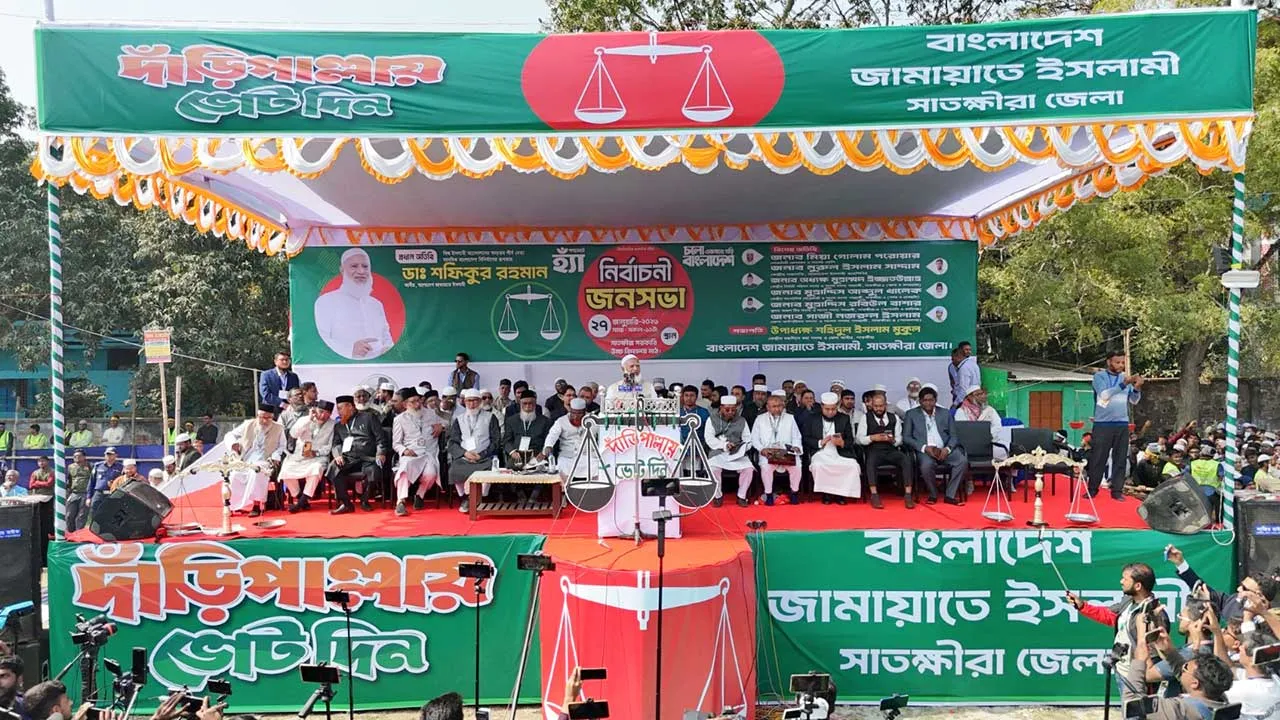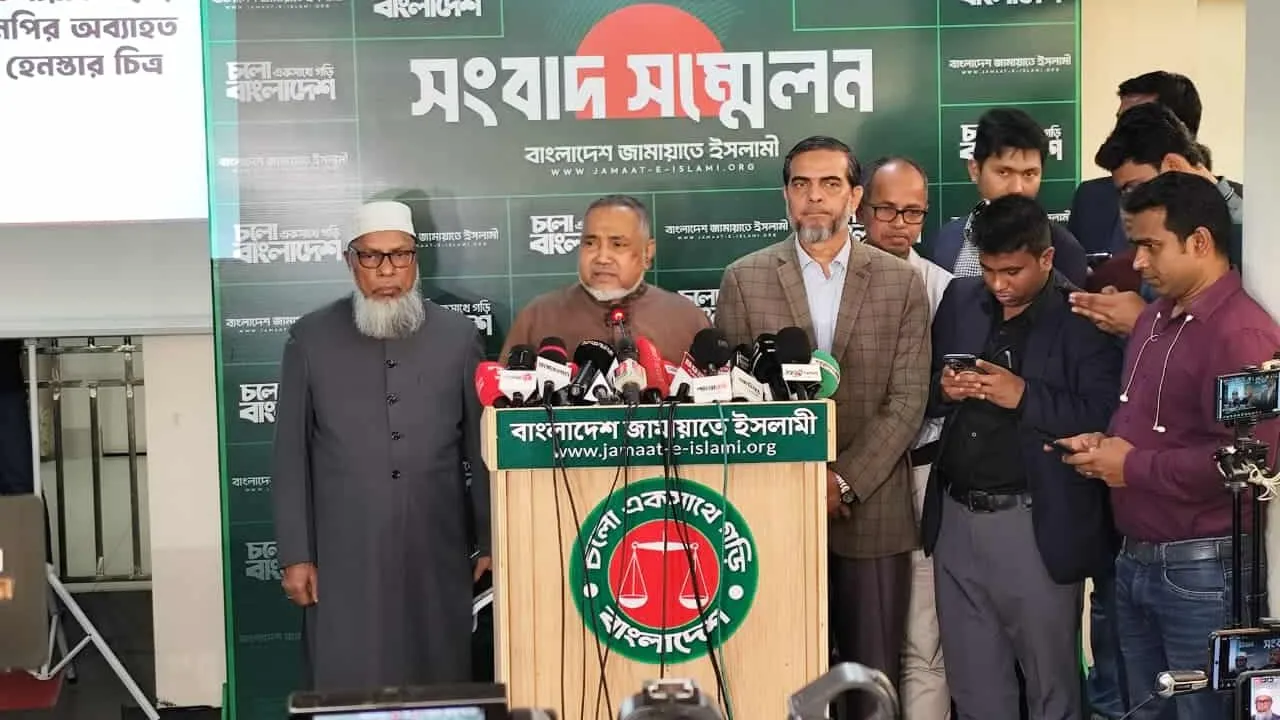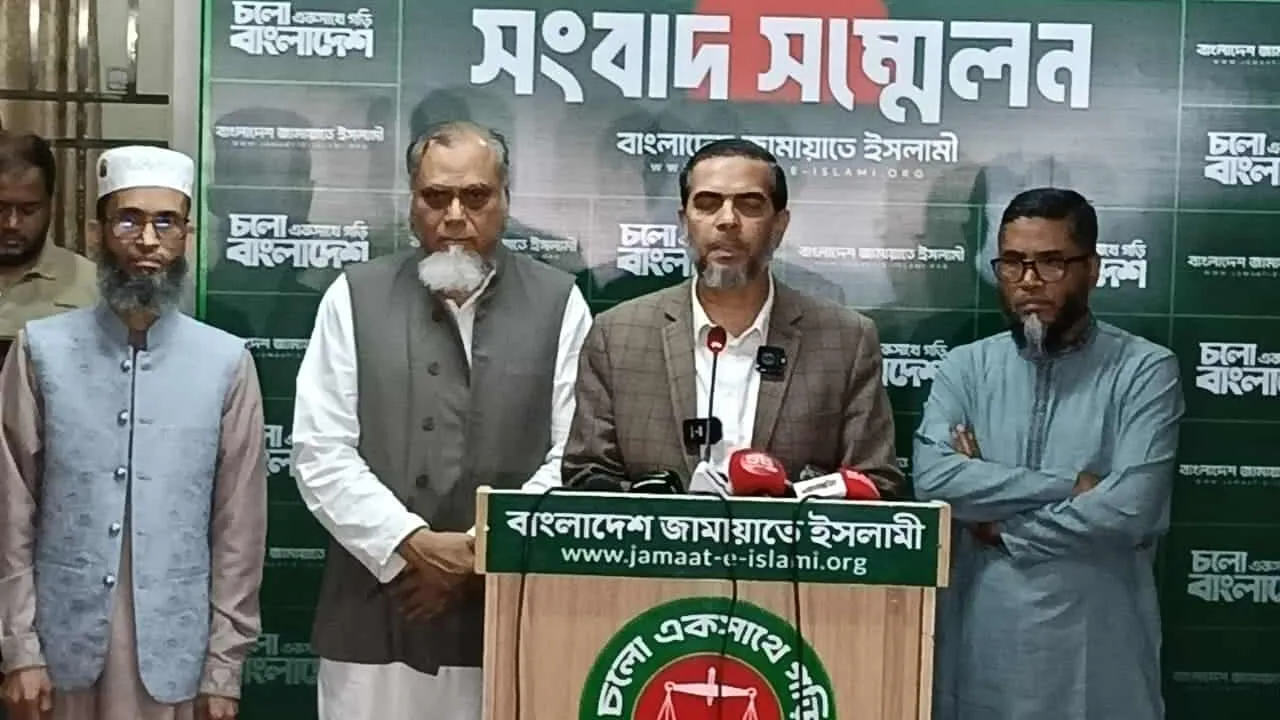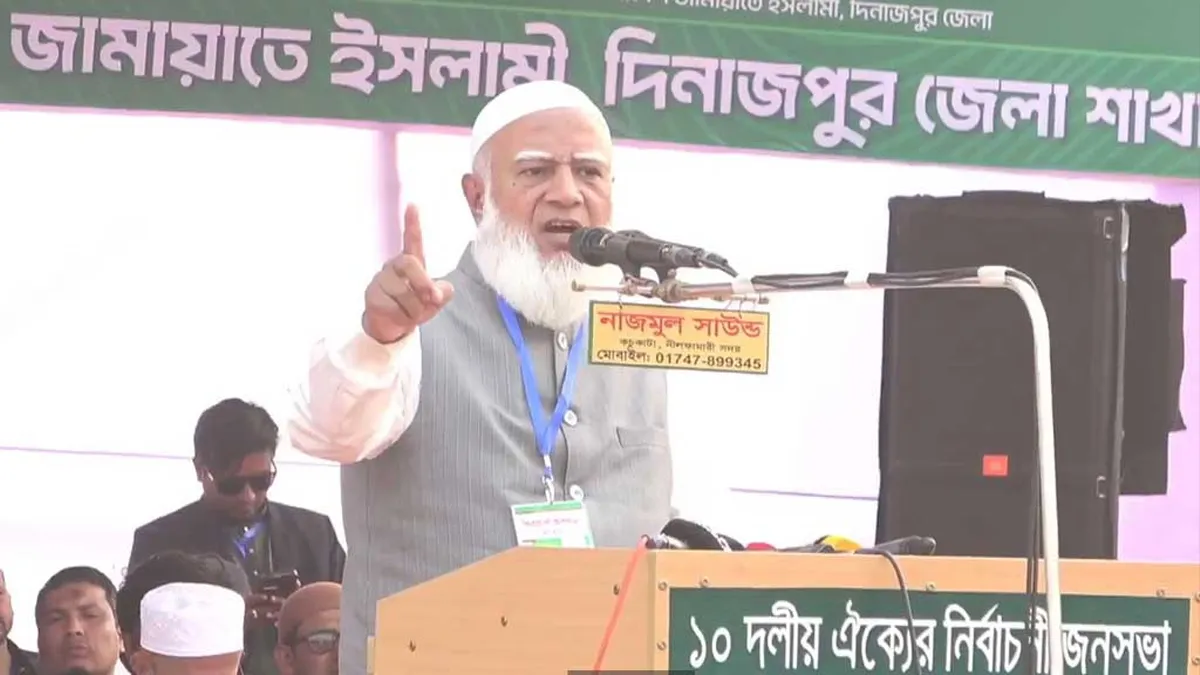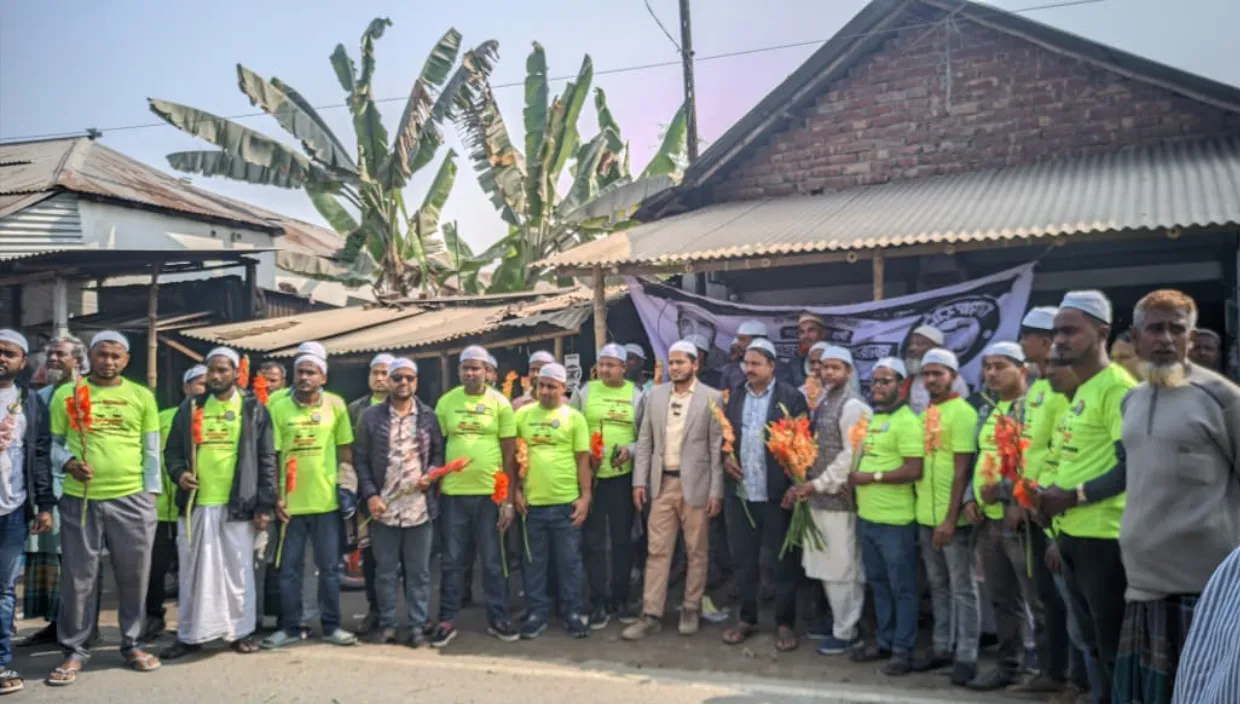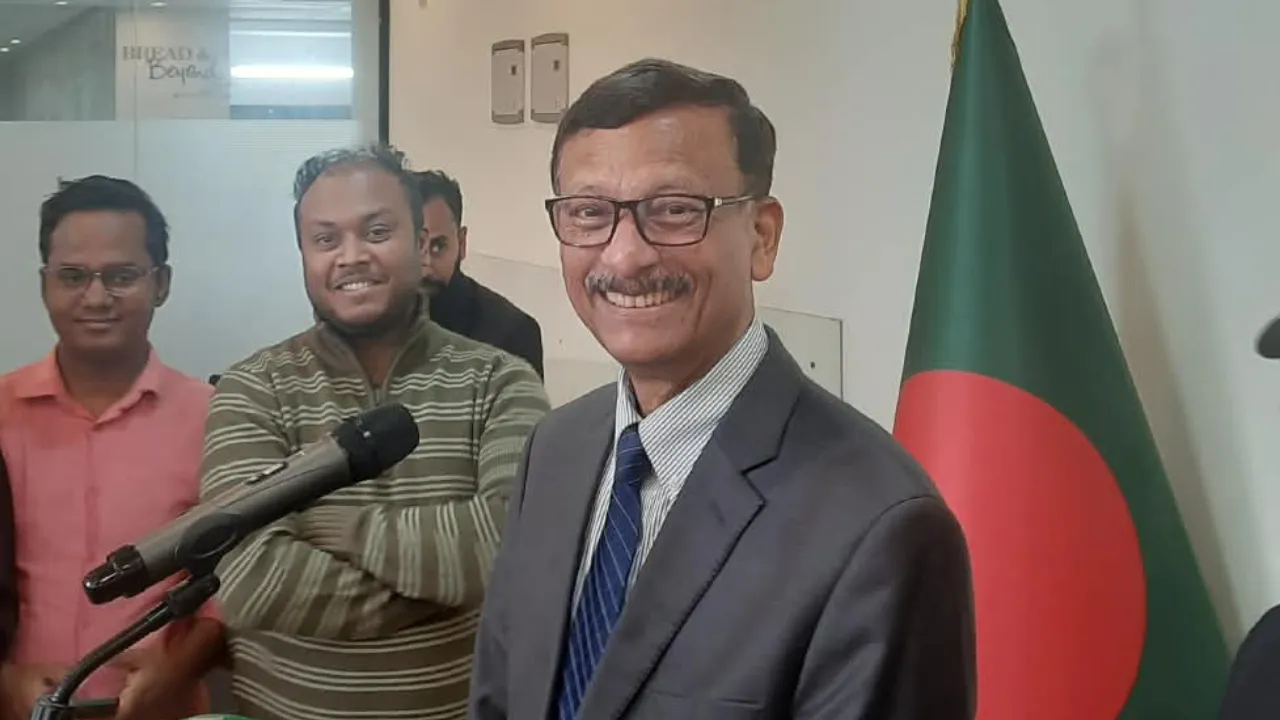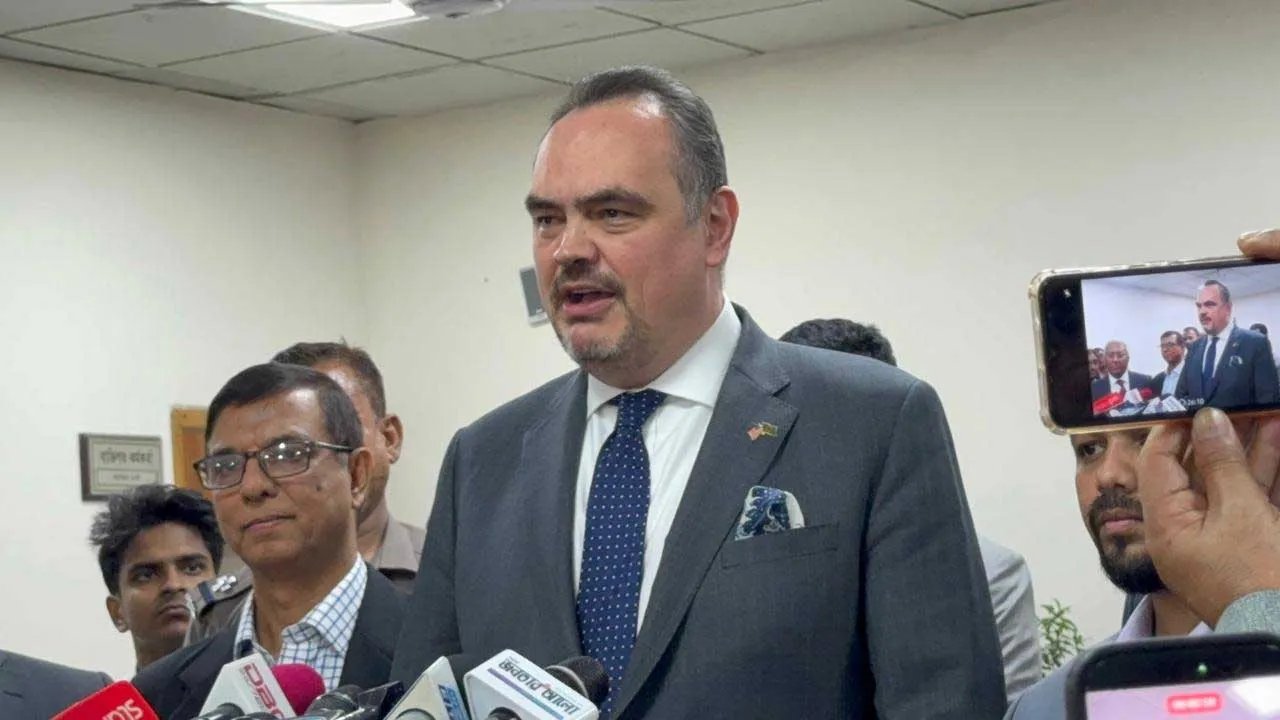

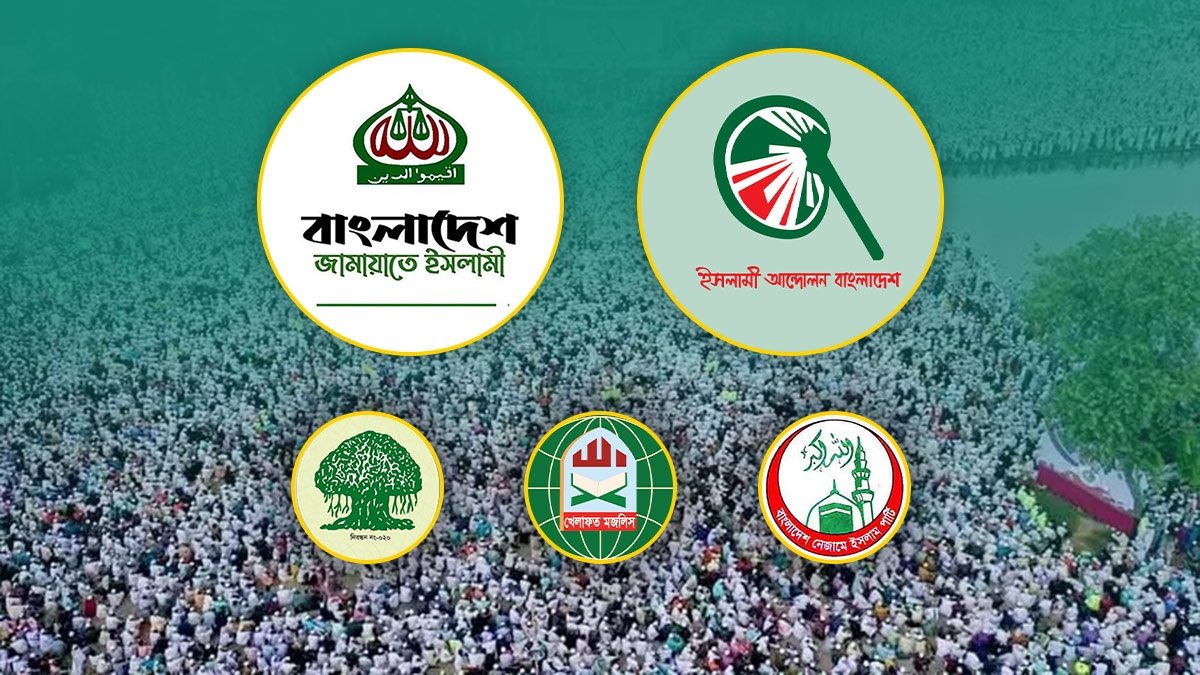
Leaders from both parties have emphasized that their focus is to participate in the upcoming elections through a "broader consensus." While they are not forming a traditional electoral 'alliance,' the leaders stated that they plan to coordinate their election strategies based on mutual understanding, without fielding candidates in each other's strongholds.
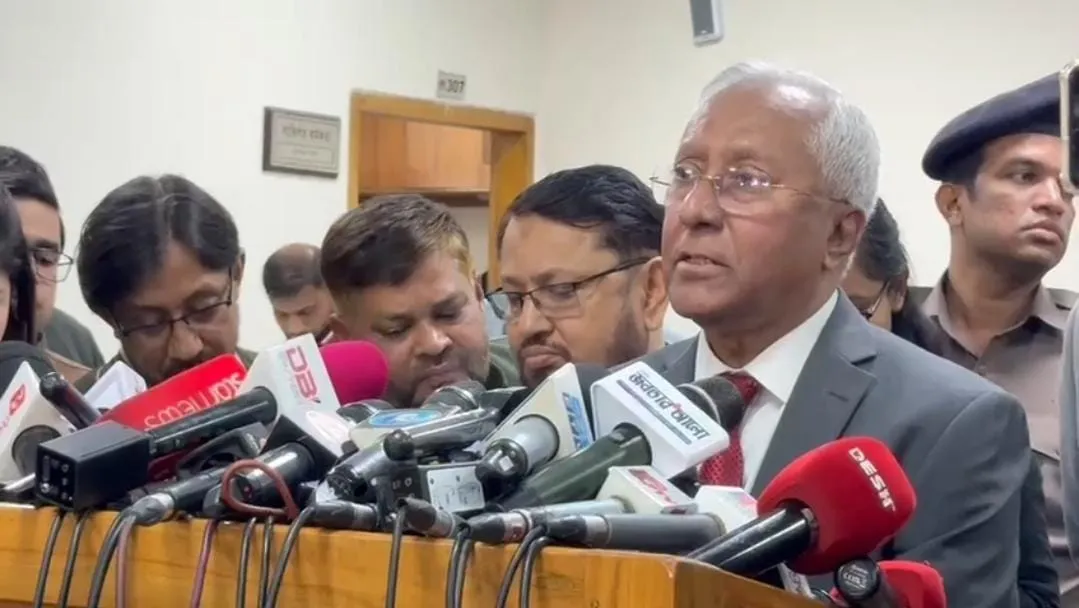
Ehsanul Mahbub Zubair, Assistant Secretary General of Jamaat-e-Islami, confirmed the ongoing negotiations during a conversation with on Saturday. He acknowledged that the process is still in its early stages and stated that reforms and a future charter would clarify the way forward for the election strategy. "After the reforms and the July Charter, we will understand how we will actually go to the elections," he added.
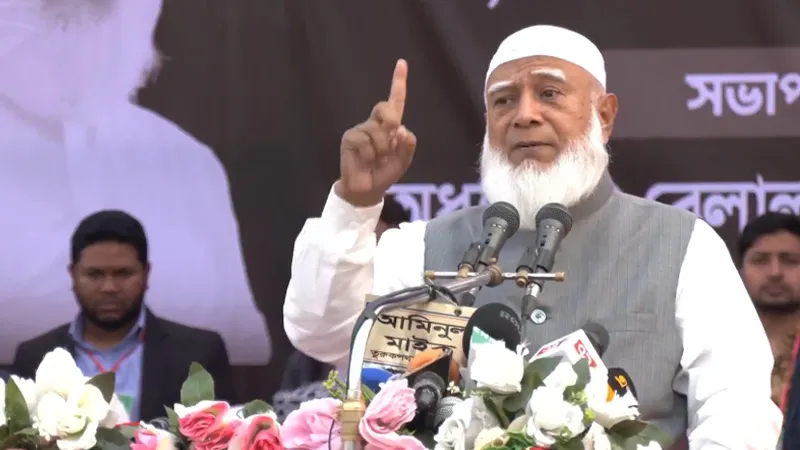
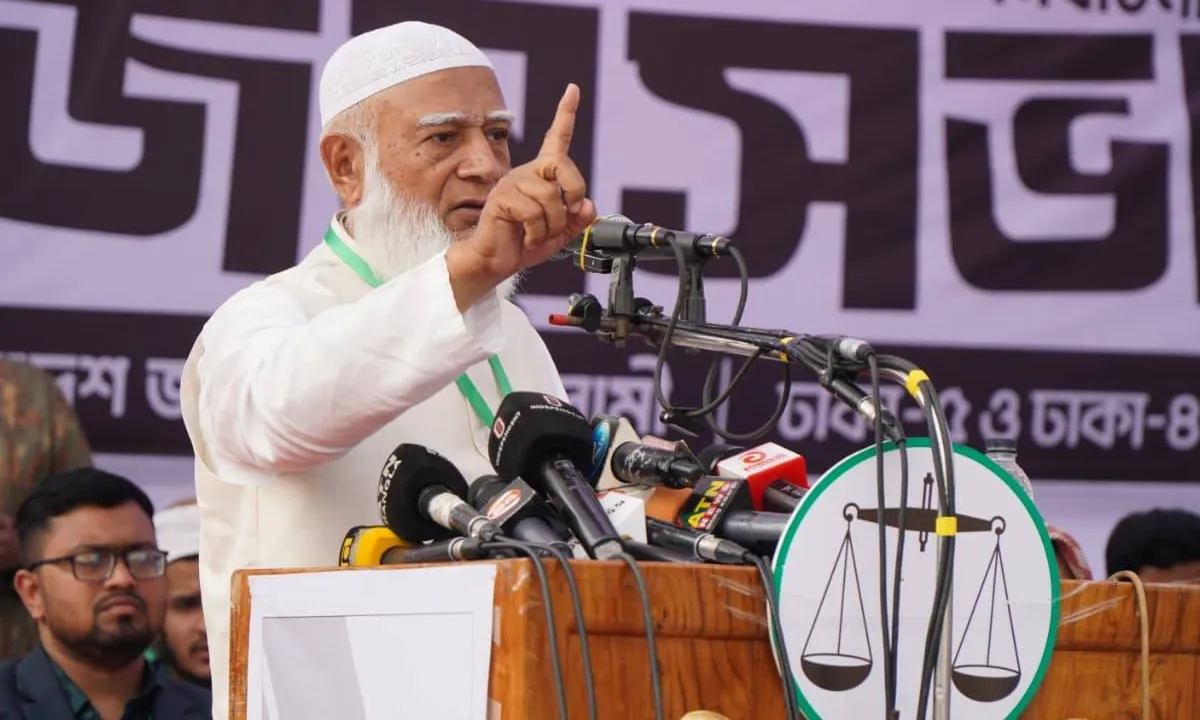
Islamic leaders are optimistic that the alliance of Islamic parties will become the dominant political force in Bangladesh. In a rally held at Suhrawardy Udyan in the capital, Mufti Syed Muhammad Rezaul Karim, Ameer of Islami Andolan Bangladesh, expressed that the desire for unity among Islamists is widespread, and the unified bloc would emerge as a major political player. "The allied Islamic parties will be the main political force in the future," he declared.
While some leaders from Jamaat-e-Islami participated in the rally at the invitation of the Islamic Movement, Zubair clarified that their participation was a political courtesy and did not signify a formal alliance.
Sheikh Fazlul Karim Maruf, central propaganda and dawah secretary of the Islamic Movement, stated that although there is strong consensus among the parties about contesting the next elections together, they would not form an electoral alliance. He explained, "We will not form any alliance this time. We will hold elections through compromise." Maruf went on to clarify that this would involve an agreement where parties would refrain from fielding candidates in each other's territories, aiming for cooperation rather than competition.
The ongoing discussions suggest that this unified effort may extend beyond just Islamic parties, with potential support from patriotic non-Islamic parties as well. "If we can participate in the election with a single policy and strategy, then Islamists will be the biggest political force in Bangladesh," said the Amir of the Islamic Movement.
The leaders of the various Islamic political groups are reportedly close to reaching a final agreement. Mia Golam Parwar, Secretary General of Jamaat-e-Islami, spoke at a recent event, expressing confidence that an agreement would be finalized soon. "The Islamic scholars, clerics, and ulama of the country have understood that it is important to have electoral unity among all Islamic forces in this election," he said.
As the nation prepares for the next parliamentary elections, it is anticipated that other parties, including Khelafat Majlis, Faraiji Andolan Bangladesh, Bangladesh Nejame Islam Party, and others, may also join the coalition. Ongoing discussions are focused on creating a unified electoral strategy, overcoming past differences, and setting aside previous disputes to work towards a common goal.
The national elections, expected to take place between early to mid-next year, are shaping up to be a pivotal moment in Bangladesh's political landscape, with these Islamic parties hoping to emerge as a powerful collective force.