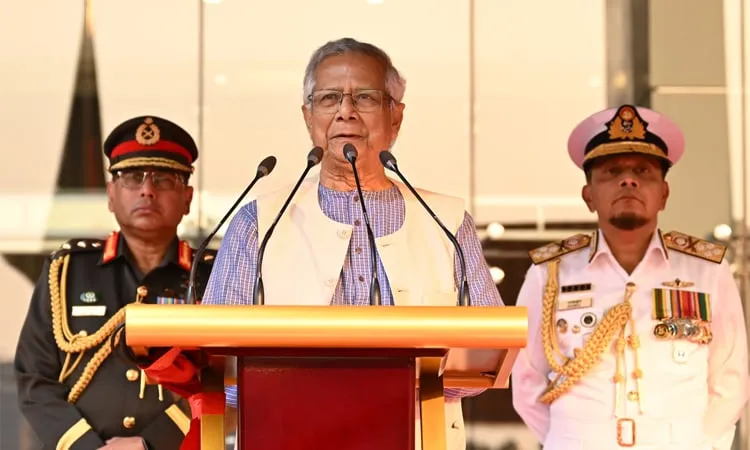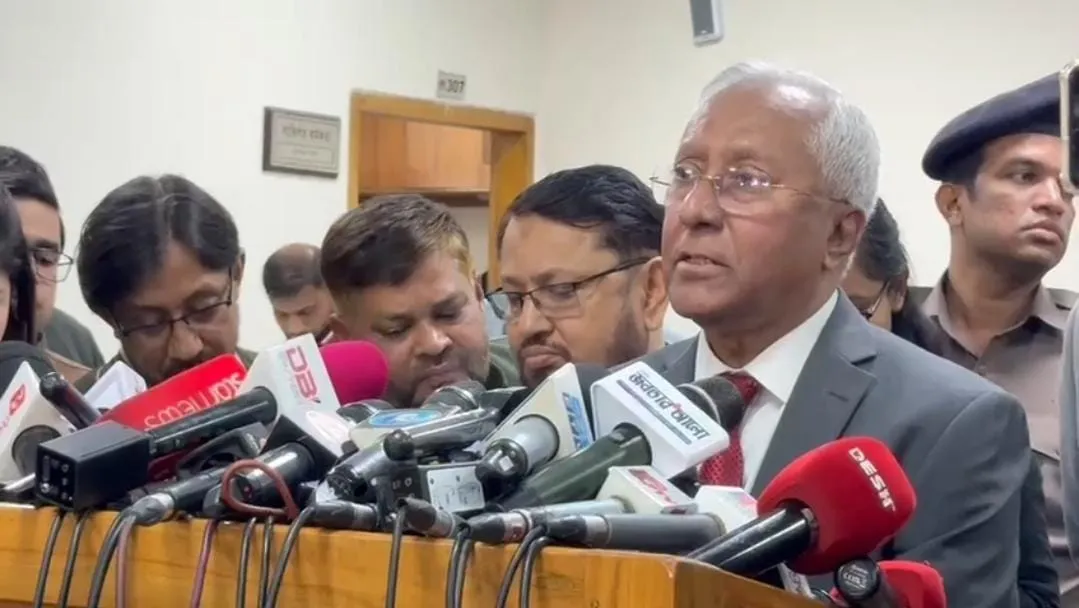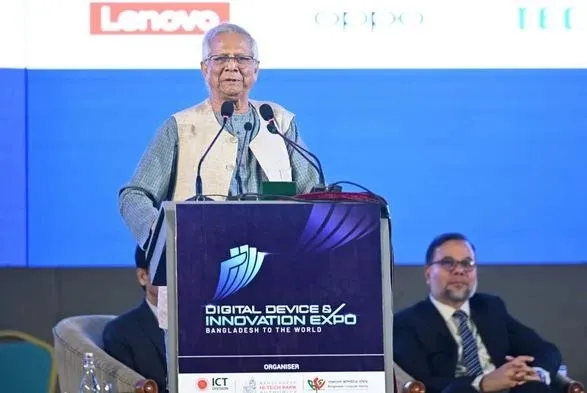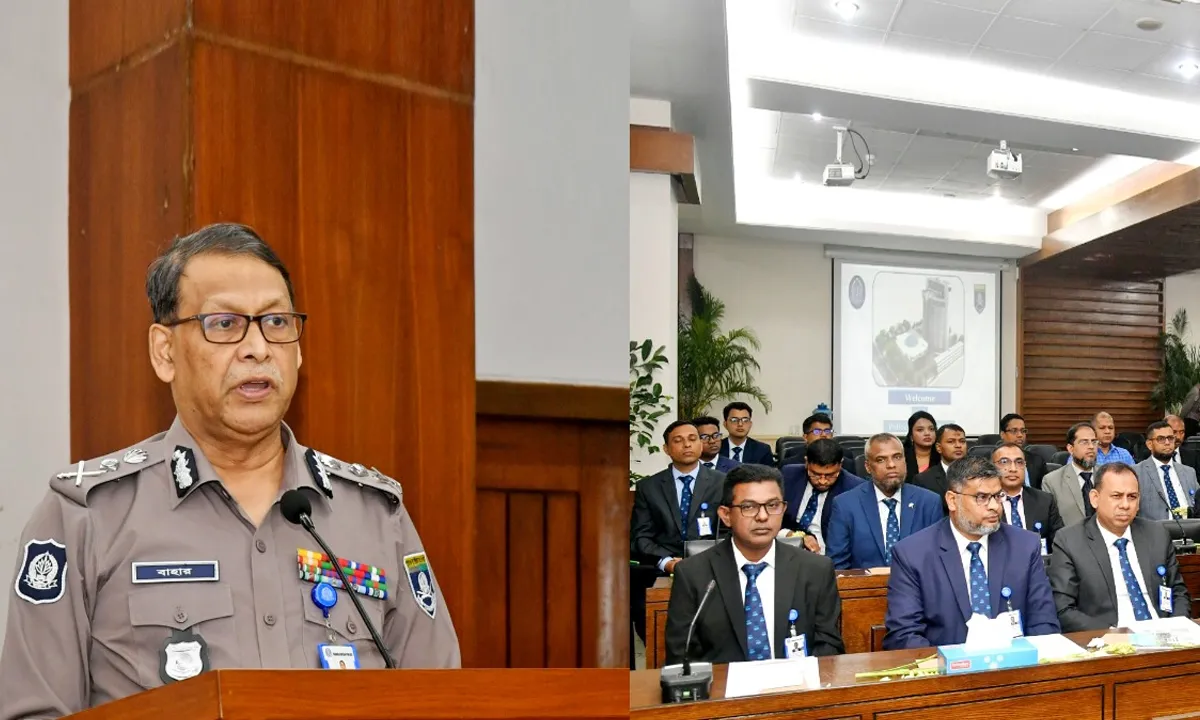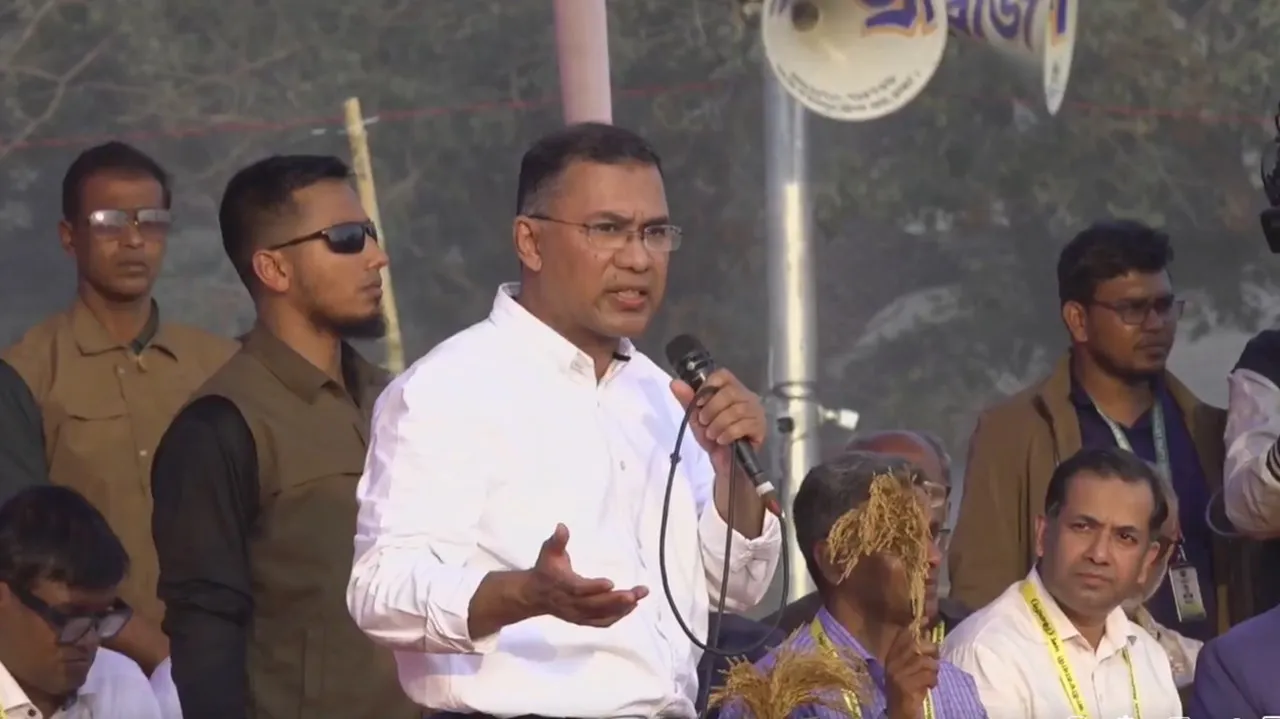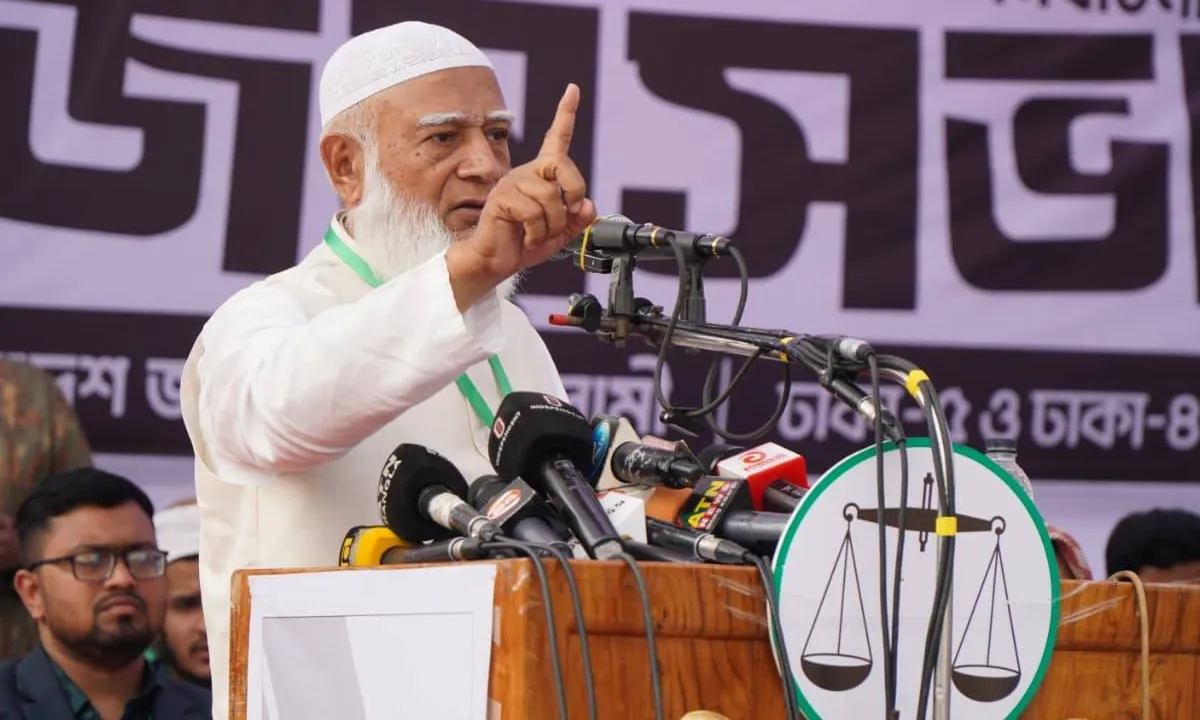

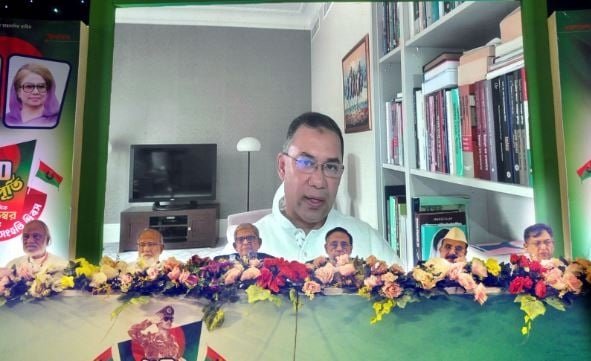
Full text of his speech is given below:
As I see it, November 7, 1975, was the day to identify the enemies and allies of Bangladesh.
Whenever we discuss Bangladesh’s Liberation War and every historical context of the country, one quote comes to my mind: “If you are always fixated on the past, one eye becomes blind; if you forget the past, both eyes are blind.”
Therefore, while we don’t need to dwell on practicing history all the time, ignoring lessons from history in shaping the future is also a historic mistake. Based on your important discussions about the historic November 7, 1975, I would like to share my thoughts.
Those who wanted to turn Bangladesh into a submissive state, those who sought to deny the people’s democratic and political rights to establish a one-party authoritarian rule, and those who tried to undermine the honor and glory of the nation’s army — a symbol of courage and dignity — were defeated on this day, November 7, 1975, through the historic revolution of patriotic soldiers and citizens.
After a long path of conspiracy, the defeated evil forces of November 7, 1975, later regrouped under the name of the Grand Alliance and again attempted to turn the country into a submissive state. They tried to weaken the army by carrying out a planned massacre at the BDR Pilkhana and deprived the people of their voting rights and democratic political rights to establish fascist rule in the country.
Through the sacrifices of thousand of martyrs, and the heroic uprising of the people, the country was freed from fascism after more than one and a half decades. BNP believes that the 1971 war was to achieve independence, and 2024 was for protecting the independence of the country and the people.
Therefore, our main commitment of this November 7 should be that no one in the future can violate the rights of the country or its people or turn the country into a submissive state. Achieving this commitment requires national unity. We must wholeheartedly embrace the spirit of the November 7 revolution of the soldiers and the people to maintain national unity in Bangladesh’s socio-economic, geographical, and political realities.
From the 1971 Liberation War, the November 7, 1975, revolution of the soldiers and the people against submissive evil forces, the 1990 anti-autocracy movement, to the 2024 anti-fascist mass uprising, every revolution and uprising in history had one central desire. What is that? This was to establish the rights of the people in an independent Bangladesh.
Even in freeing the country from the clutches of a one-and-a-half-decade-long fascist cycle, countless people lost their lives. Just in July–August, more than 1,500 people were martyred. Why did students, citizens, women, men, farmers, and workers take to the streets in the movement to overthrow fascism?
We need to understand that the people took to the streets to establish their rights in the state and politics. As a political worker, I believe that countless people did not sacrifice their lives to establish the rights of a particular political party or to create bargaining opportunities for them.