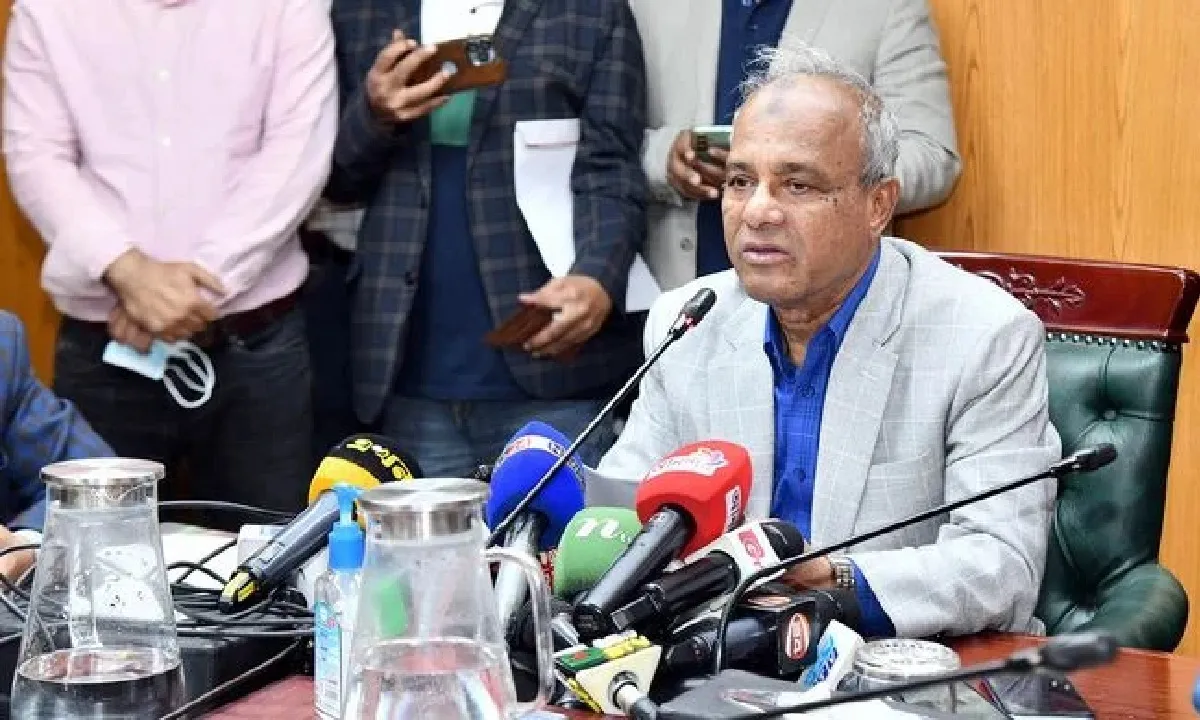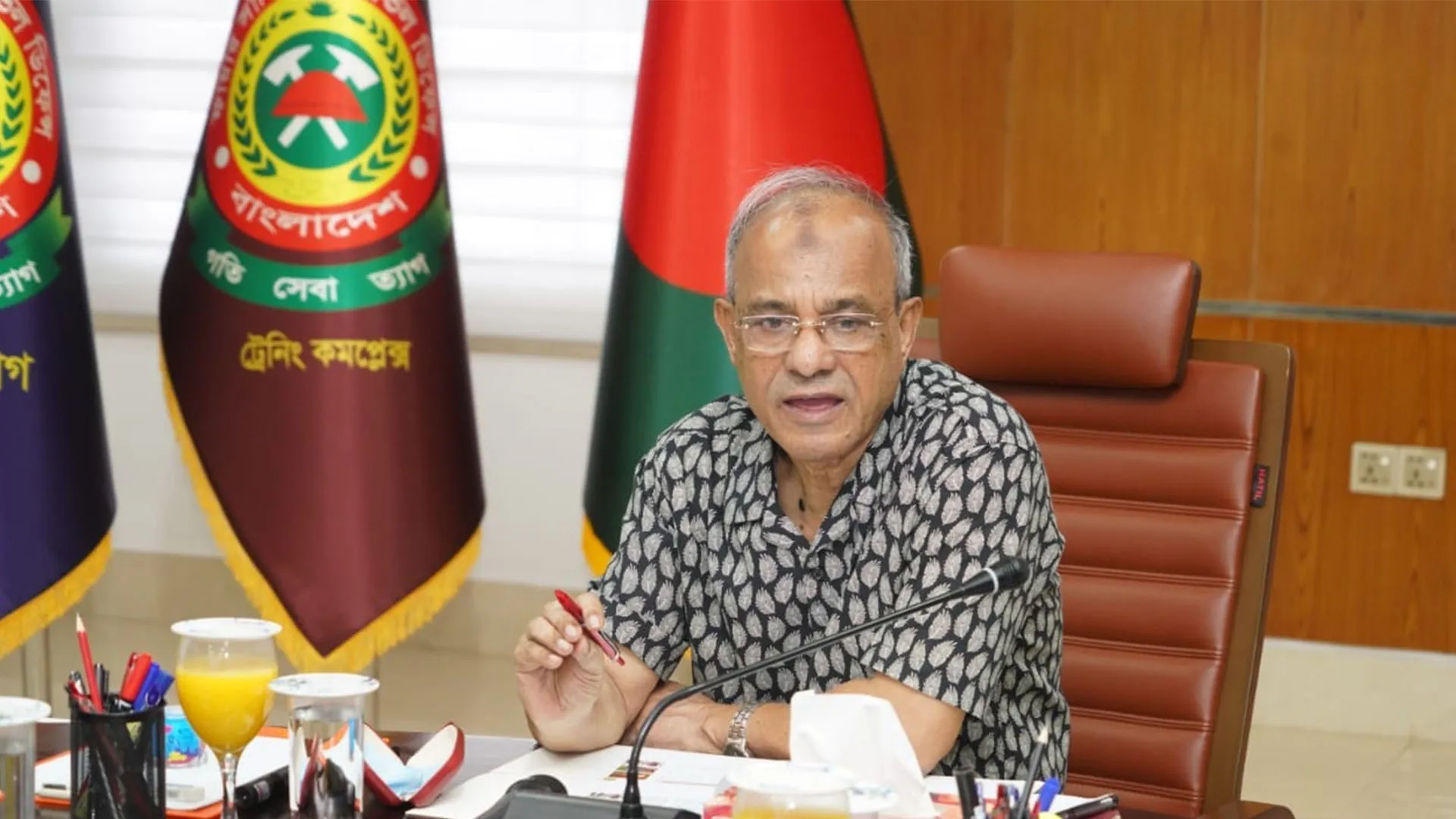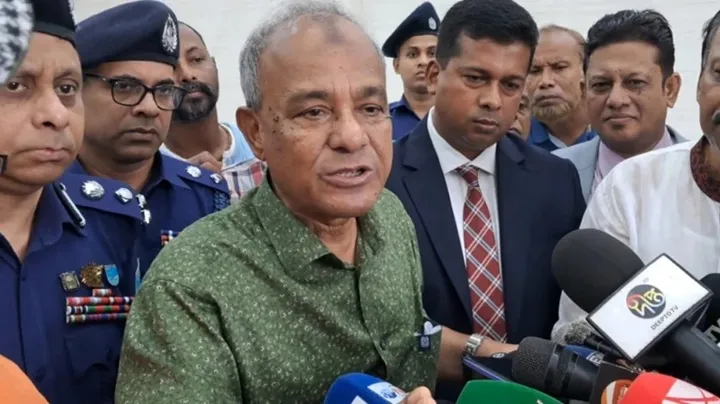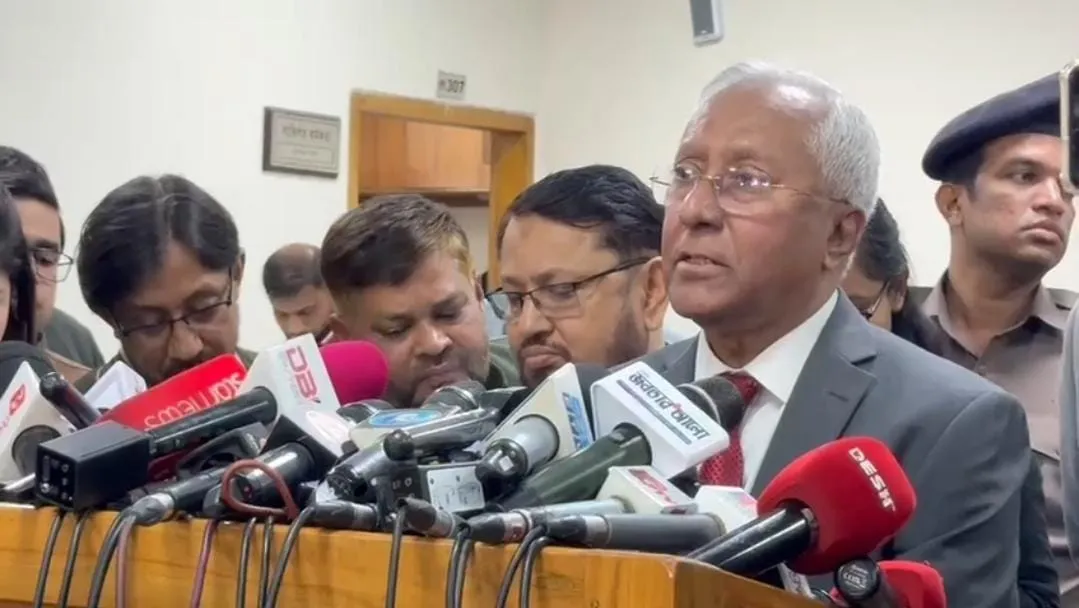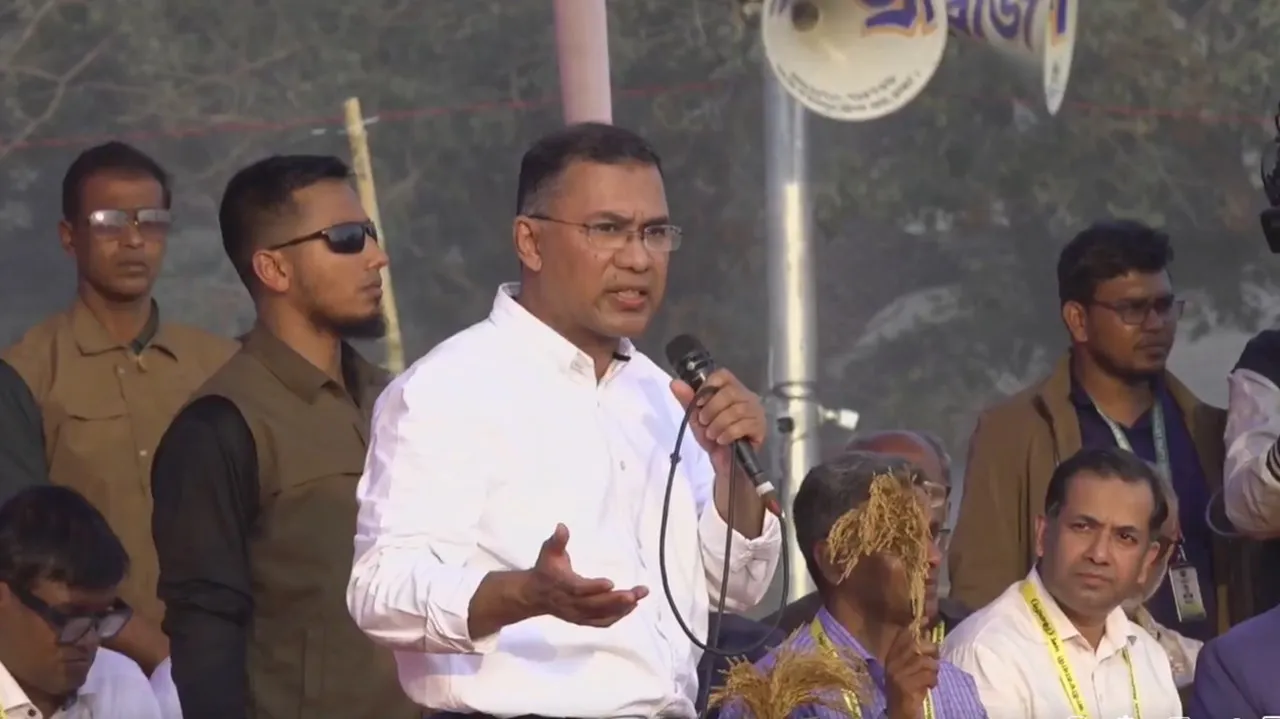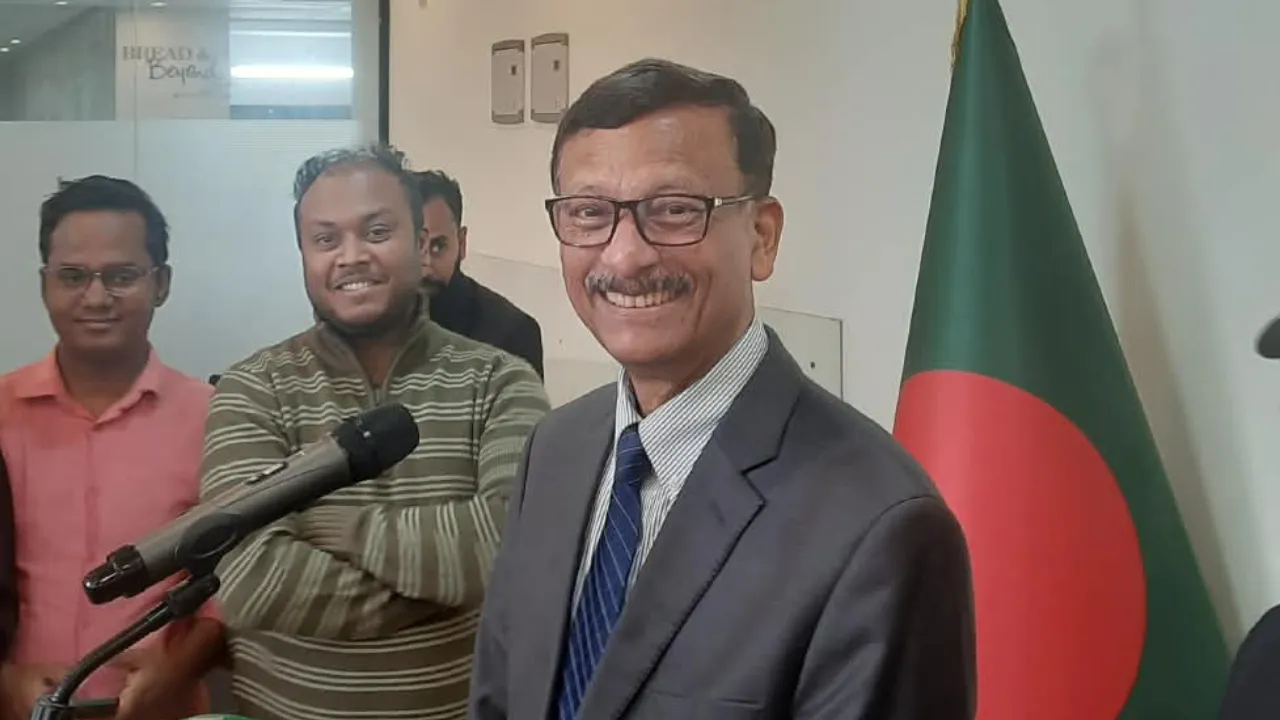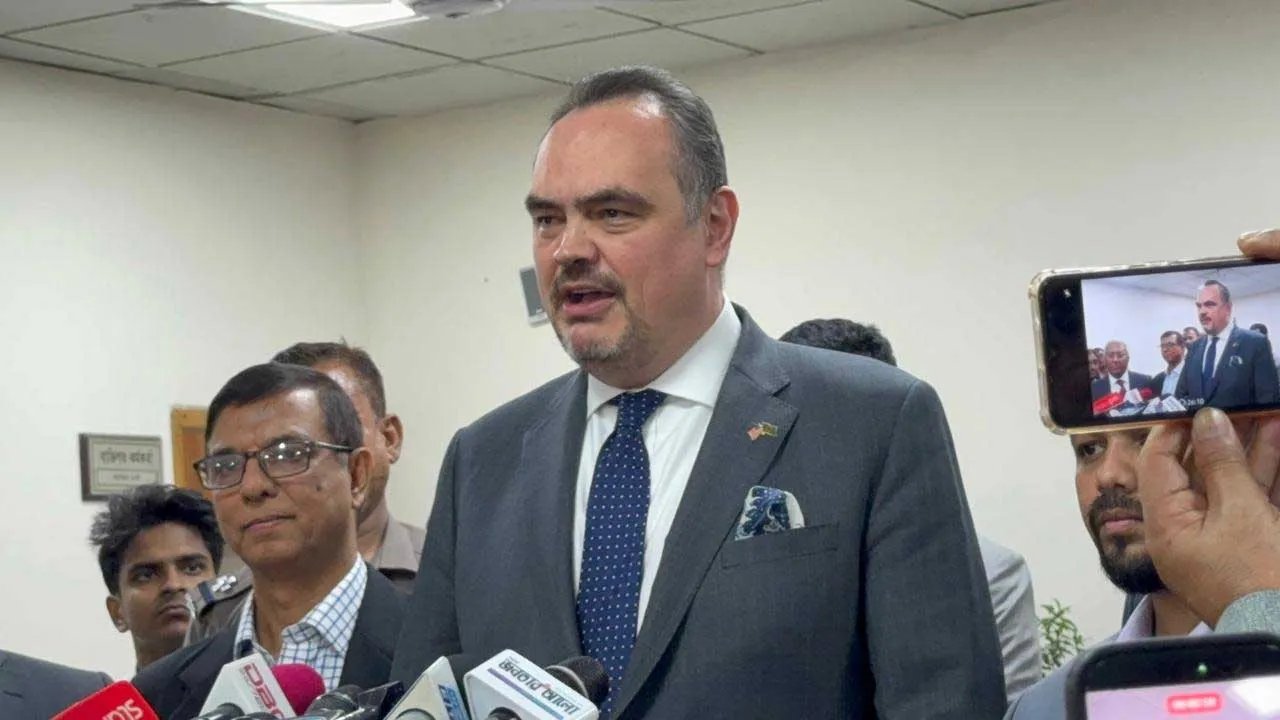

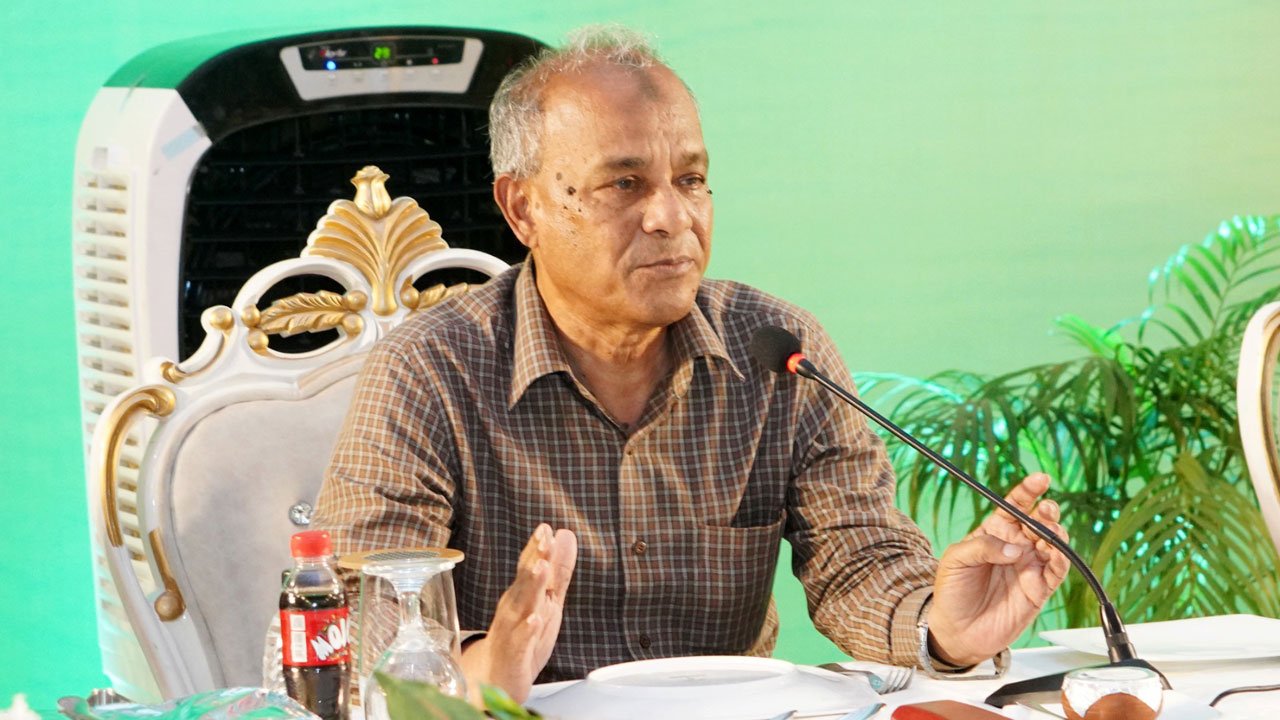
Speaking to reporters after a meeting on the Annual Development Program (ADP) at the Ministry of Agriculture on Wednesday afternoon, the advisor said the draft policy is now in its final stage. “A national-level meeting has already been held to finalize the policy, and it is expected to be completed soon — hopefully by next month or the month after that,” he said.
When asked specifically if the policy would be ready by December, Jahangir Alam replied, “It is expected.”
Addressing concerns about fertilizer supply and pricing, the advisor assured that there is no shortage of fertilizer in the country.
“Today, we had detailed discussions on fertilizer management, pricing, and the upcoming policy. By the grace of God, we have sufficient stock. The price will not increase — in fact, it is currently declining,” he said.
He also urged farmers to reduce excessive use of urea, saying that while urea makes plants appear greener, it does not increase yield and can damage soil quality. He noted that DAP fertilizer also contains 20 percent urea and should be used with caution.
Explaining the objectives of the upcoming policy, Jahangir Alam said it aims to curb corruption and irregularities in fertilizer licensing.
“In the past, one person could receive multiple licenses — sometimes even three within one family. Under the new policy, a dealer can sell all types of fertilizers from one shop with a single license,” he said, adding that a central committee will be formed to oversee new license issuance.
He added that the policy will also eliminate unnecessary and illegal licensing practices that have long plagued the sector.
When asked about the impact of rising gas prices on fertilizer production, the advisor clarified that it would not affect farmers.
“Although gas prices at fertilizer factories range between Tk 16 and Tk 40, the government will continue to subsidize the difference. Farmers will pay the same rate as before,” he assured.
The advisor highlighted strong performance in recent harvests, noting that Boro Aman rice production increased by about 1.5 million metric tons last season. “Harvesting of the current Aman crop has begun. If weather conditions remain favorable, we expect another bumper yield this year,” he said.
He, however, expressed concern over low potato prices, saying farmers are suffering losses despite bumper production. “When production is good, farmers often suffer due to low prices,” he said.
According to the advisor, onion production has been satisfactory this season.
“Thanks to government-supplied air flow machines and farmers’ efforts, we won’t need to import onions this time. Market prices are currently at a tolerable level (Tk 70–80 per kg). If prices fall too low, farmers will be affected,” he explained.
He added that summer onion production has already started and winter vegetables are entering the market with good yields. Prices of vegetables such as cauliflower remain high due to higher early-season production costs.
“Among vegetables, the prices of potatoes and papayas are very low. If farmers don’t get fair prices, they may stop cultivating these crops, which could create a crisis in the future,” he warned.
Jahangir Alam also revealed that the government is working on a 25-year long-term food grain plan and new legislation to ensure future food security.
He emphasized the need for the Agricultural Land Protection Act, saying, “Agricultural lands are shrinking as more houses are built, while the population continues to rise. To avoid dependency on imports, we are enacting this law. Under it, no infrastructure will be allowed on designated crop lands.”
The advisor announced the launch of a new digital tool called the “Khamari App”, developed to assist farmers in planning crop cultivation.
“Using this app, farmers will be able to know which crops are most suitable for their land and how much fertilizer they should use,” he said.
The Agriculture Advisor concluded that the government’s coordinated initiatives — from policy reforms to digital support — aim to ensure sustainable agricultural growth, fair pricing for farmers, and long-term food security for the nation.