
He also dismissed the possibility of holding a referendum before the national election, saying, “There is no scope for a referendum before the polls. On election day itself, people will cast two ballots one for their preferred candidate and another for the referendum.”
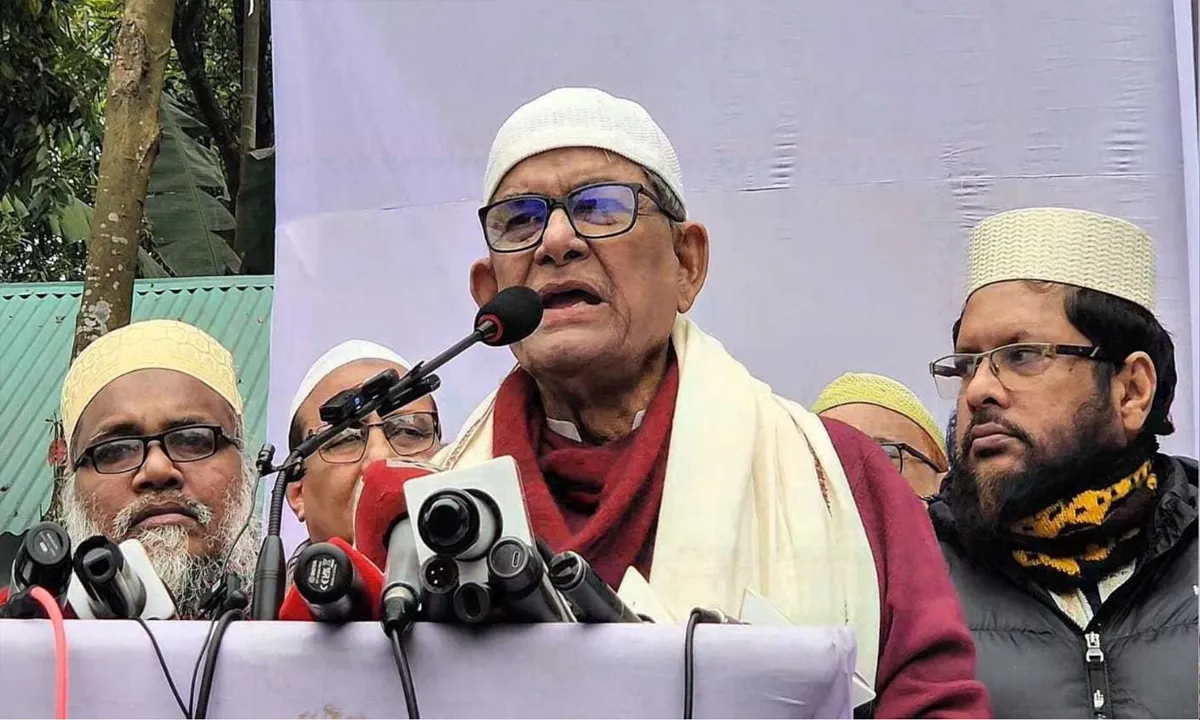
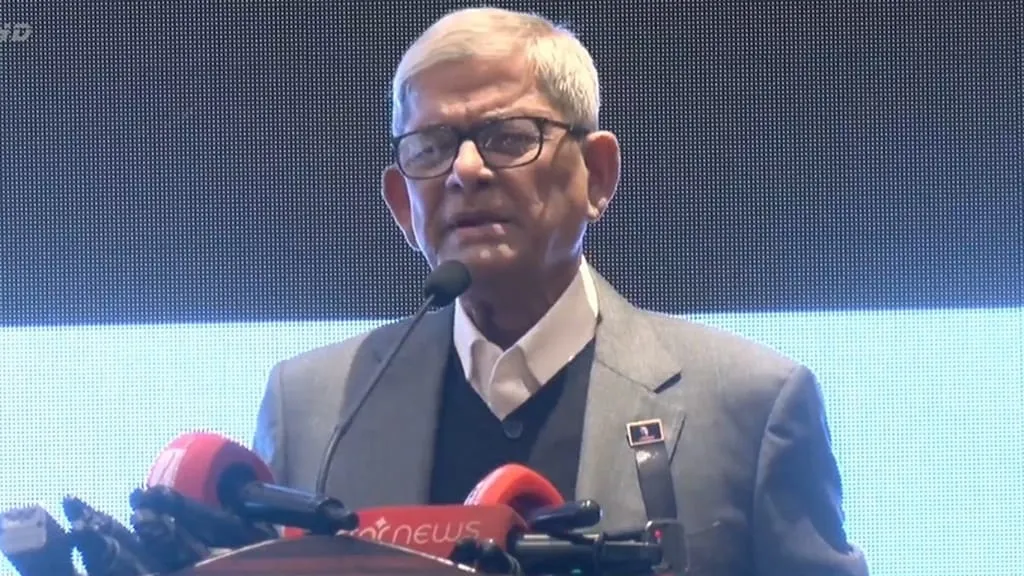
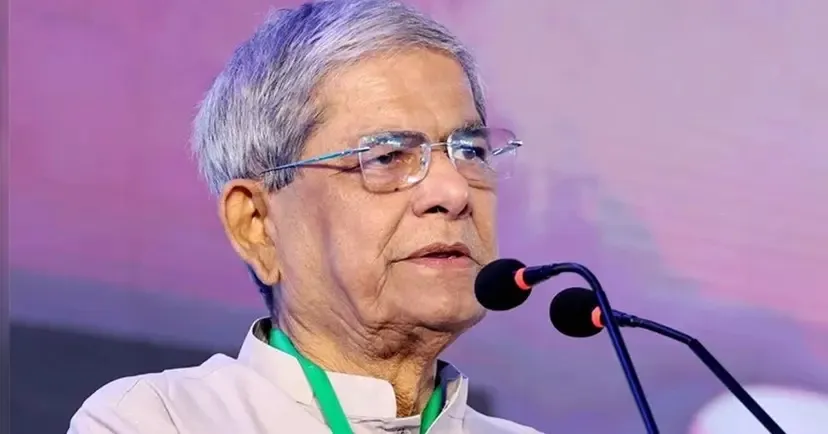
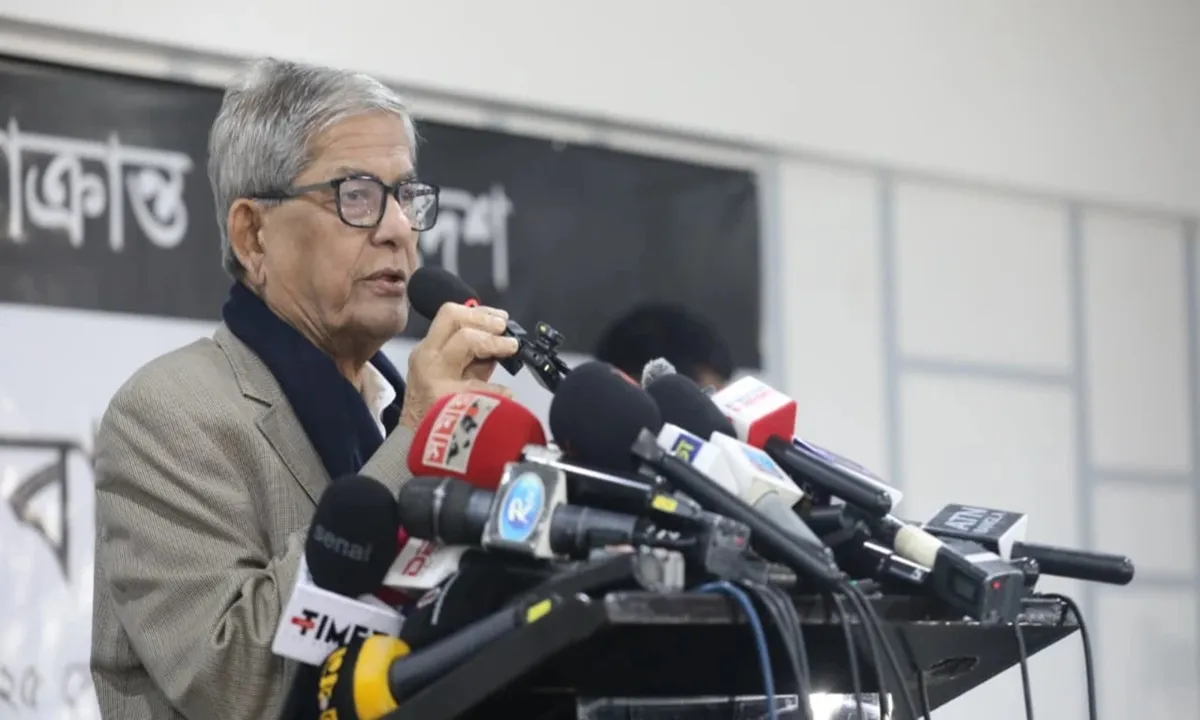
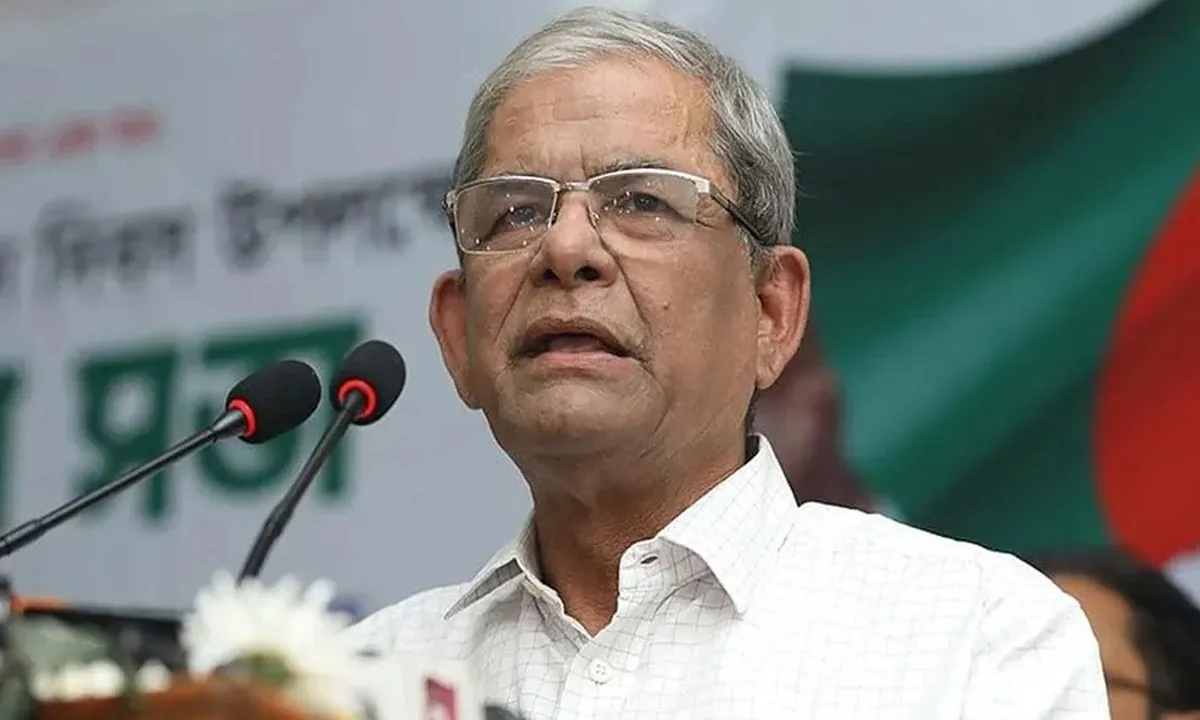
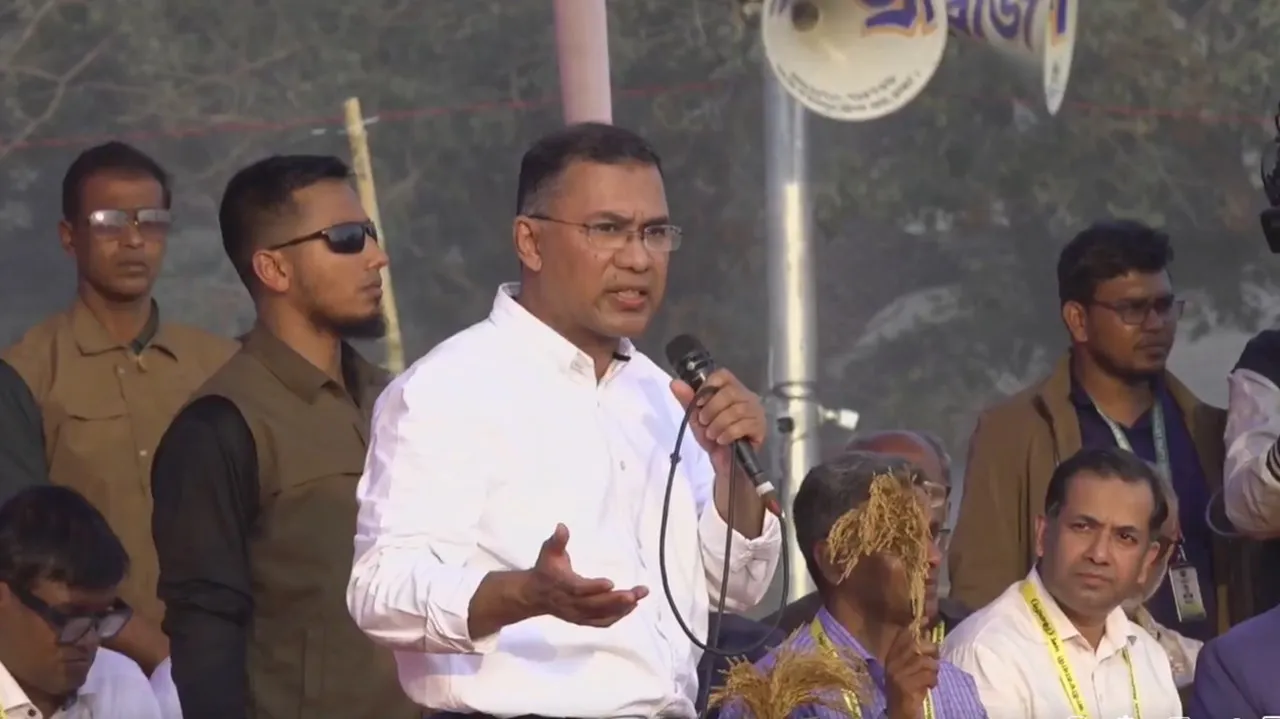
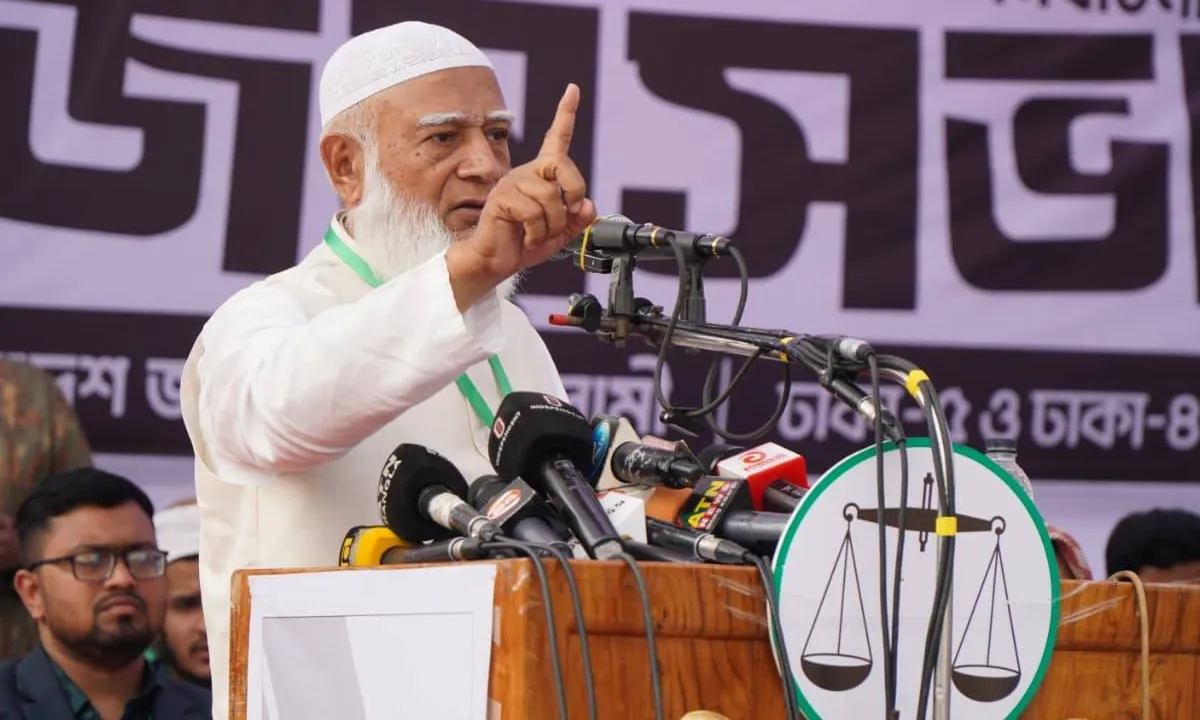
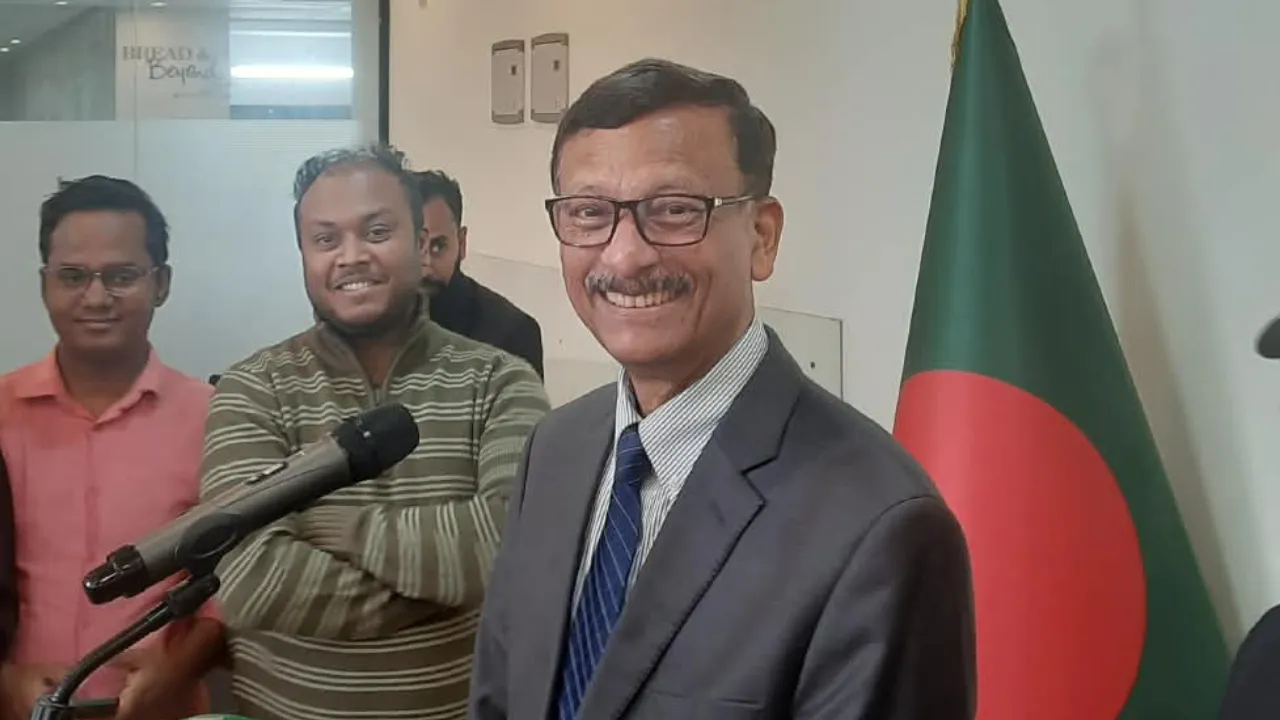
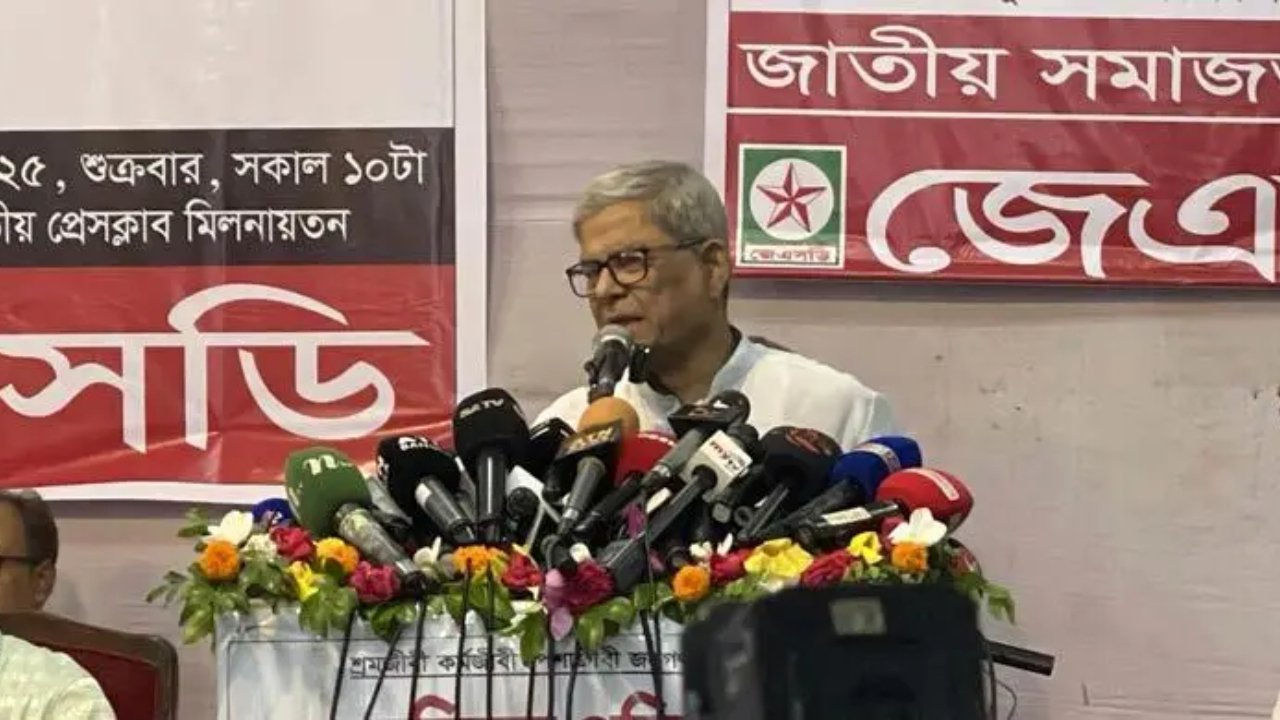
Mirza Fakhrul made the remarks while addressing a discussion meeting at the National Press Club auditorium on Friday (October 31), marking the 53rd founding anniversary of the Jatiya Samajtantrik Dal (JSD).
“The responsibility for the country’s current political deadlock lies entirely with the interim government,” Fakhrul said, adding that the National Consensus Commission, formed under the interim government, held discussions on various reform proposals for nearly one year and eight to nine months.
He said, “We reached agreements on many issues, though we also had differences. For those points of disagreement, we submitted a note of dissent that was the rule. Despite differences, there was a broad consensus on the main reform issues.”
Fakhrul recalled that when the final consensus document was submitted to the Chief Advisor, the BNP’s note of dissent was missing. “It was raining that day I remember it clearly. All political parties signed the document holding umbrellas. But when it was presented to the Chief Advisor, our notes of dissent were gone. That was a breach of trust. They deceived the people,” he said.
He alleged that by concealing the dissenting opinions, the interim government had “betrayed the people” and failed to uphold the credibility expected of them. “Therefore, the responsibility for the present political crisis lies entirely with the interim government,” he reiterated.
Describing BNP as a “party of reforms,” Fakhrul said the party was founded to restore multi-party democracy. “BNP was born through reforms. In 1979, martyred President Ziaur Rahman established BNP to transition Bangladesh from a one-party rule to a multi-party democracy. At that time, all newspapers were shut down he reopened them and restored the people’s fundamental rights,” he said.
He added that both political and economic reforms were initiated by Ziaur Rahman, while Begum Khaleda Zia introduced the caretaker government system through constitutional amendment after returning to a parliamentary system. “Four credible national elections were held under that caretaker government system,” Fakhrul noted.
The discussion was also addressed by JSD President ASM Abdur Rab, General Secretary Abdul Malek Ratan, and party leaders and activists from different levels.