
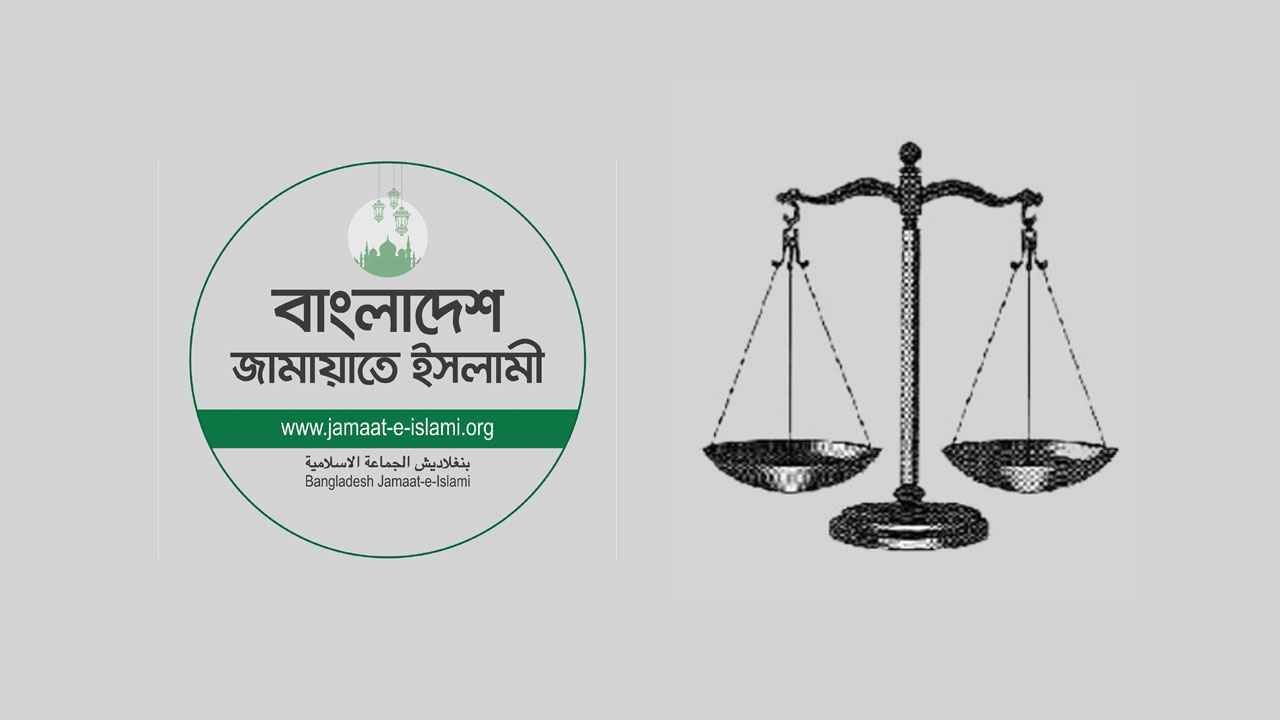
In a significant legal and political development, Bangladesh’s Supreme Court has reinstated the official registration of Jamaat-e-Islami, the country’s largest Islamist political party, years after it was declared illegal by the judiciary and de-registered by the Election Commission.
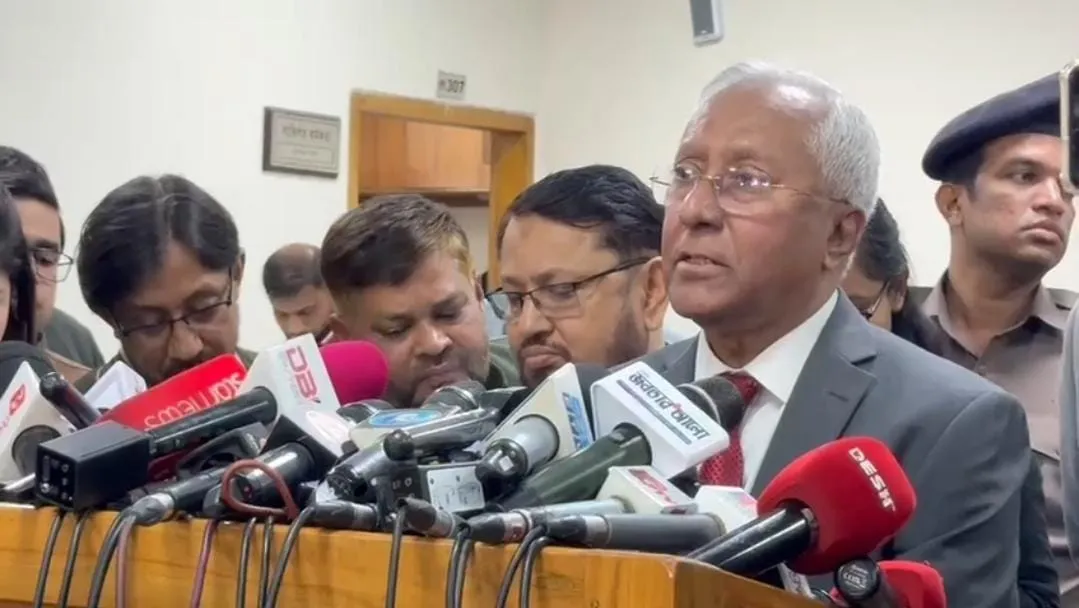
At 10:05 AM on Sunday, a four-member bench of the Appellate Division led by Chief Justice Dr. Syed Refat Ahmed delivered the verdict, directing the Election Commission to immediately implement the ruling.
Legal team and background
Jamaat-e-Islami was represented in court by a legal team including Barristers Ehsan Abdullah Siddiq, Imran Abdullah Siddiq, Advocate Mohammad Shishir Monir, Barrister Najib Momen, and Barrister Mir Ahmed Bin Quasem.
The legal battle traces back to 2009 when 25 petitioners — including Syed Rezaul Haque Chandpuri of the Tariqat Federation, Munshi Abdul Latif of the Zaker Party, and Maulana Ziaul Hasan of the United Islamic Alliance — challenged Jamaat’s registration on constitutional grounds.
In August 2013, a High Court bench comprising Justice M Enayetur Rahim and Justice Kazi Reza-Ul Haque ruled Jamaat’s registration illegal and void. This was followed by the Election Commission's formal cancellation of the party’s registration in October 2018.
Political shift
On August 5 — two months after the fall of the Hasina government — the previously rejected appeal seeking restoration of Jamaat's registration was revived by the Appellate Division, culminating in today’s historic judgment.
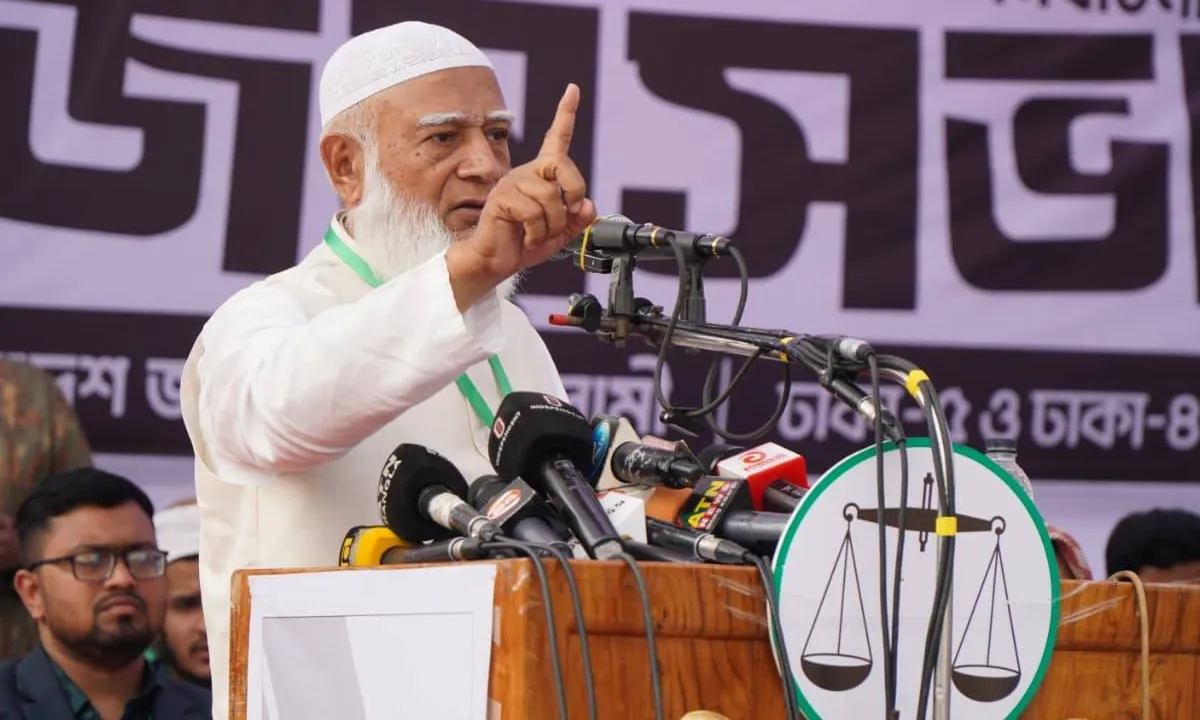
While the court ordered the restoration of Jamaat’s registration, it left the decision over whether the party would be allowed to use its traditional electoral symbol — the scales — to the discretion of the Election Commission.
Implications
The verdict marks a potential turning point in Bangladesh’s political landscape, opening the door for Jamaat-e-Islami to re-enter the electoral process after years of legal and political isolation.
With shifting political tides in the country, Jamaat’s return could have far-reaching consequences for upcoming elections and broader Islamist political mobilization.