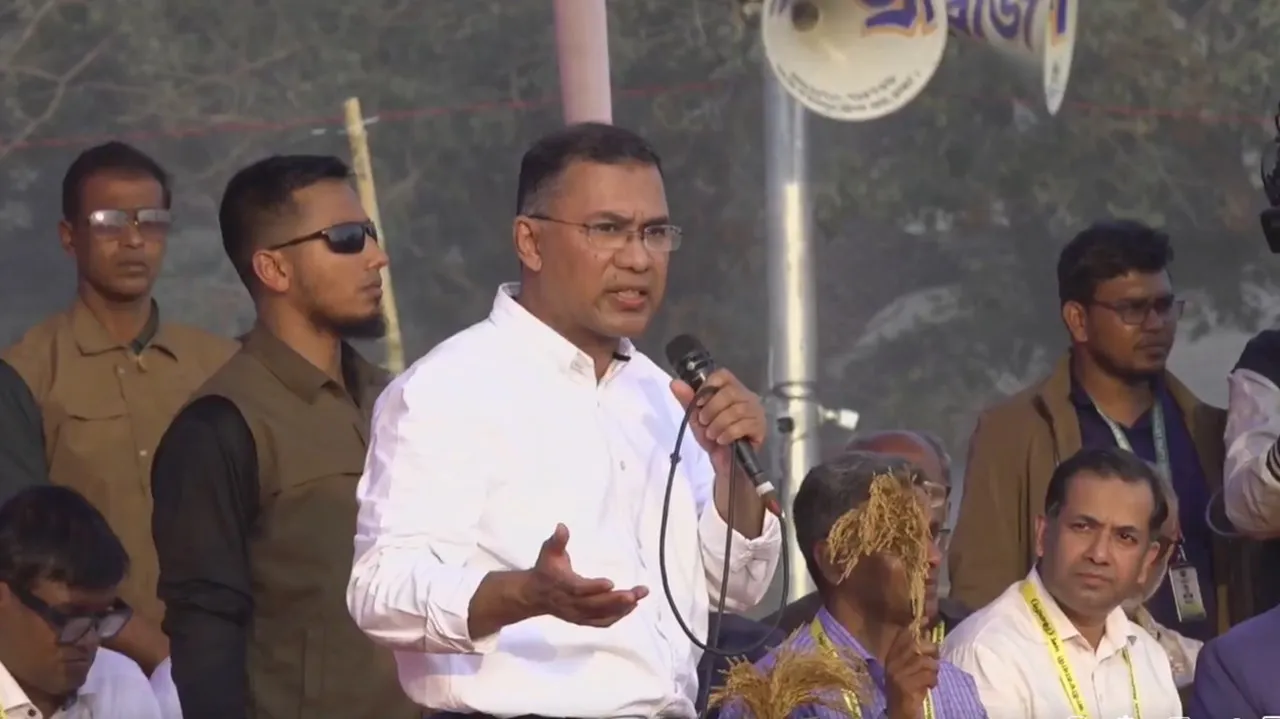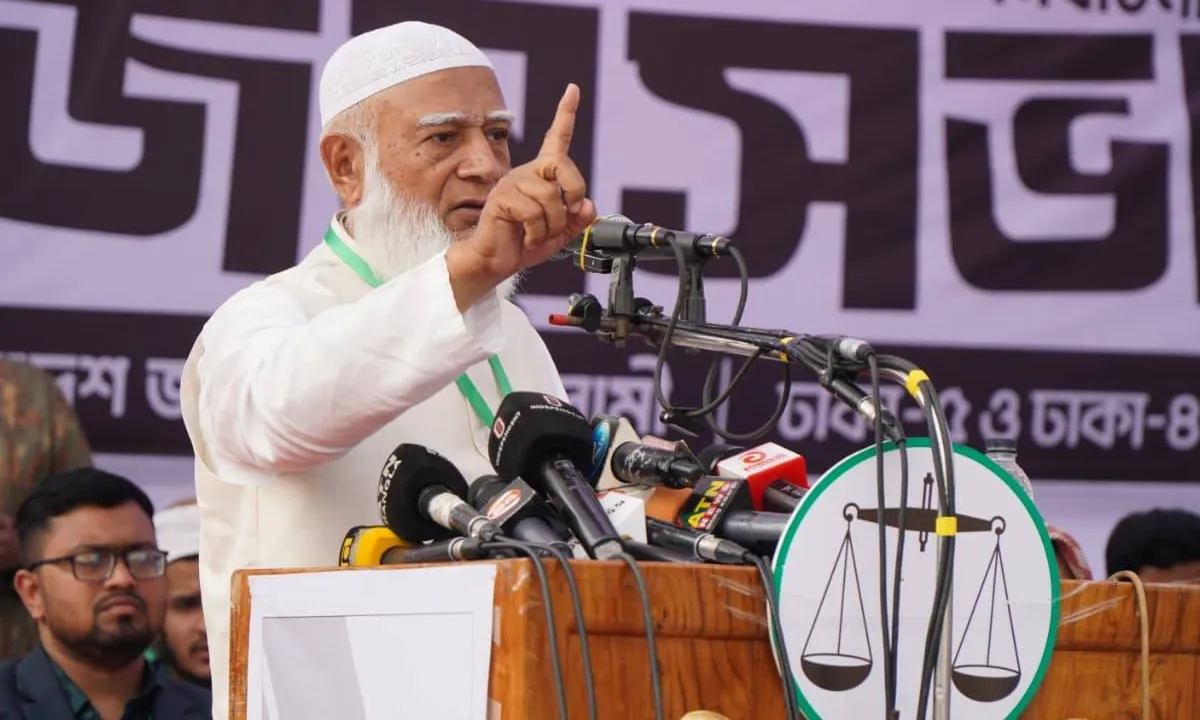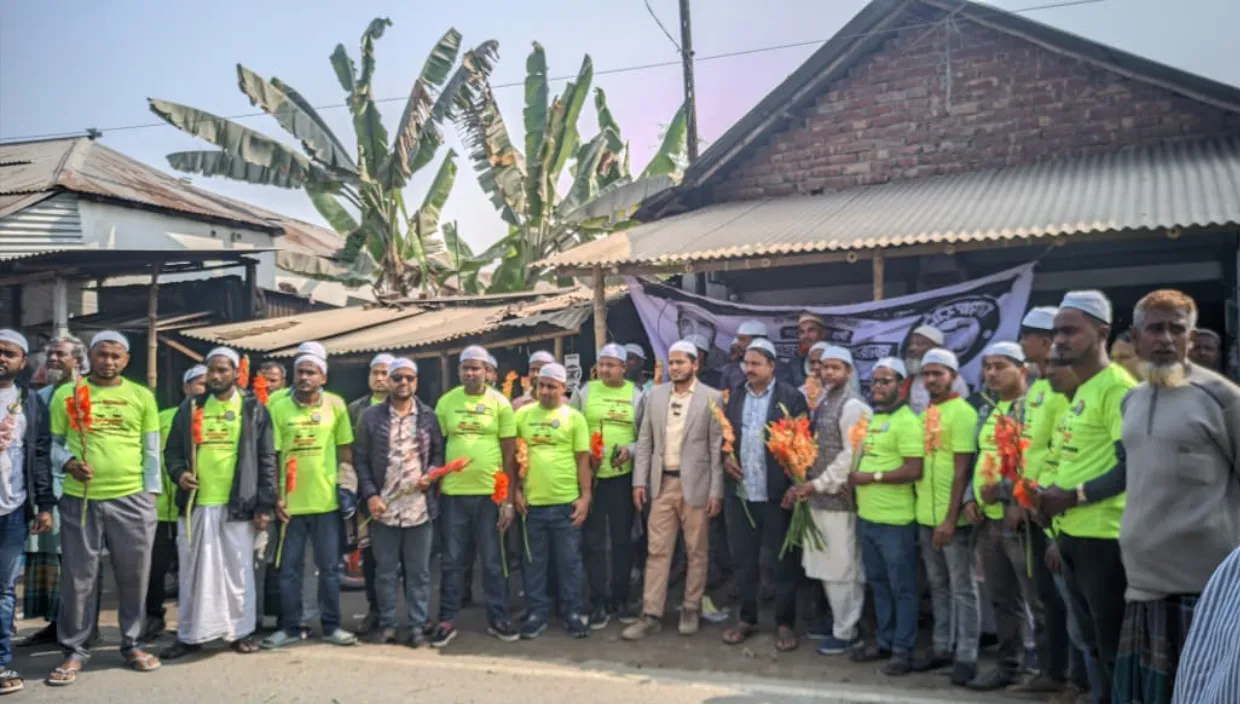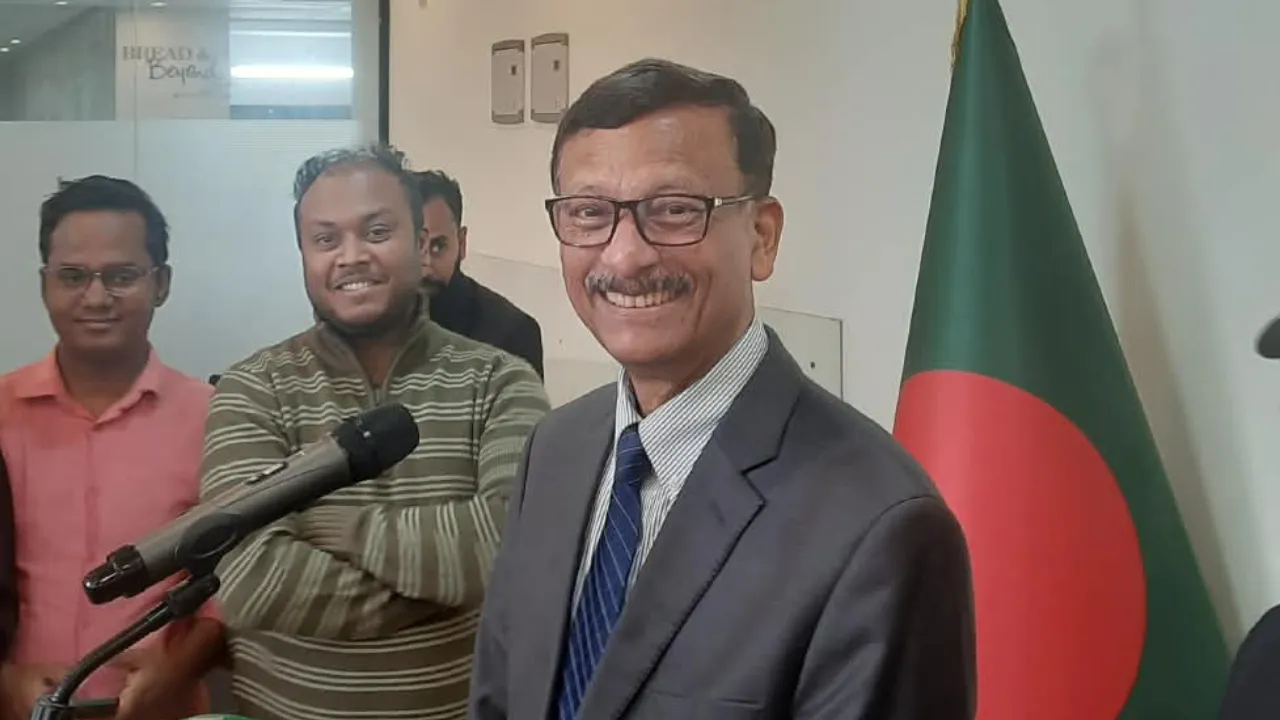

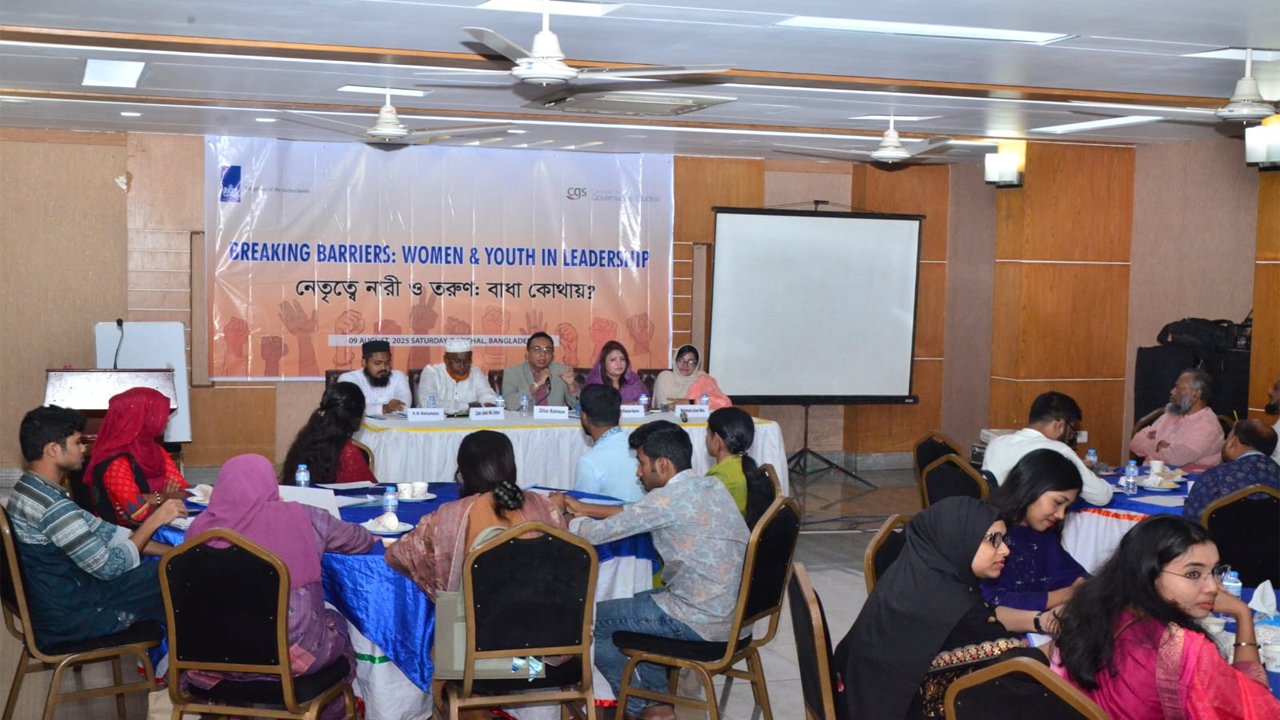
The event brought together representatives from various political parties, young politicians, women leaders, and members of civil society to discuss barriers and opportunities for women in politics, and to encourage youth activists to challenge gender norms in political leadership. The colloquium was part of CGS’s ongoing project “Empowering Women and Youth in Politics”, supported by the Embassy of the Kingdom of the Netherlands in Bangladesh.
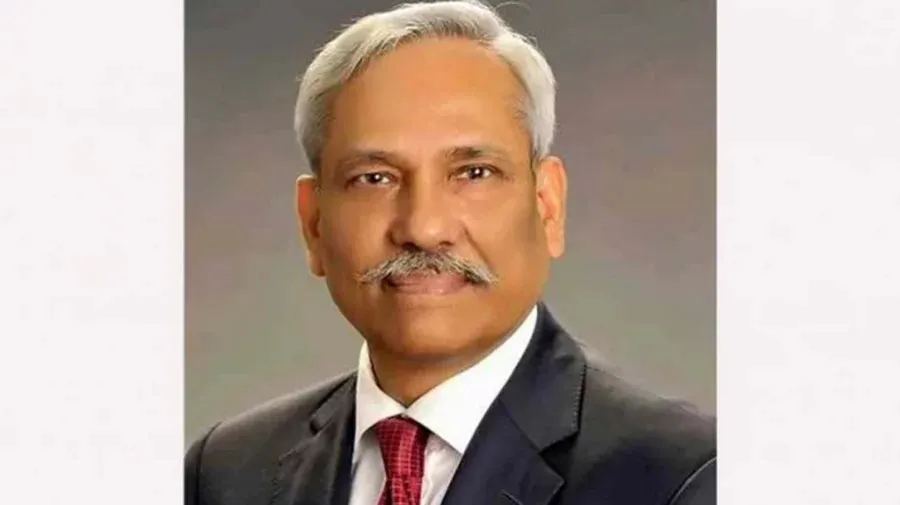
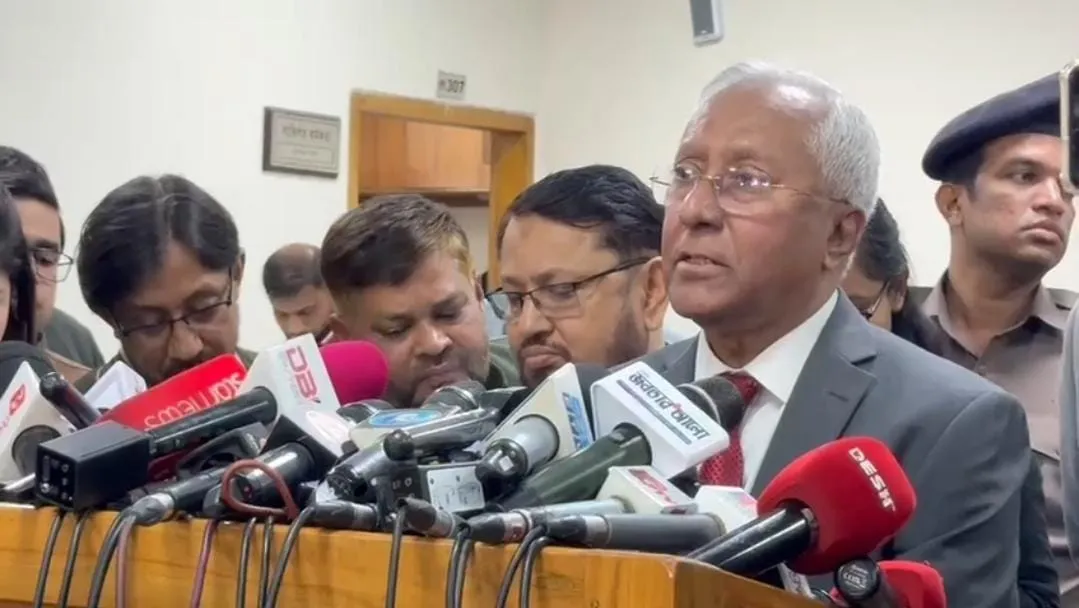
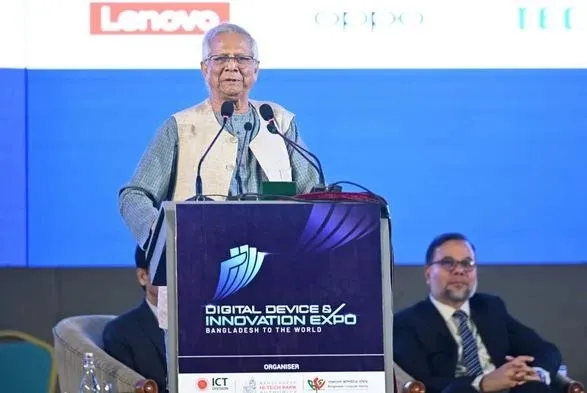
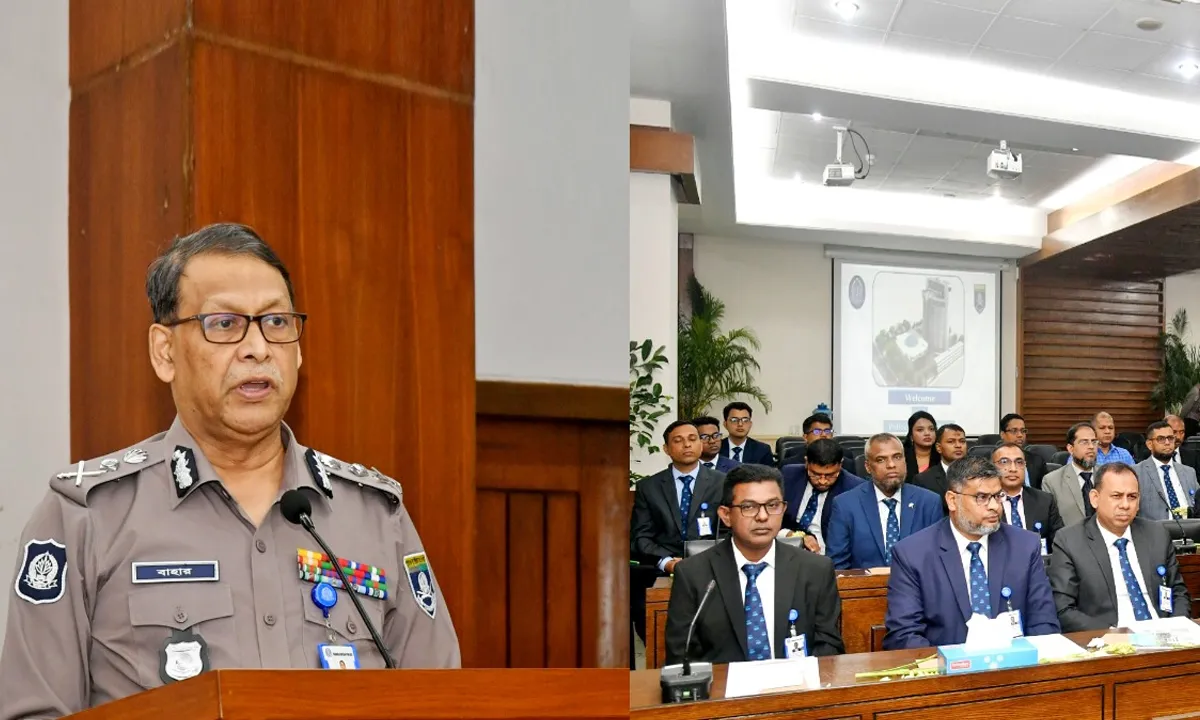
Key speakers included Afroza Khanam Nasrin, Senior Joint Convener of Barisal Metropolitan BNP; Dr Mahmuda Alam Mitu, Deputy Chief Organizer of the National Citizens Party (NCP); Zahir Uddin Muhammad Babar, Ameer of Barisal Metropolitan Jamaat; and K.M. Soriatullah, Assistant Publication Secretary of the Islami Andolon Central Committee. CGS President Zillur Rahman chaired the session.
In his address, Zillur Rahman highlighted the crucial role women have played in every democratic movement in Bangladesh from 1952 and 1971 to 1990 and 2024. “Women were at the forefront in each struggle, yet they were denied due recognition afterward,” he said, citing the 2024 uprising where three student leaders joined the interim government but none were women. He stressed the need for inclusive democracy, with women and youth working alongside elders to shape the nation’s future.
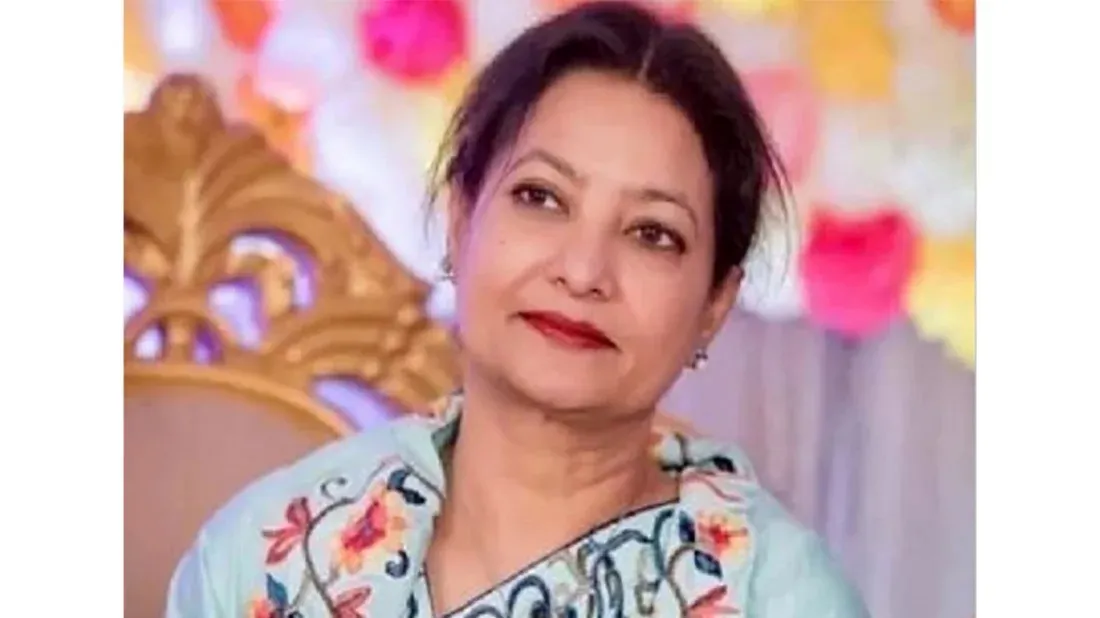
Afroza Khanam Nasrin pointed out that while the constitution requires political parties to ensure 33% female representation in their committees, no party has achieved the target. “Even in the BNP, we are at only 15%,” she said, calling for gender parity with 50% representation for women in the “new Bangladesh.”
Dr Mahmuda Alam Mitu said that political parties have long failed to provide adequate positions to women and youth. “It is time to fully include them in leadership and nation-building only then can we have a truly inclusive country,” she asserted.
K.M. Soriatullah noted that no country can progress without women’s participation “from family to state,” adding that Islamic parties also include women in leadership. He raised concerns about the lack of implementation of policies and incentives for women entrepreneurs.
Zahir Uddin Muhammad Babar said Jamaat-e-Islami ensures proportional representation of women in all its committees and has strengthened youth participation. He also called the state’s failure to ensure women’s safety a “collective failure,” adding that modesty is a responsibility for both men and women.
During the discussion, participants from political parties and educational institutions in Barisal echoed a common sentiment: women are often used as a protective shield during political movements, but excluded from real decision-making afterward. They urged political parties to meaningfully integrate both women and youth into leadership structures rather than limiting their inclusion to symbolic numbers.
About CGS
The Centre for Governance Studies is a Bangladesh-based think tank focusing on good governance, corruption, human rights, democracy, and development. It works to foster collaboration among academia, government, civil society, and development partners to strengthen governance, improve political participation, and promote sustainable economic growth.