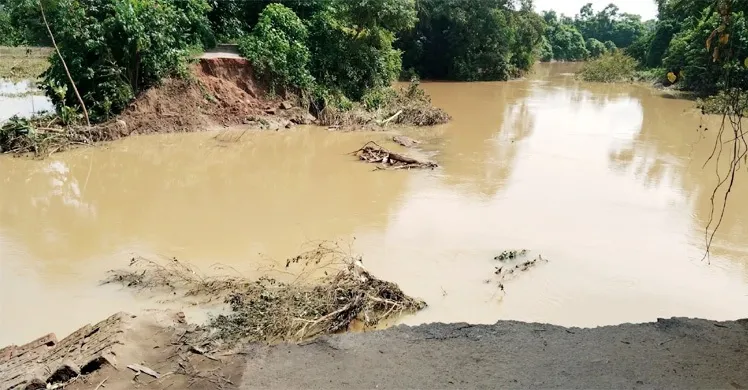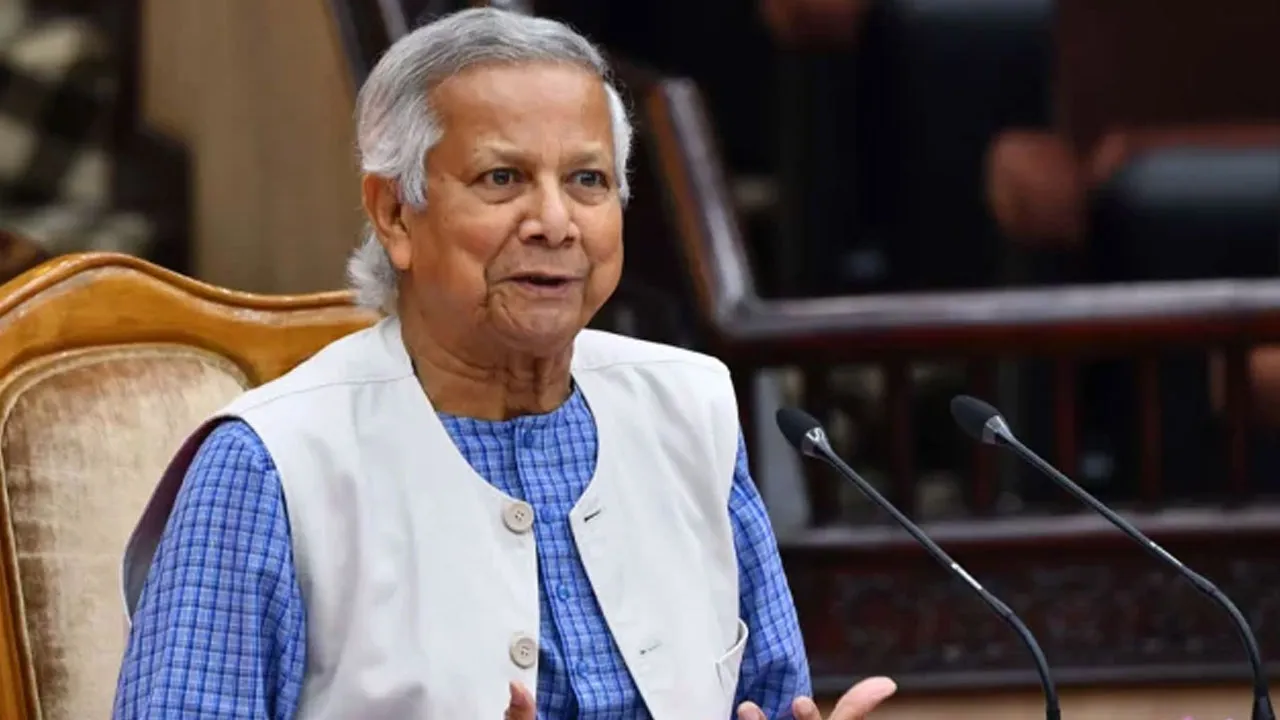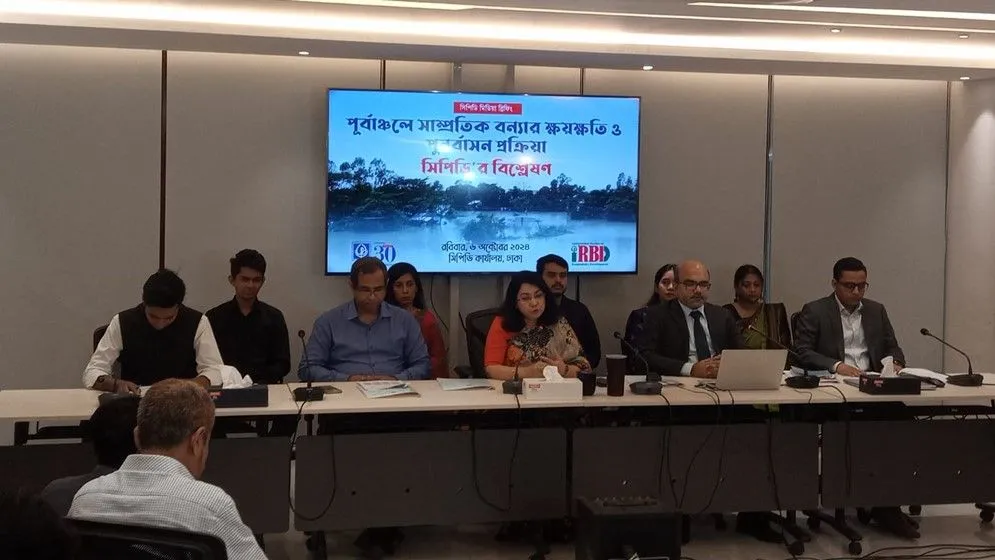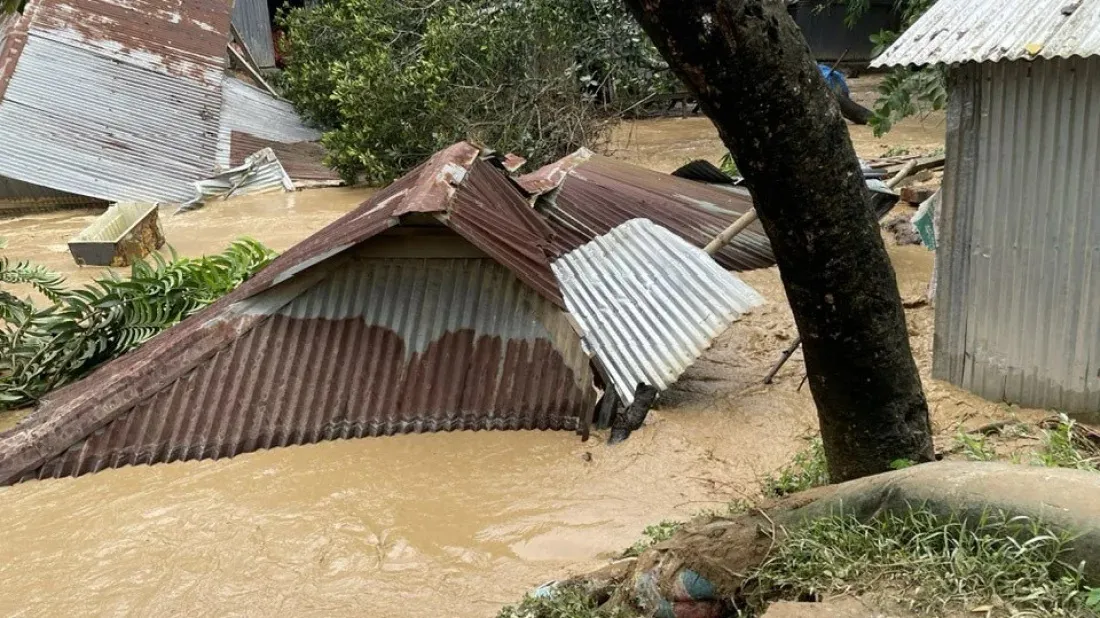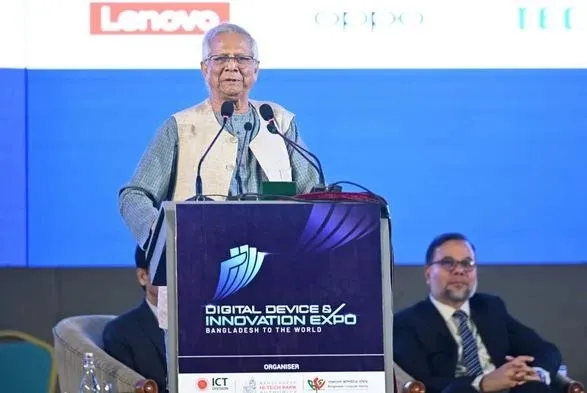

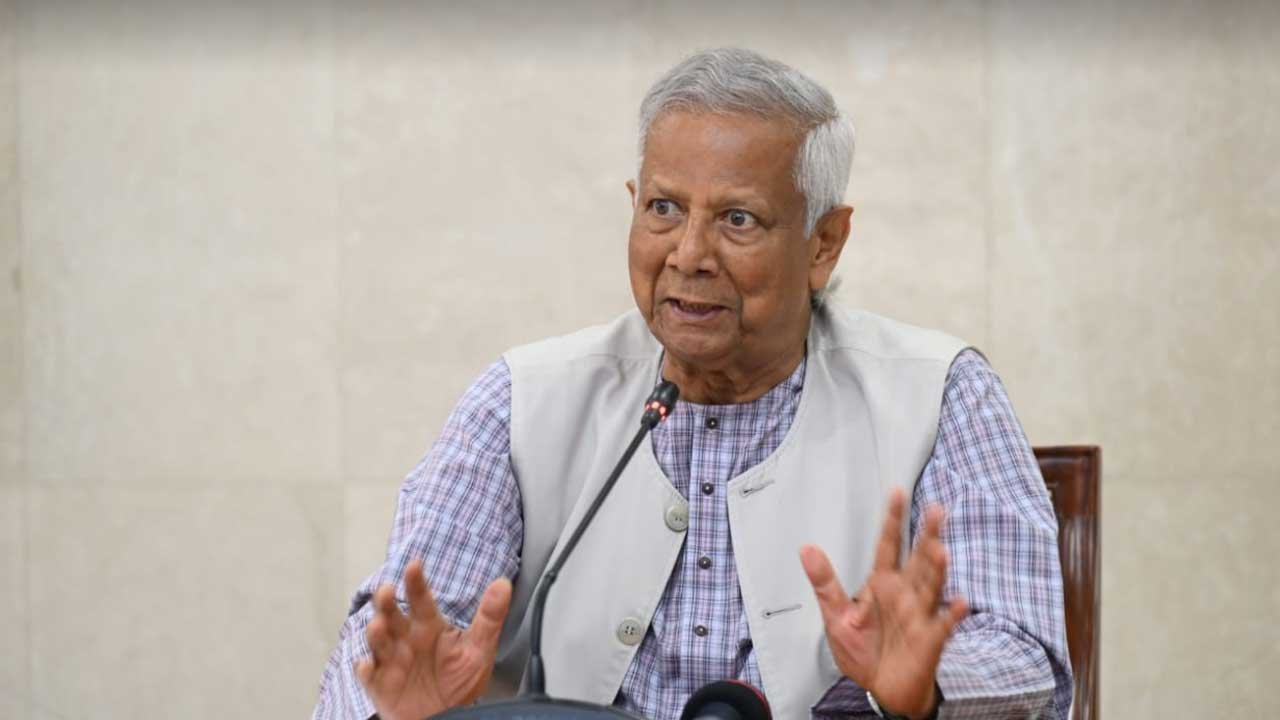
"When we assumed responsibility for the government, the floods began almost immediately. We couldn’t anticipate that flooding would occur in such areas. Unlike previous years, this flood hit completely different regions. We had no idea how severely it would impact people or we assumed it would pass quickly. But as days went by, it became clear that the situation was worsening," Yunus explained.
During the event, house keys were handed over virtually to victims from Chattogram, Feni, Noakhali, and Cumilla districts as part of a government-initiated rehabilitation effort.
Professor Yunus further added, "As the flood intensified, the entire nation mobilized for relief. Only after the water receded did we realize the full extent of the devastation. Many victims had nowhere to go. While there were suggestions to provide cash aid, I was firm against it, as distributing money often leads to mismanagement and doesn’t reach the intended recipients."
He continued, "Then came the proposal to use the Ashrayan Project, which I had heard of but wasn’t fully familiar with. Once I learned that the army would oversee its implementation, I felt relieved, knowing the funds would be used responsibly."
Yunus praised the project’s success, saying, "It’s satisfying to see that the funds were used effectively. The houses were well-constructed, and in fact, the project was completed at half the usual cost. That’s a rare and encouraging outcome typically, projects demand double the allocated budget."
The Chief Advisor emphasized the importance of transparency and quality, noting that both were achieved in this initiative to support flood victims with secure housing.