
Spinach
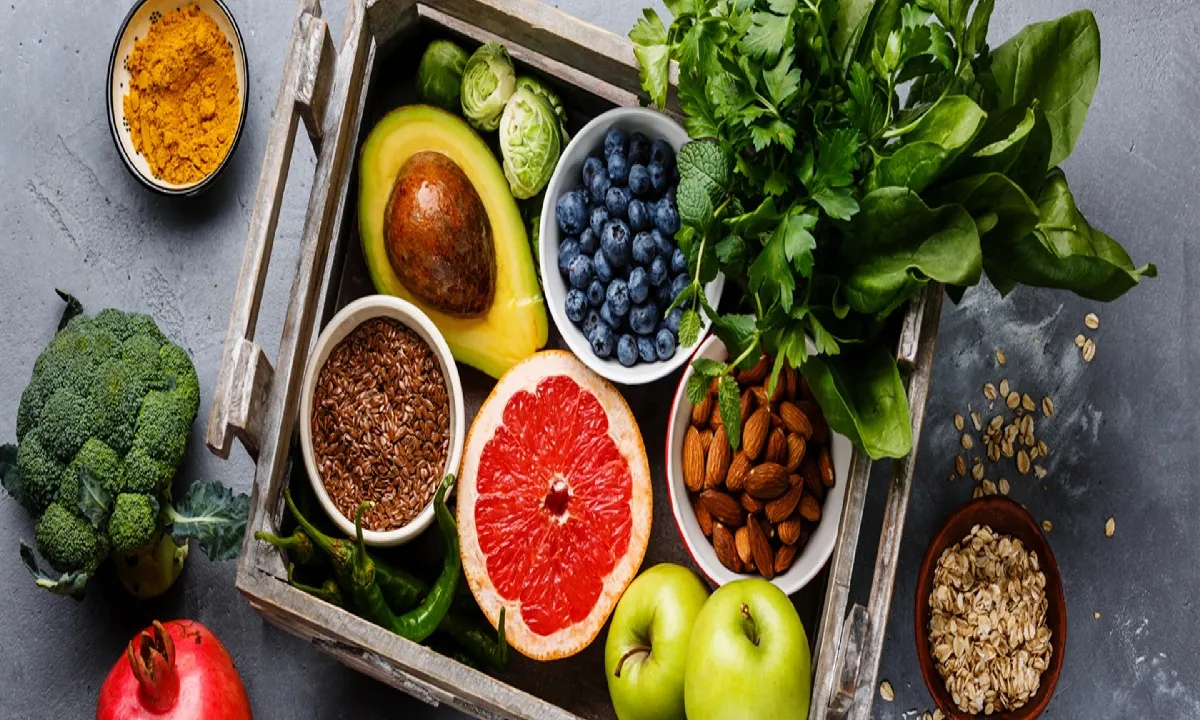
Spinach is diabetes-friendly, being incredibly low in carbohydrates. There is only one gram of carbohydrates per cup of raw leaves. It is packed with fiber, magnesium, and potassium. These three nutrients play a great role in blood sugar control. Spinach contains alpha-lipoic acid, which works to control blood sugar. A study in the journal Fathom found that nitrates, a key compound found in spinach, have a positive effect on insulin sensitivity.
Broccoli
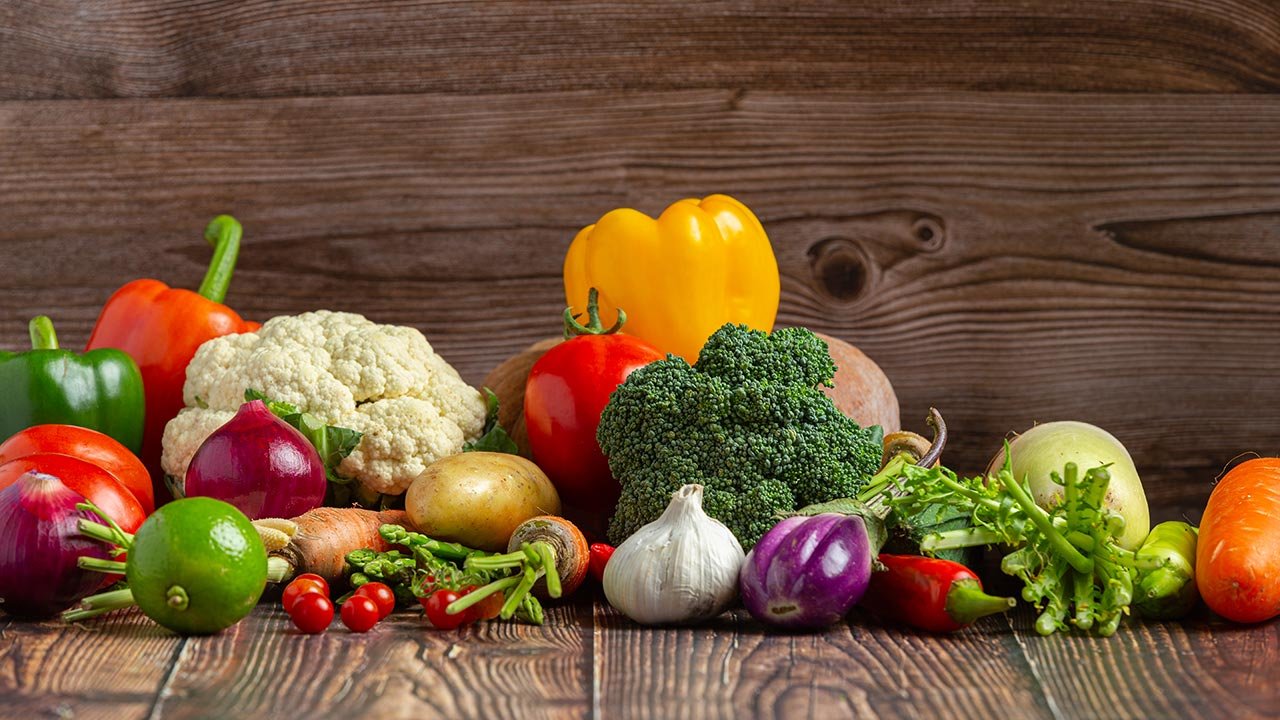
Broccoli is another popular vegetable for diabetes management. It is rich in fiber and antioxidants. This vegetable contains a compound called sulforaphane, which works to reduce inflammation and improve blood sugar control in people with type 2 diabetes. Just one cup of cooked broccoli provides more than 5 grams of fiber and plenty of vitamins C and K. According to a study published in Science Direct, broccoli and sulforaphane are able to reduce hyperglycemia, hyperlipidemia, insulin resistance, and diabetes-induced oxidative stress.
Cauliflower
Cauliflower is rich in vitamin C and folate. Like broccoli, it contains compounds that can help reduce oxidative stress and inflammation. These affect blood sugar balance. Cauliflower is rich in fiber and essential nutrients. It is a cruciferous vegetable. One study found that this type of vegetable acts as a good source of natural antioxidants and may have anti-diabetic effects.
Beans
Beans can play a very powerful role in controlling blood sugar. They are known to be low in carbohydrates and calories. Beans contain a minimal and appropriate amount of fiber and vitamin A. They do not increase blood sugar levels. So, even if you have diabetes, you can eat them without any hesitation. A study published in Research Gate has shown that beans help control type 2 diabetes through fiber and enzyme inhibition.
Bell paper
Colorful bell peppers are also a diabetes-friendly vegetable. They are particularly low in calories and carbohydrates compared to starchy vegetables. Bell peppers are high in vitamin C, which helps reduce blood sugar spikes. Bell peppers also contain antioxidants like beta-carotene and flavonoids, which help fight inflammation and protect cells. A study on bell peppers published in the National Institutes of Health found that its ethanol extract has shown anti-diabetic effects, balancing the body's levels.