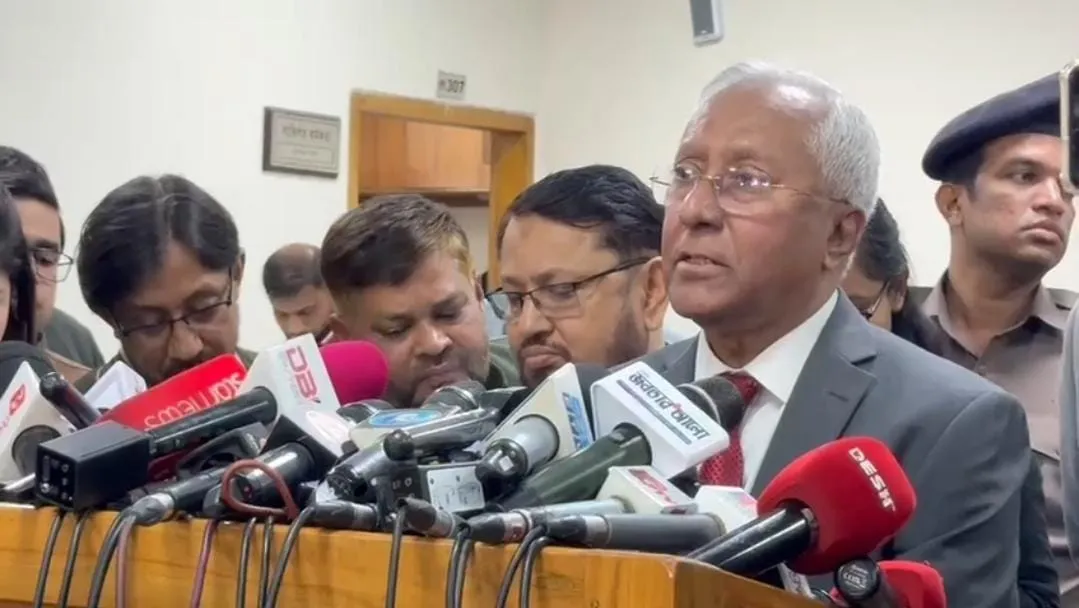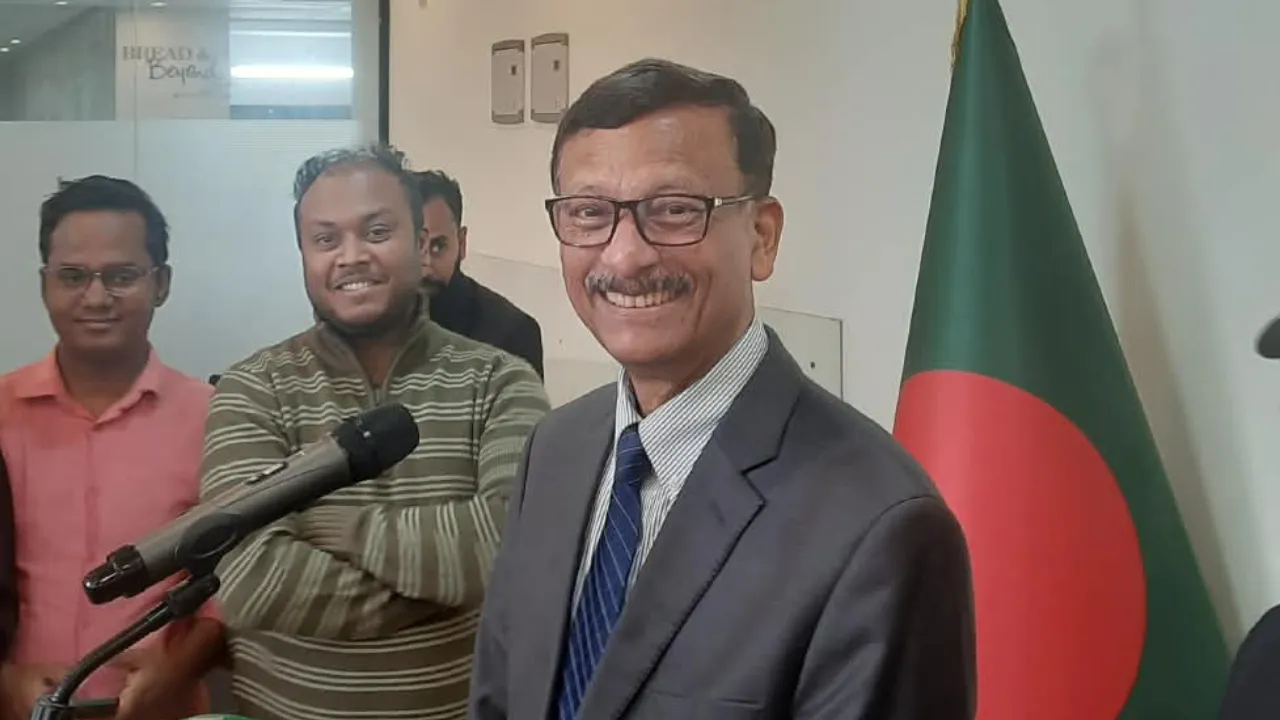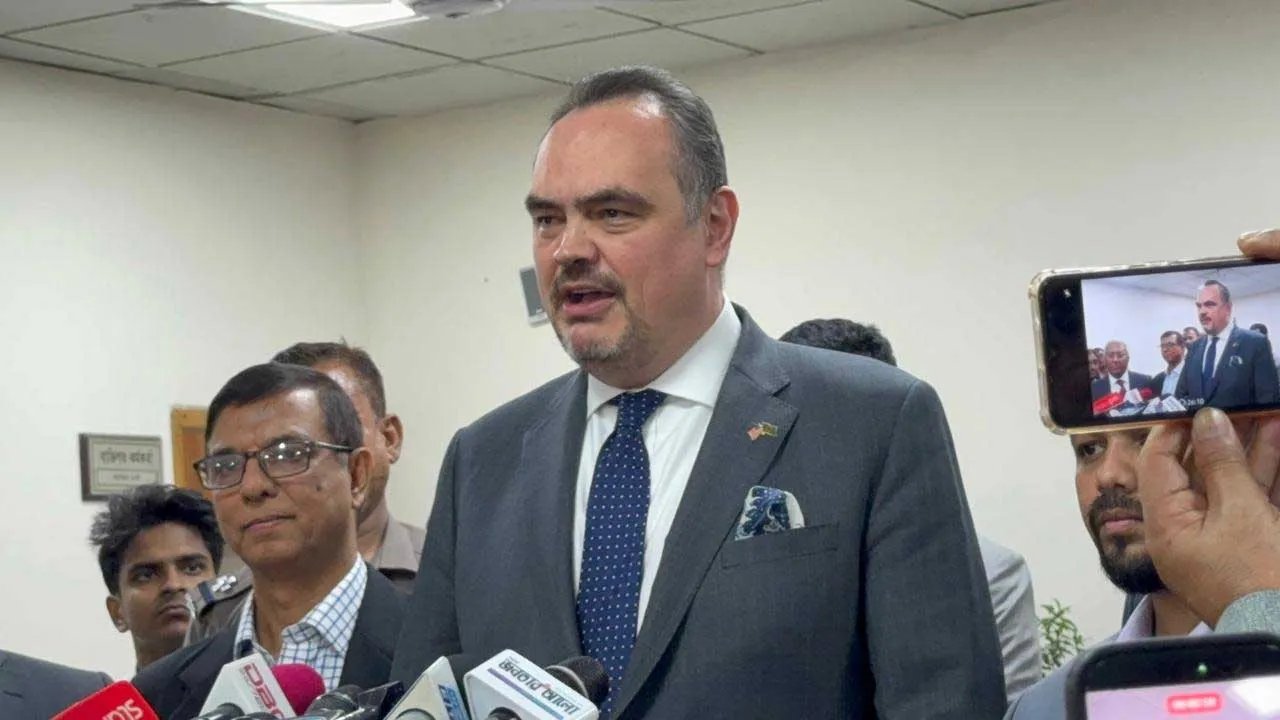

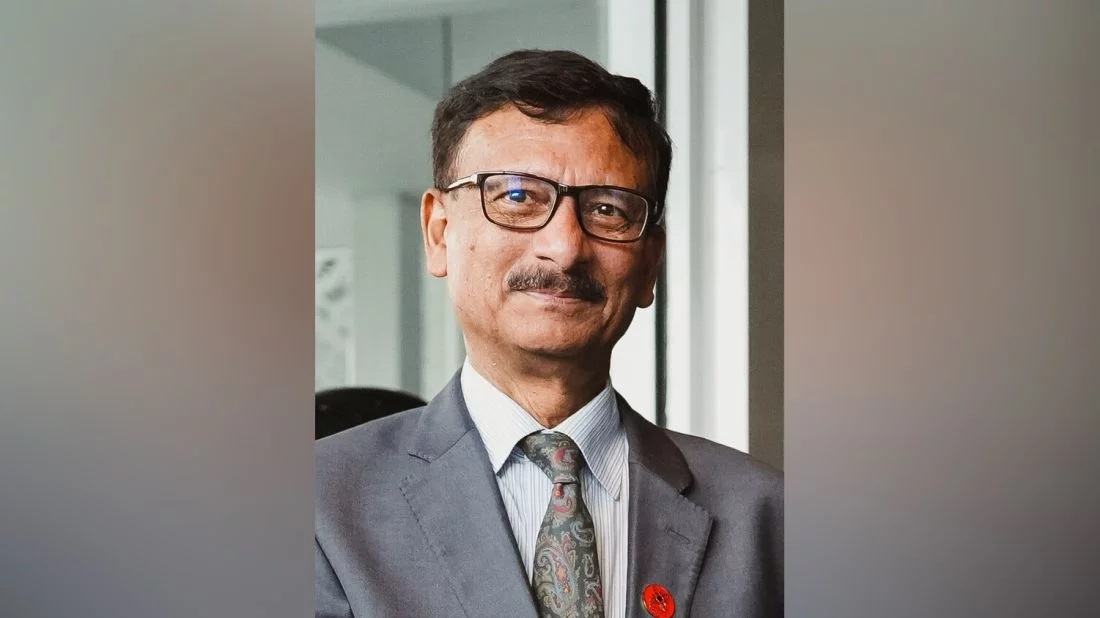
Bangladesh needs to "maintain a kind of balance" in pursuing its foreign relations with major powers like India, China, and the United States, given its position as a smaller player in the global arena, Foreign Affairs Adviser Md Touhid Hossain said today.
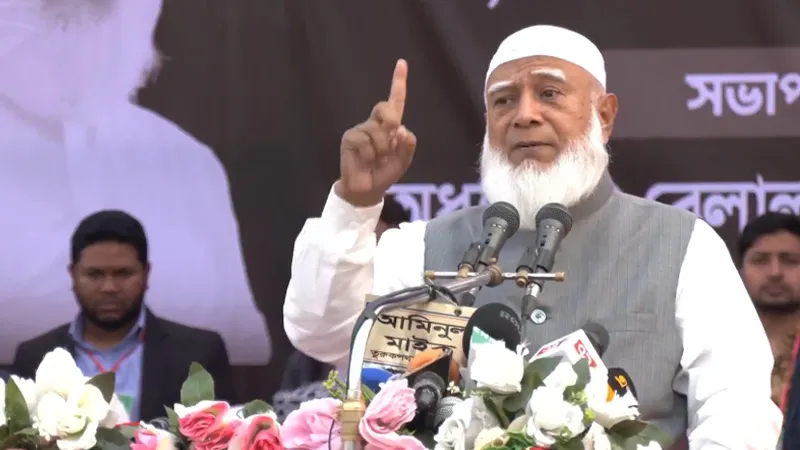
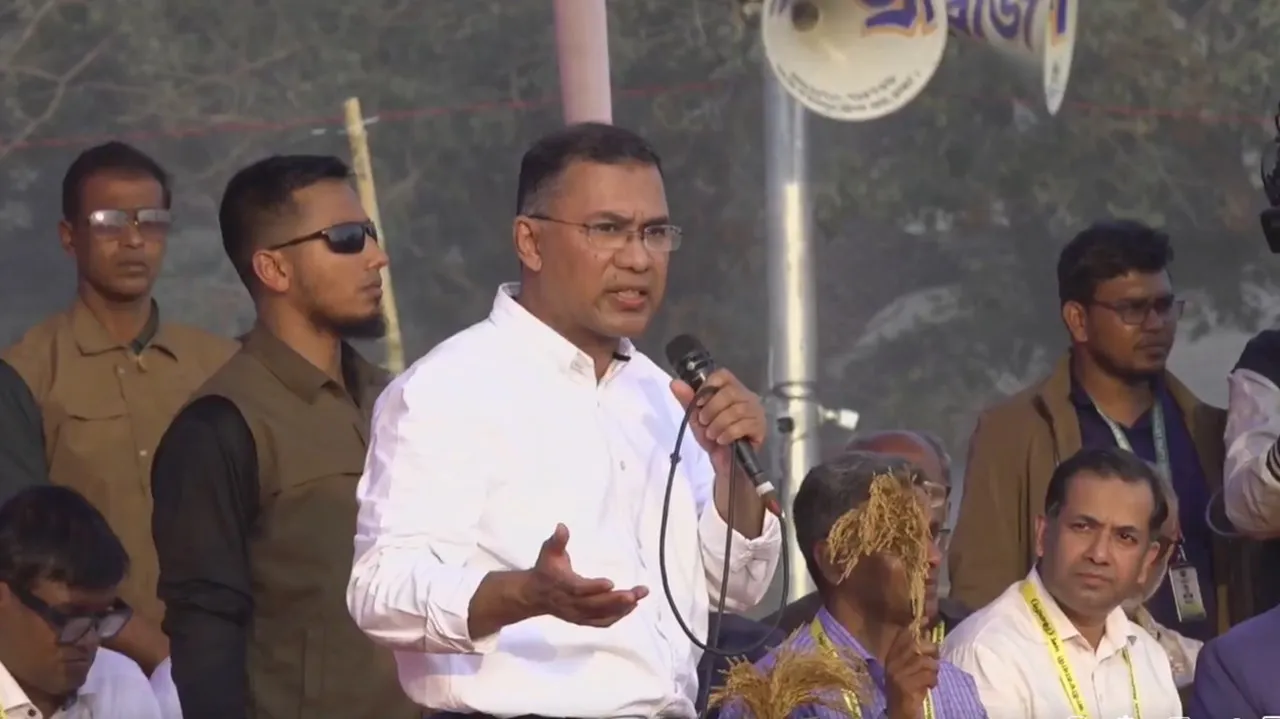
"Bangladesh has an interest in every country. It's an important issue that we need to keep in mind," he remarked while speaking at a national dialogue organised by the Forum for Bangladesh Studies at the Krishibid Institute Bangladesh.
Touhid highlighted the trade relations between India and China despite their conflict, as well as India's cordial ties with the United States, stressing the importance for Bangladesh to maintain good relations with all three nations.
Addressing the dialogue theme -- Unity, Reforms, and Elections -- Touhid emphasised unity as the most critical factor for Bangladesh's progress. He noted that unity among the people played a pivotal role in achieving independence in 1971.
Apparently referring to the 1971 war criminals, Touhid said there is a lack of unity in some areas but observed that the people of the country "by and large" remained united during the War of Liberation.
He also said the July-August student movement, during which the people united with the students, creating an opportunity for a freer environment in the country.
Touhid stressed the responsibility of political parties in fostering democracy and urged citizens to monitor and take action if the parties deviate from their core values. "If a democratic society can be established, mass people's interests will get priority," he said.
The adviser also addressed the Rohingya crisis, lauding the government's efforts to manage the situation effectively.
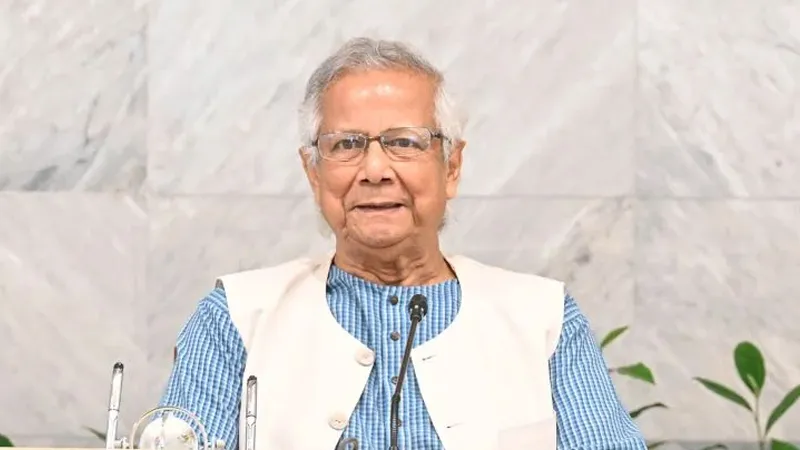
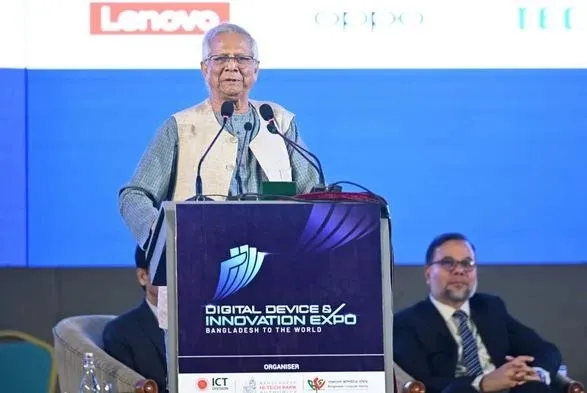
At the inaugural session on Friday, Chief Adviser Prof Muhammad Yunus underlined the interdependence of unity, reforms, and elections in driving Bangladesh's progress. "Neither reforms without unity nor elections without reforms can propel the country forward," he said, highlighting the need for consensus among all stakeholders.
In a recorded speech at the session, Yunus thanked the Forum for Bangladesh Studies (FBS) for prioritising unity, reforms, and elections in the dialogue. He called for a consensus on reforms to move the country forward.
The chief adviser also proposed reducing the voting age to 17 years, stating, "Young people are interested in the future of the country. To get their opinion about their own future, I think the voting age should be fixed at 17 years."