
Time Digital Report: Chinese Ambassador to Bangladesh Yao Wen has said his country supports Bangladesh's stance on rejecting foreign interference in its internal affairs.
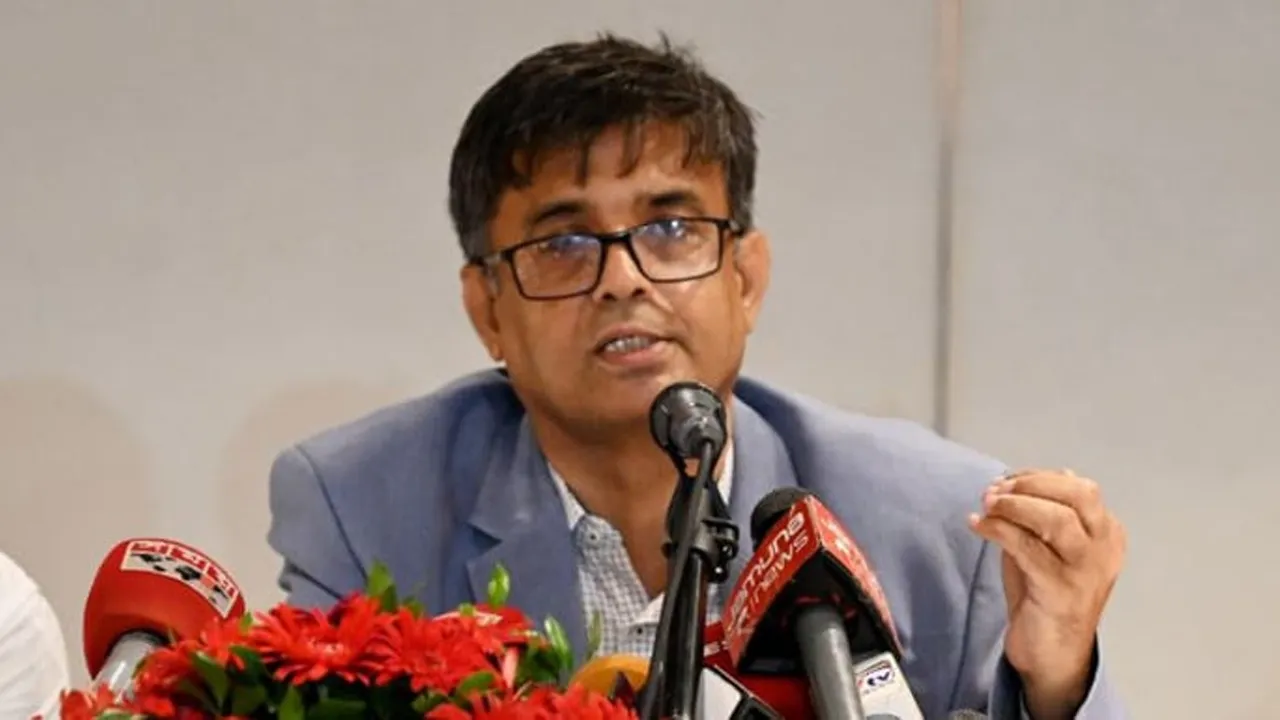
The envoy was speaking at a reception, accorded to him by Bangladesh-China Silk Road Forum, at a city hotel yesterday.
Yao Wen said, "China has always maintained a consistent policy towards Bangladesh. China has always been a reliable strategic partner of Bangladesh."
He said that the two countries have common interests in achieving the development goals and that China has a scope to play more roles in Bangladesh's development.
"We can extend cooperation with Bangladesh to achieve its roadmap of 2041 and Smart Bangladesh. The two countries can flourish together," he added.
Awami League advisory council member Amir Hossain Amu, BNP standing committee member Abdul Moyeen Khan and Communist Party General Secretary Shah Alam attended the event.
Yao Wen said that the presence of the three leaders from three different political parties has proved that even though the politicians have differences on internal issues, they have no differences regarding Bangladesh's relations with China.
"They support this relationship. China believes in relations with all political parties and the people of Bangladesh."
Dilip Barua, chairman of the forum, delivered the welcome speech at the programme.
Addressing another event in the evening yesterday, the Chinese envoy said his country is expecting the repatriation of the first batch of Rohingyas would take place soon.
He, however, didn't mention any date for the repatriation.
Yao Wen was speaking at the Spring Dialogue with journalists at the Chinese embassy in the capital yesterday.
Bangladesh foreign ministry officials said a group of 1,000 Rohingyas may be repatriated before the start of the monsoon in June.
The Chinese ambassador said it is very unfortunate that the repatriation of Rohingyas from Bangladesh could not be started despite China initiating a tripartite arrangement between Bangladesh and Myanmar.
However, the Covid-19 pandemic and the takeover of power by the military in Myanmar were some of the factors that slowed the process, he added.
"We will never give up on helping solve the Rohingya crisis."