
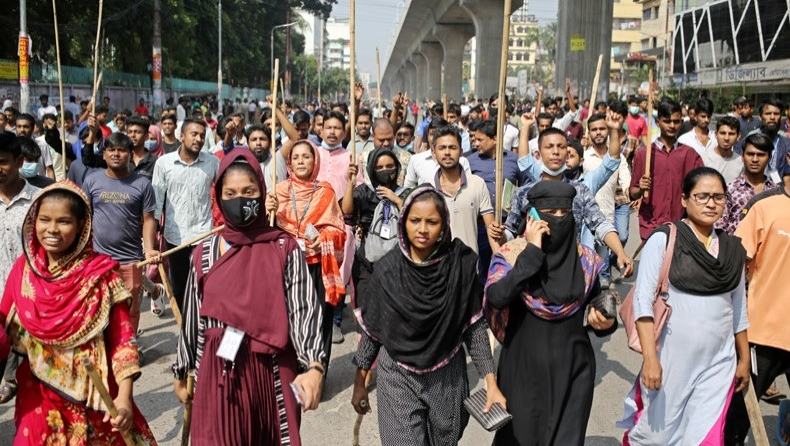
Gazi Anowar: At least 300 factories in Bangladesh's Savar, Gazipur and Mirpur on Wednesday remained shut to avoid any untoward incidents as the workers were continuing demonstrations for a minimum wage of Tk 23,000.
The country’s RMG factory workers started demonstrations on October 22 in the capital’s Mirpur, Gazipur, and Savar, rejecting the proposal of the owners’ representative to the minimum wage board for Tk 10,400 as the new minimum wage.
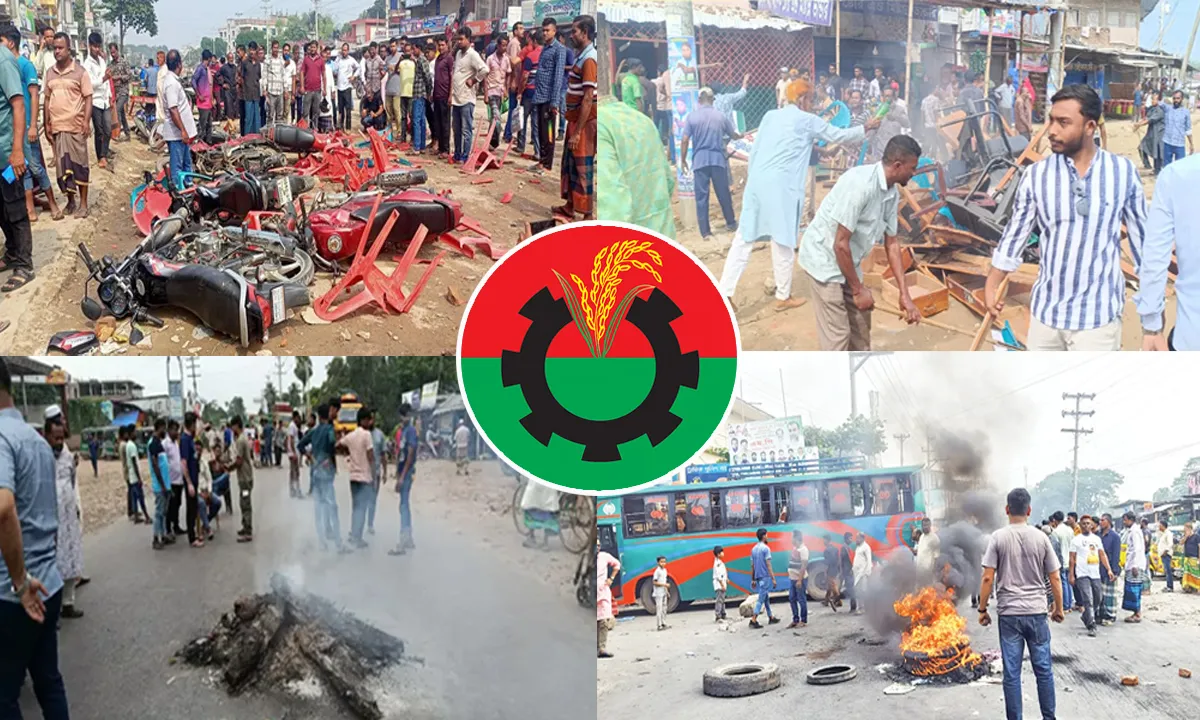
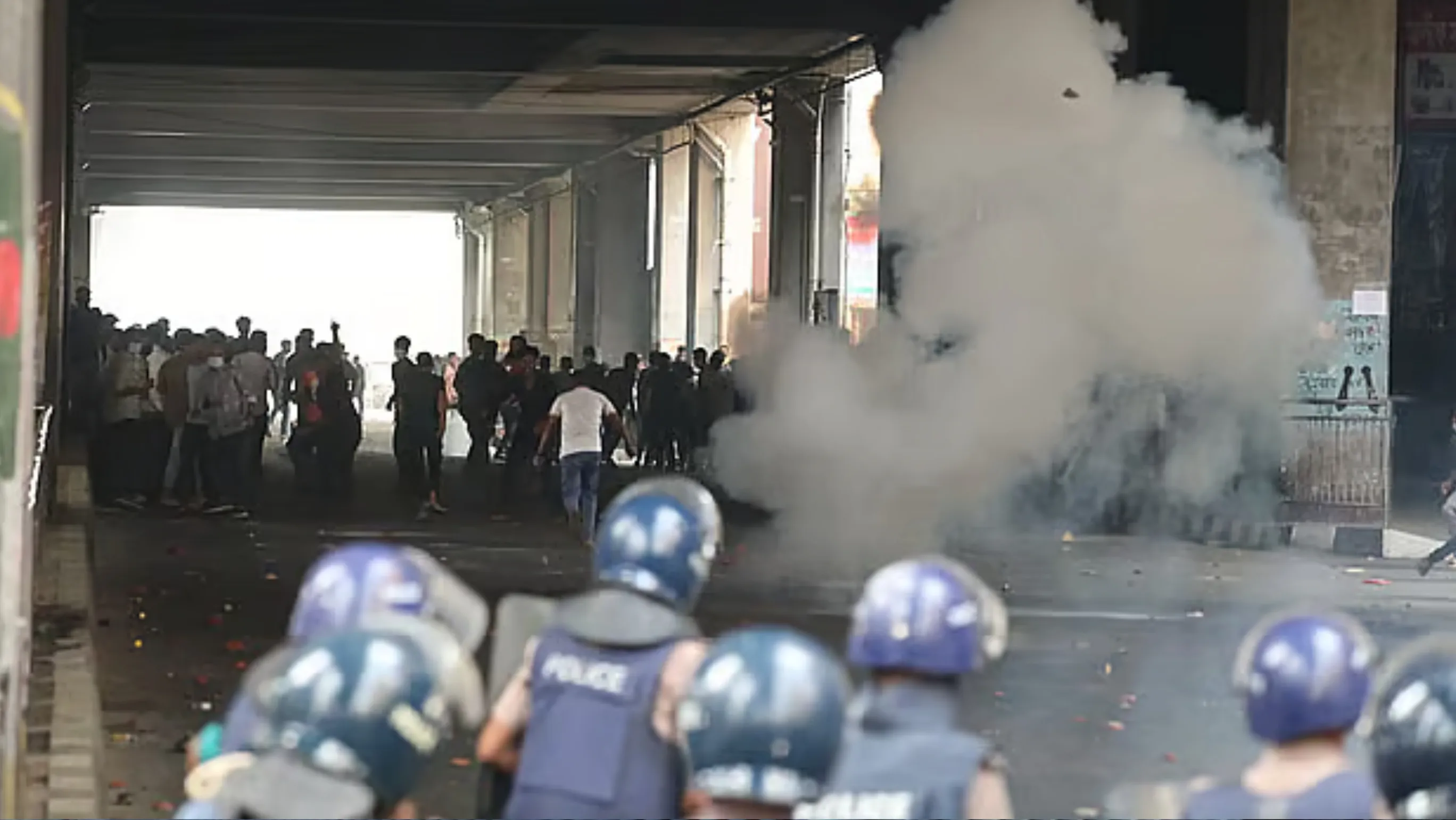
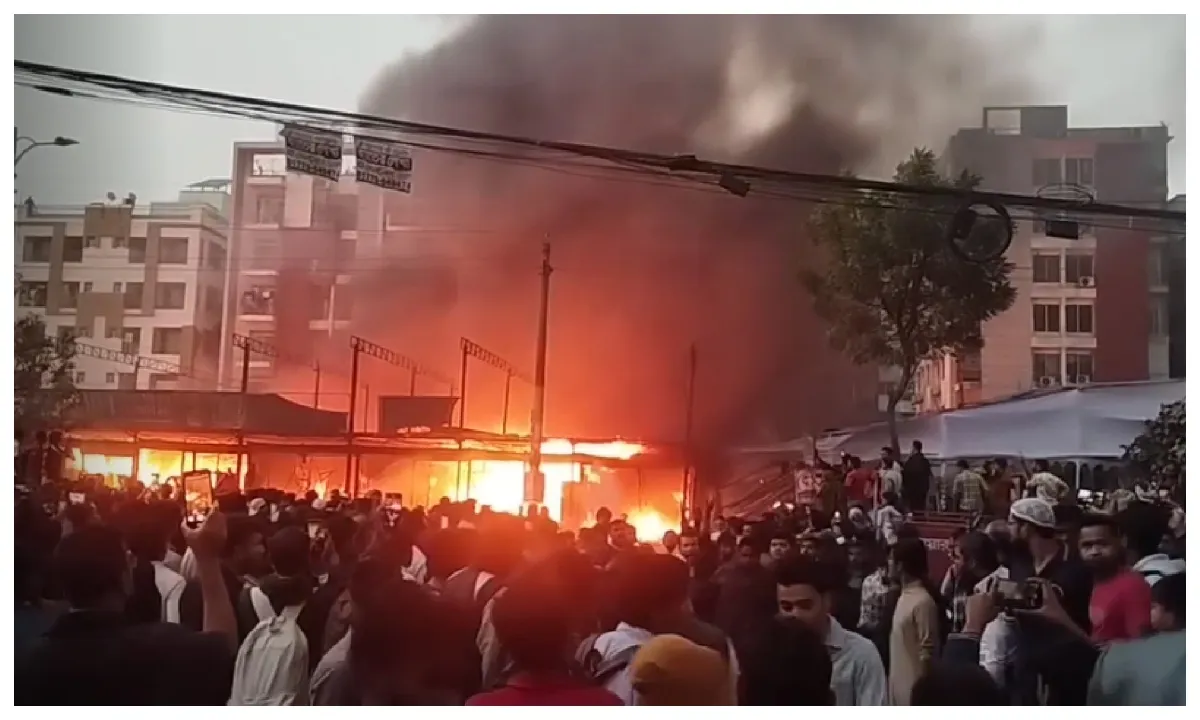
At least 20 apparel workers and four policemen were injured in sporadic clashes as police charged workers with batons and fired tear gas shells to disperse workers in Gazipur, witnesses said.
Amid the continued demo of workers, ready-made garment factory owners on Wednesday decided to shut down their units under Section 13/1 of the Labour Act in case of unrest.
Workers’ continued demonstrations in different industrial areas demanding Tk 23,000 as the minimum wage left two workers killed in Gazipur during a clash with police and miscreants on Monday.
Superintendent of Gazipur Industrial Police Sarwar Alam said that several hundred workers from different garment factories under Bason police station blocked roads on Wednesday before the police dispersed them.
Four policemen were injured in the resulting clash, he said.
He said that some 250 factories out of over 2000 units at Bason, Konabari, Kaliakair, and Kashimpur remained shut on Wednesday.
Additional security forces were deployed to avoid any untoward incidents in the area.
At least nine cases were filed against over 100 named and several thousand unnamed people in Gazipur following the unrest.
The agitated workers in the capital’s Mirpur took to the streets in the morning and suspended traffic movement at the Mirpur-10 crossing, demanding punishment for the people who carried out attacks on workers on Tuesday.
RMG workers said that 20 to 25 local goons connected with the ruling party’s politics attacked them.
The local Member of Parliament and state minister for industries, Kamal Ahmed Majumder, went to talk with workers around 12:15pm.
However, workers refused to pay any attention to his words.
Pallabi police station sub-inspector Mahfuzur Rahman said that almost all 10 garment units in the area remained shut and workers did not commit any violence.
Masuk Mia, additional deputy commissioner of Dhaka Metropolitan Police Mirpur Zone, said that many of the 235 garment factories were shut down in the area on Wednesday, and between 4,000 and 5,000 workers demonstrated in the afternoon.
There was no incidence of extreme violence, he said.
In Savar, the workers went out of their houses for factories, but they returned home as most factories had not started operation.
Industrial police sub-inspector Md Mohiuddin said that workers at some spots tried to gather, but police managed to return them back home without using any force.
Workers said that without a standard minimum wage, which they mentioned is Tk 23,000, they would not go back home.
They said that prices of all essential commodities have increased manifold, but there has been no wage hike in the past five years.
Amid the labour unrest, garment factory owners on Wednesday decided that they would shut their factories under Section 13/1 of the Labour Act in case of unrest.
The Bangladesh Garment Manufacturers and Exporters Association made the decision at a meeting with its general members at its headquarters in Uttara.
BGMEA president Faruque Hassan said that if any factory experienced labour unrest and vandalism, they would not backtrack from implementing Section 13/1 of the Labour Act.
According to Section 13(1), an employer may, in the event of an illegal strike in any section or department of any establishment, close down either wholly or partly such section or establishment.
During such closure, the workers who participated in the strike shall not be paid any wages, the provision further reads.
The BGMEA president demanded the arrest of those who were involved in the unrest in the RMG sector.
Former BGMEA president Shafiul Islam Mohiuddin blamed local and international conspiracies behind the labour unrest in the RMG sector ahead of the national election in Bangladesh.
He said that the state minister for labour failed to play her due role in preventing labour unrest and should resign.
Trade union leaders have criticised RMG owners for making the threat of factory closure.
At Wednesday’s meeting, BGMEA leaders said that they would implement the minimum wage to be set by the government.
In the fifth meeting of the minimum wage board, also held on Wednesday, factory owners’ representative Siddiqur Rahman said that he would make an upward revision of the previously proposed minimum wage amount at the next meeting to be held in the second week of November.
‘We will make a significant increase in the amount proposed at the last meeting,’ he told reporters following the meeting.
The minimum wage board chairman, Liaquet Ali Molla, said the minimum wage for RMG workers would be finalised by November.
Clean Clothes Campaign, a global labour rights platform, condemned the violent repression of garment workers demanding a wage increase to Tk 23,000 on Wednesday and called on the government of Bangladesh to immediately ensure that workers’ right to protest was respected.
The country’s export-oriented apparel industry, which has around 4,000 factories and employs around 40 lakh workers, earns annually $47 billion, about 85 per cent of the total $55 billion in exports.