

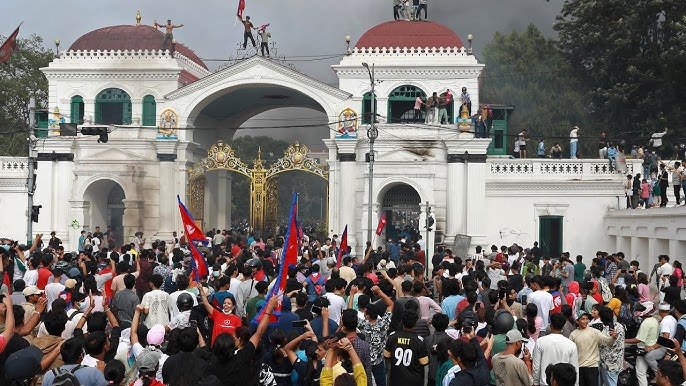
The triggers vary from social media bans in Nepal to lavish government perks in Indonesia — but the underlying causes are strikingly similar: unemployment, corruption, inequality, and rising economic insecurity. Fuel shortages and inflation in some countries have only deepened the frustration.
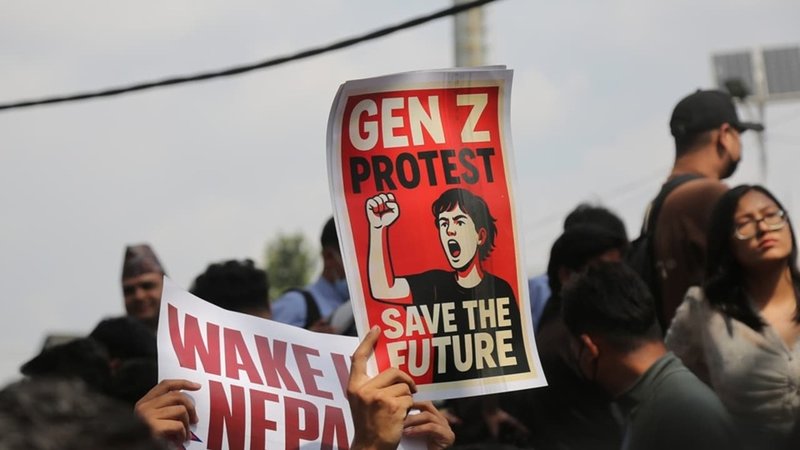
Born between 1997 and 2012, Gen Z now makes up nearly half of the populations of Nepal and Indonesia. With their trust in traditional political structures broken, many young protesters say they want to take responsibility for their countries’ future. “Young people are being forced into precarious employment, even educated young people. They are angry because they feel their future is not secure,” said Vedi Hadij, professor at the Asia Institute, University of Melbourne.
The numbers support this anger. According to the World Bank, youth unemployment stood at 14 percent in Indonesia last year and 20 percent in Nepal. Many Nepali youth migrate to India or the Middle East for low-paying labor jobs. Added to this economic anxiety, U.S. tariff policies — with 19 percent tariffs on Indonesia and 10 percent on Nepal — have intensified the burden.
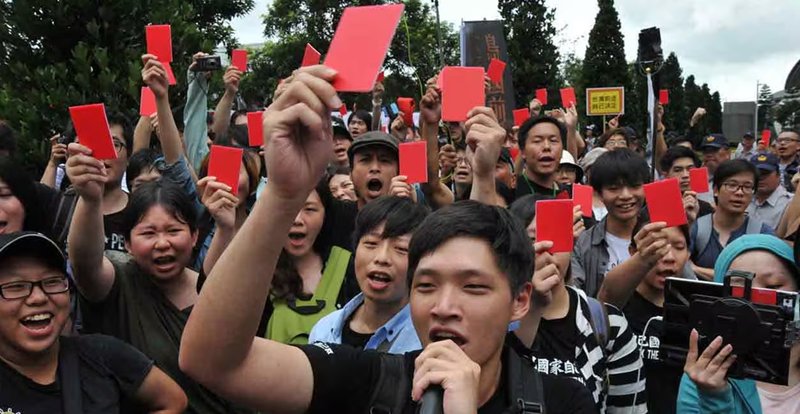
In Kathmandu, 28-year-old IT security analyst Sajjad Shrestha, who joined demonstrations, said: “Our goal is to bring transparency to the government and bid farewell to the old politicians who have done nothing. Then new leadership will come who will work for the people.”
Nepal’s capital also reflects the influence of youth leaders. Its 35-year-old mayor, Balendra Shah — a former rapper and active social media user — is an outspoken critic of corruption. Although he has not directly joined protests, he told his followers after Prime Minister KP Sharma Oli resigned: “Now your generation has to run the country! Be ready!”
The protests have come at a deadly cost. In Nepal, at least 72 people were killed after protesters set fire to government buildings and politicians’ residences. In Indonesia, 10 people died in five days of unrest.
In Nepal, the fallout led to a dramatic leadership change. Former Supreme Court Chief Justice Sushila Karki was sworn in as the country’s first female prime minister. Backed by student protesters, she has announced fresh elections for March.
Indonesia’s President Prabowo Subianto, facing mounting anger, withdrew controversial benefits for officials and dismissed five ministers, including those in finance and security. But his announcement of tough crackdowns only inflamed tensions further.
Public anger in Indonesia began with revelations that members of parliament would receive a $3,000 monthly housing allowance ten times Jakarta’s minimum wage. Protests exploded after a police armored vehicle killed 21-year-old delivery worker Afan Kurniawan while he was on duty. A video of the incident went viral, prompting outrage and Kurniawan’s name to become a rallying cry for justice. “After watching the video, even people who would normally remain silent have started expressing anger,” said Christina Partiwi, anthropology lecturer at the University of Indonesia.
Even private schools have issued statements backing the student-led protests.
Observers say Gen Z’s impatience and global outlook are shaping their politics. “Nepali youth see that in their country, progress is tied to family privilege, not merit. When they compare this with Singapore, Dubai, or Hong Kong on social media, they feel the system is broken,” said U.S.-based Nepali entrepreneur Pukar Hamal.
Much of the resentment in Nepal is aimed at the so-called “Nepo Kids” — children of influential politicians flaunting luxury lifestyles online.
“When young people see that social status is determined by birth, not hard work, it is natural for anger to grow,” Hamal added.
From Dhaka to Colombo, Kathmandu to Jakarta, the rise of Gen Z on the streets signals a regional wave of youth-led uprisings. What began with frustration over jobs and inequality has become a broader demand: dismantling outdated political systems and forcing leaders to answer to a new, restless generation.


