
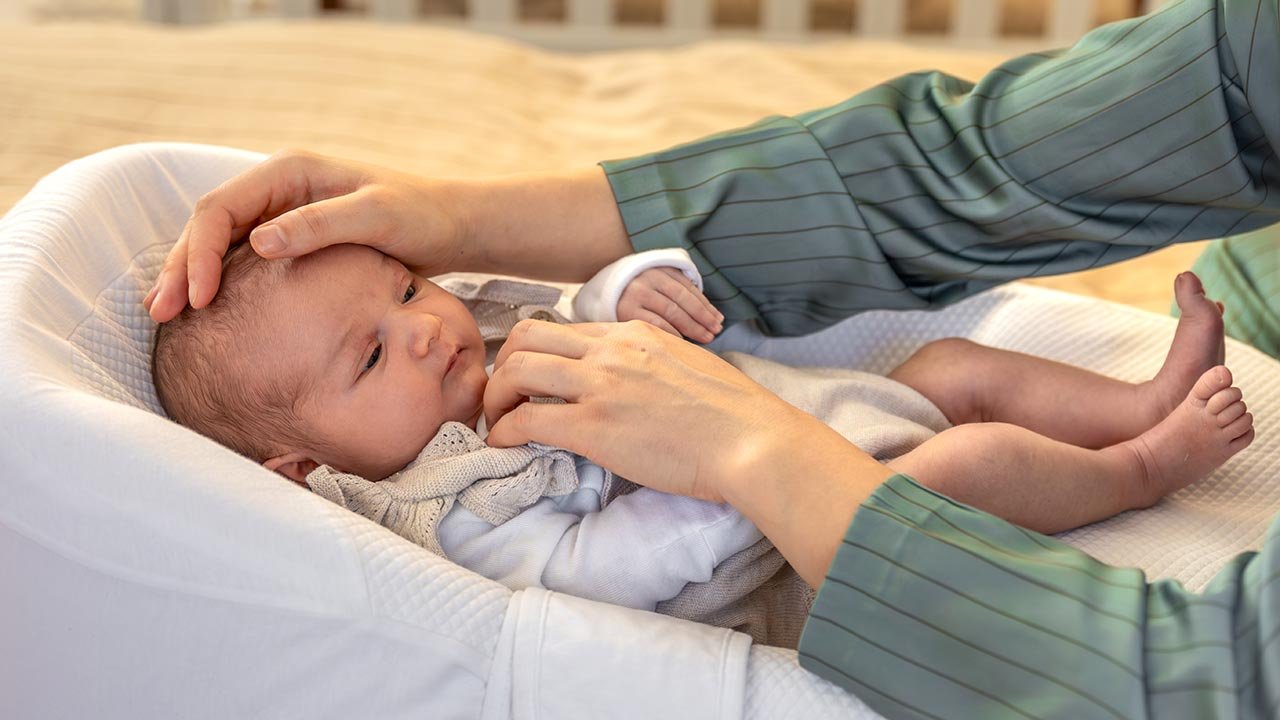
Infections in newborns are different from infections in older children. In the first 28 days of life, babies may not show typical symptoms such as a high fever or a severe cough. Instead, they may show changes in their feeding, breathing, and body temperature. These changes may seem subtle, but they are often indicative of infection.
How to detect infection in a newborn?
One of the early warning signs is a change in eating or behavior. If your newborn is sleeping too much, getting tired after a few feedings, or suddenly eating much less than usual, this could indicate an underlying infection.
Other signs of infection in a child
A child who was previously active but suddenly becomes unusually quiet, restless, or less responsive also needs treatment.
Continuous loud crying that cannot be soothed is another worrisome sign.
In newborns, not wanting to eat or a sudden change in behavior can be as important as a fever.
Body temperature is another important indicator. A fever of 38°C (100.4°F) or higher should be taken seriously.
However, a low temperature below 36°C (96.8°F) can be equally concerning. A low body temperature will make the baby feel cold to the touch, especially in the hands and feet. Both high and low temperatures in newborns require prompt treatment, even if there are no other symptoms.