

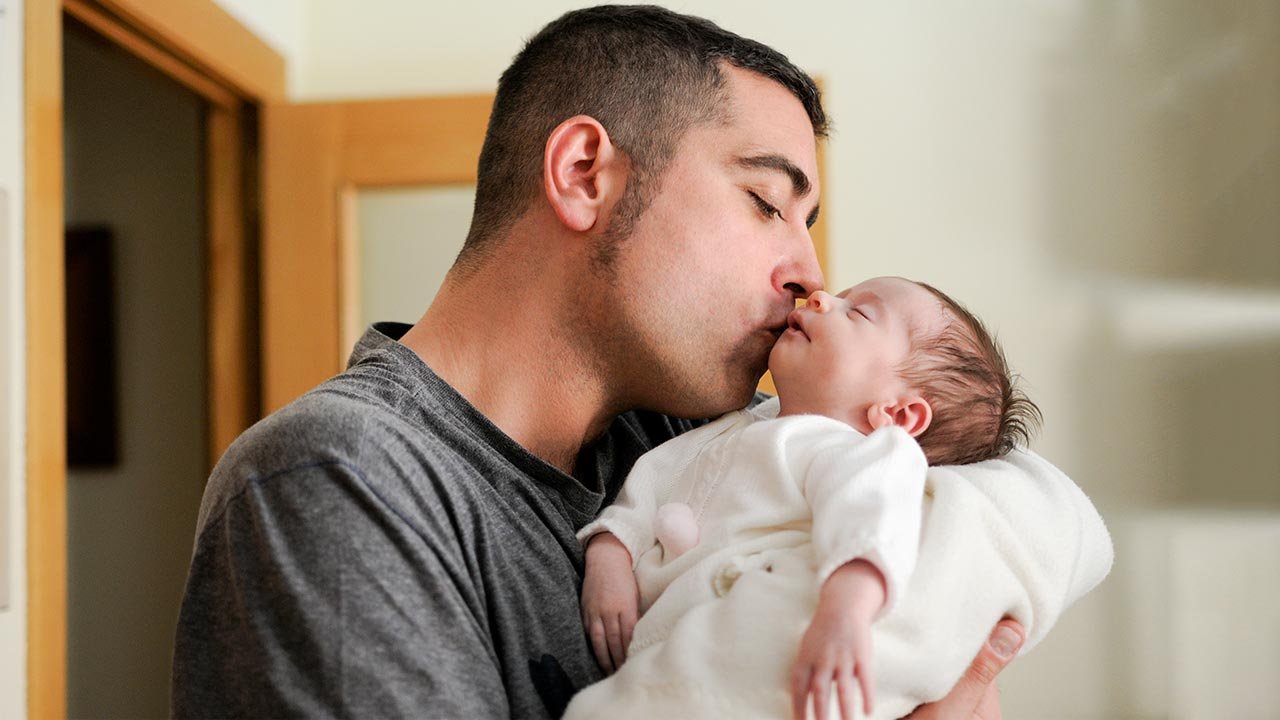
Newborns' immune systems and why they are weak
Newborns are born with an immune system that is still developing. This is different from adults. Their bodies lack mature infection-fighting cells, which means they cannot effectively defend themselves against harmful pathogens. This leaves them exposed to viruses and bacteria that are otherwise harmless to healthy adults.
The NHS notes that the herpes simplex virus can be transmitted to a child if someone with a cold sore kisses them. A review article published in the South Sudan Medical Journal examined the different pathogens that can be transmitted to children through close contact, including kissing.
The first few weeks after birth are especially important. During this period, babies build up their natural defenses. Even minor infections can overwhelm their bodies, leading to serious complications. Diseases such as pneumonia, sepsis, or meningitis can develop rapidly in newborns, sometimes within a few hours. This is why medical experts emphasize that extra caution should be taken when showing affection to very young children.
Viral and bacterial infections that can harm the newborn
One of the biggest dangers for newborns is exposure to the herpes simplex virus. This virus causes common problems in adults. However, it can be devastating when it infects a newborn. The virus can spread to the baby's eyes, mouth, or skin, and can cause serious complications if it enters the bloodstream or various organs. Babies under four weeks of age are at greatest risk, making it extremely important to avoid contact with anyone who has a cold or cough.
Bacterial infections are also a serious threat. Group B Streptococcus (GBS) is a common bacteria that is harmlessly carried by many adults. It can be life-threatening for children, causing sepsis or meningitis. Similarly, E. coli, which is relatively mild for adults, can cause serious illness in newborns because of their weakened immune systems. These infections can occur quickly, leaving little time for treatment unless preventive measures are taken.
Safe ways to express affection to a child
While parents and family members naturally want to hug and kiss their newborns, precautions are essential. There are some safer alternatives that do not pose a health risk to the baby. One of the easiest and most effective precautions is to wash your hands thoroughly before touching your baby. This reduces the chance of transmitting harmful bacteria or viruses.
Avoid kissing the baby's face or hands, as these areas are most vulnerable to infection. If you want to show physical affection, kissing the back of the head or the baby's feet is a safer option. People who are sick - cold, flu, etc. - should avoid contact with the baby altogether. Even mild symptoms in adults can cause serious illness in children.


